Grammer vs. Vocab JLPT level

I know that there is no definitive list of which grammer & vocab fits in each of the JLPT categories. But I was still wondering why on Bunpro I often see a grammer point at a certain JLPT level, but the matching vocab in a different JLPT level. Is there a specific reason for this from a learning perspective?

For example, the latest one I encountered was:
N3 Grammer: 滅多に
vs.
N4 Vocab: 滅多に

I would think it makes more sense for these to be taught in tandem with each other, right? Since these are basically the same thing.

4 Likes

There’s no particular reason from a learning perspective. It’s just something not controlled for when vocab was added AFAIK. They’re reworking the vocab lists these days.

For now just grit your teeth and if a vocab looks useful, add it, and skip vocab if it doesn’t look useful.

2 Likes

Yeah it’s not really causing me any issues personally, I just add the vocab entry as well while learning the grammer entry no matter what JLPT level is tagged on.

Just thought it was a bit weird, lol. Makes more sense to me if they were both tagged as the same JLPT level.

2 Likes

The sorting order is somewhat helpful here. I think if you sort by Netflix, the last 10% or so of vocab in the deck can be skipped in N3+ decks. Maybe? Maybe not?

I attempted to at least split out the new kanji vocab for Wanikani users in this deck Ebikani, Beyond Warakani | Bunpro to help with pacing out what I’d consider to be more difficult (because it’s Kanji without WK’s scaffolding) if you’re following that program.

2 Likes

Hi there, and thanks for voicing your concerns!

Actually we have had this kind of thread posted a couple of times recently, so I thought I would address it here. When the vocab lists were first made (specifically the N-level ones, not the A-lists), we compiled several of the most common and reliable textbooks available, in addition to vocab lists that were available online.

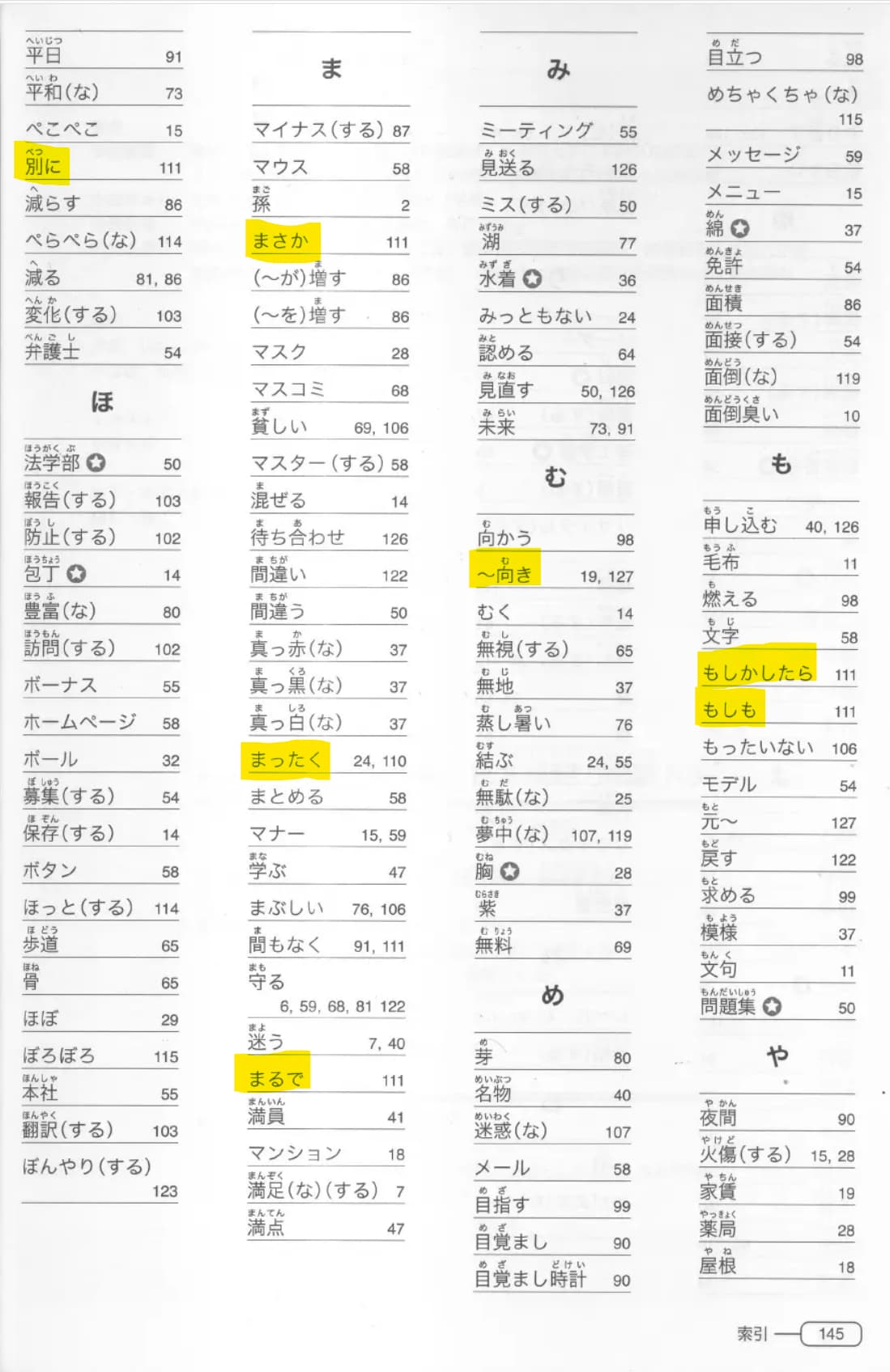
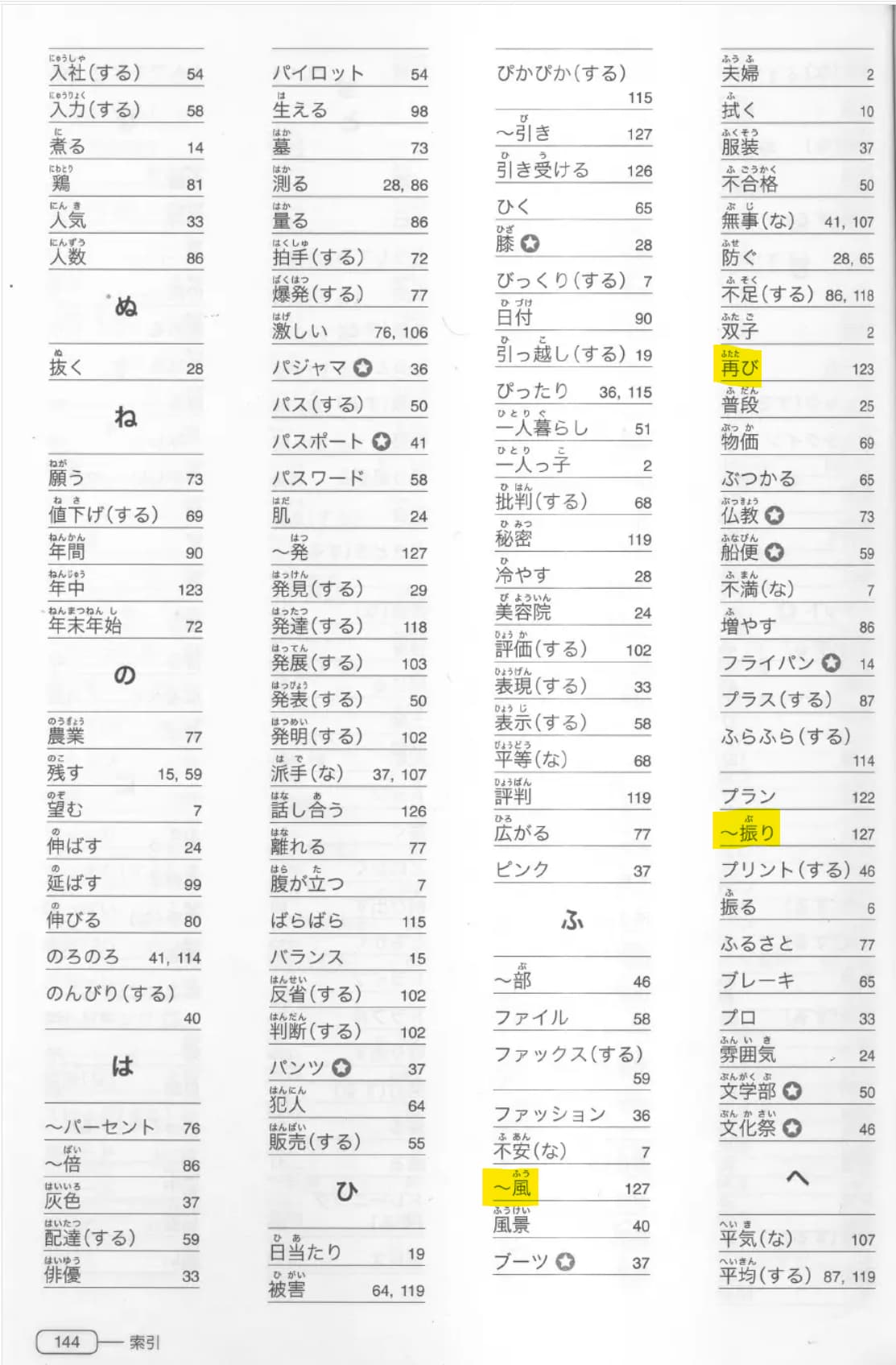
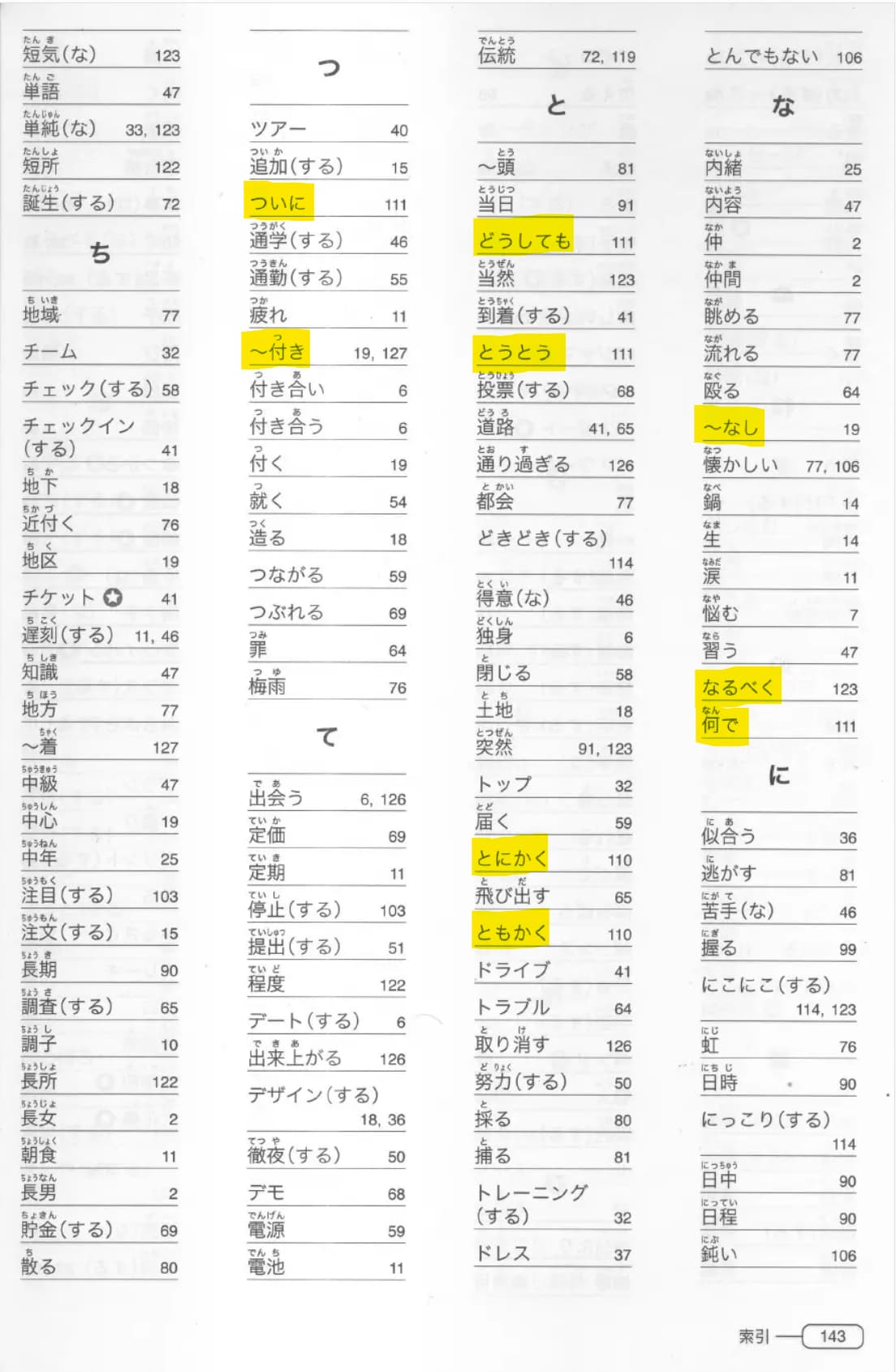
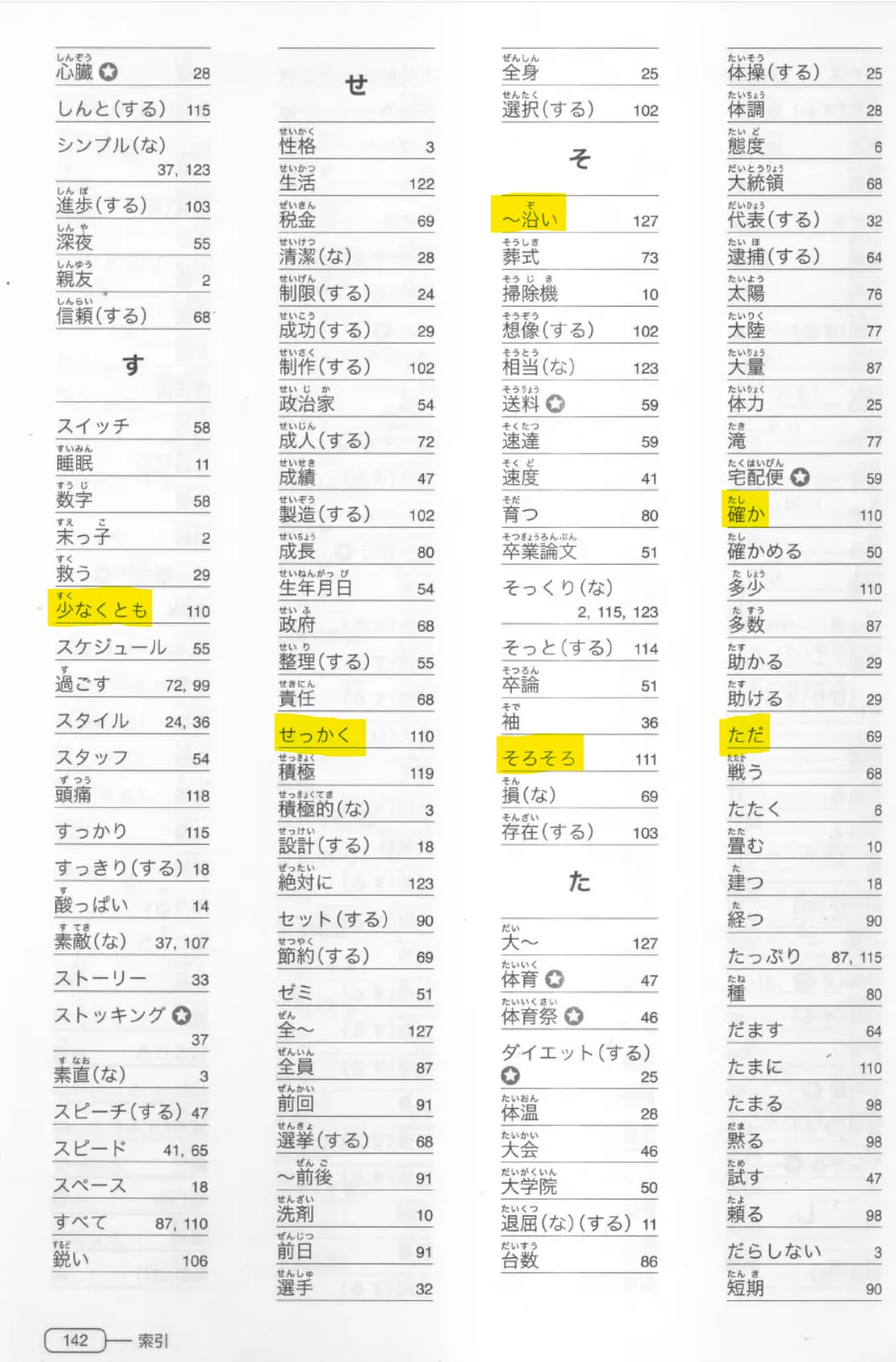
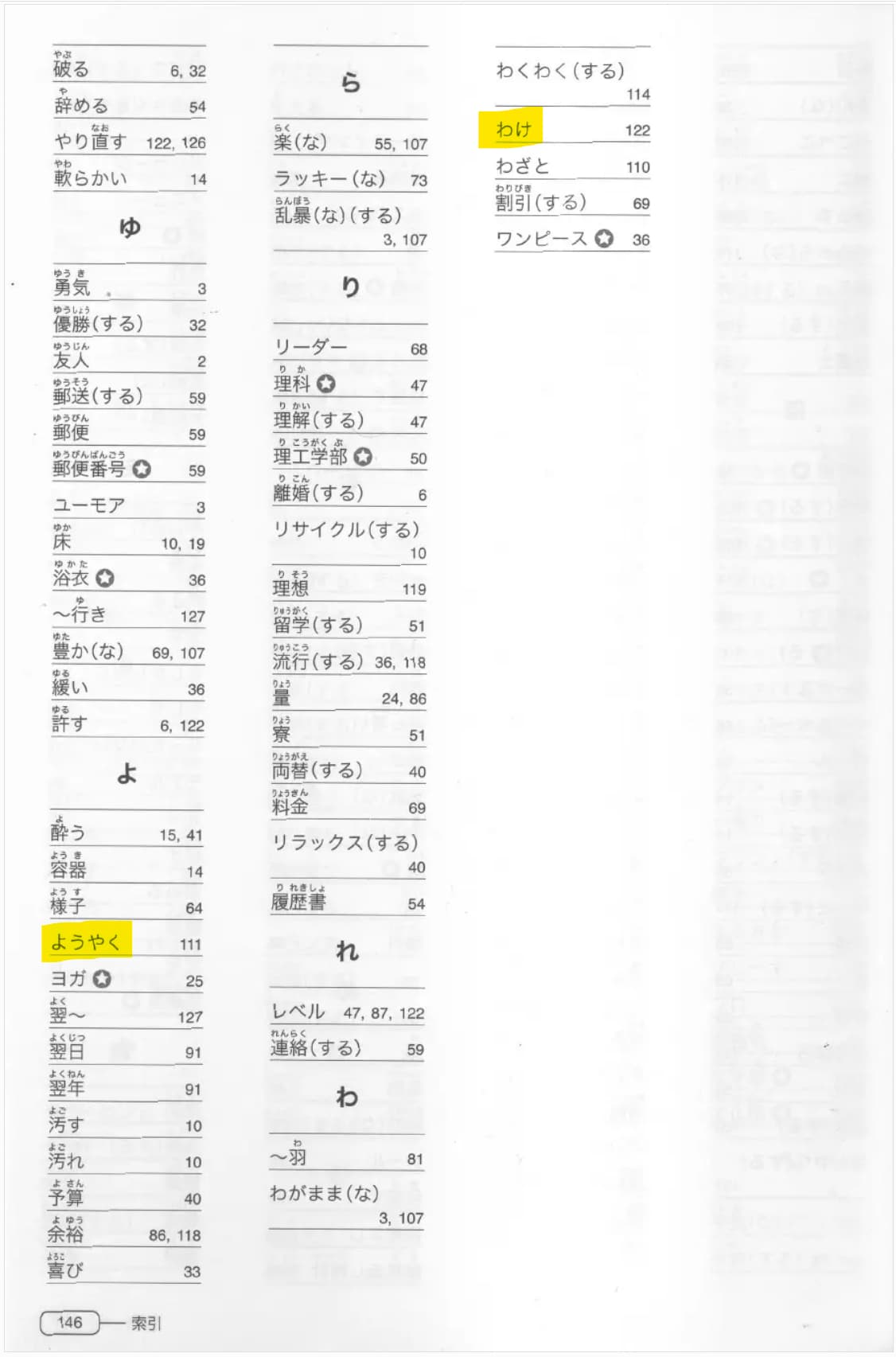
We found that these textbooks usually had double-ups when it came to grammar and vocabulary between their respective grammar and vocabulary textbooks as well. As an example, I have taken some screenshots here from the N3 Shinkanzen Master Vocab textbook, illustrating their duplication of what would also be considered grammar.


(Note that I just gave these a quick glance over, so I may have missed a few)

If I had to hazard a guess at why this is done on the whole between teaching resources, my guess would be that it is because textbooks tend to have comparative or word family based segments. So basically they are listing sets of words together and often making comparisons between them specifically for the purpose of showing differences in usages and similarities.

As Bunpro doesn’t specifically do this in our vocab decks, and presents them purely as ‘lists’, that nuance can be lost and it can feel a bit like ‘why is this in both sections of the site’, despite that being quite normal across the board in textbooks. We may do something like this in the future, and actually have done it for our revised version of N5 which we have divided into logical sets of words. This revised version of N5 will be released quite soon.

As for your specific level-related observation, I would say this is primarily just a failure of stricter content control on our part, where one book had something at one level and another had it at another level, then when we added it, we added them to one specific deck without giving this the particular attention that it perhaps deserved. To be perfectly honest, we haven’t decided what we are going to do with these double-ups across both vocab and grammar yet, but at the bare minimum, I agree that ensuring that they are taught at the same level will lessen the confusion.

8 Likes

I dont know if im off base here but I think its okay to learn to recognise a grammar point before you learn how to use it so I dont find it particularly strange that the list levels don’t always match

2 Likes

Thanks for the extended feedback - makes a lot of sense if you put it like that!

As mentioned before, it’s not causing any issues for me personally since I’m not strictly following the JLPT-levels as a learning path. Was mostly just wondering if this shouldn’t be more optimised for people that are following that path. But looks like you guys are working very hard on that already.

2 Likes

I understand that matching such an immense amount of vocabulary with related grammar is a huge task, and there’s probably not a simple solution that could satisfy everyone.

In my particular case, I’m totally fine with vocab items appearing at a higher level than their grammar counterparts. If anything, it serves as some extra practice with a bunch of fresh practice sentences.

What I consider to be very harmful though, is being presented with a vocab item way before the relevant grammar point. Grammar points are usually more complex in nature, that’s why there are all of these detailed explanations full of different constructions, cautions, exceptions, fun facts…

As an example, look at なお and its entries in Bunpro:

When you first encounter this item while learning vocabulary, it’s a pain if you haven’t reached that grammar yet. I cannot imagine most people not having trouble dealing with this item in such a case.

I think that a small improvement would be to link these related points, at least in the direction vocabulary -> grammar so that users are aware that there is indeed an existing grammar point with relevant explanations. Then the user can decide if studying the relevant material or brute force it as an isolated vocab.

1 Like