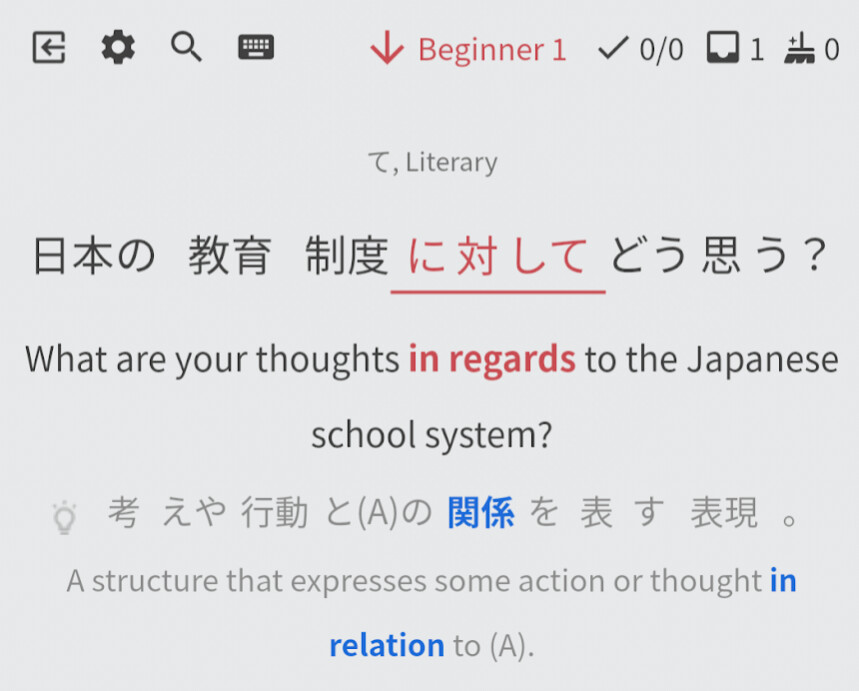
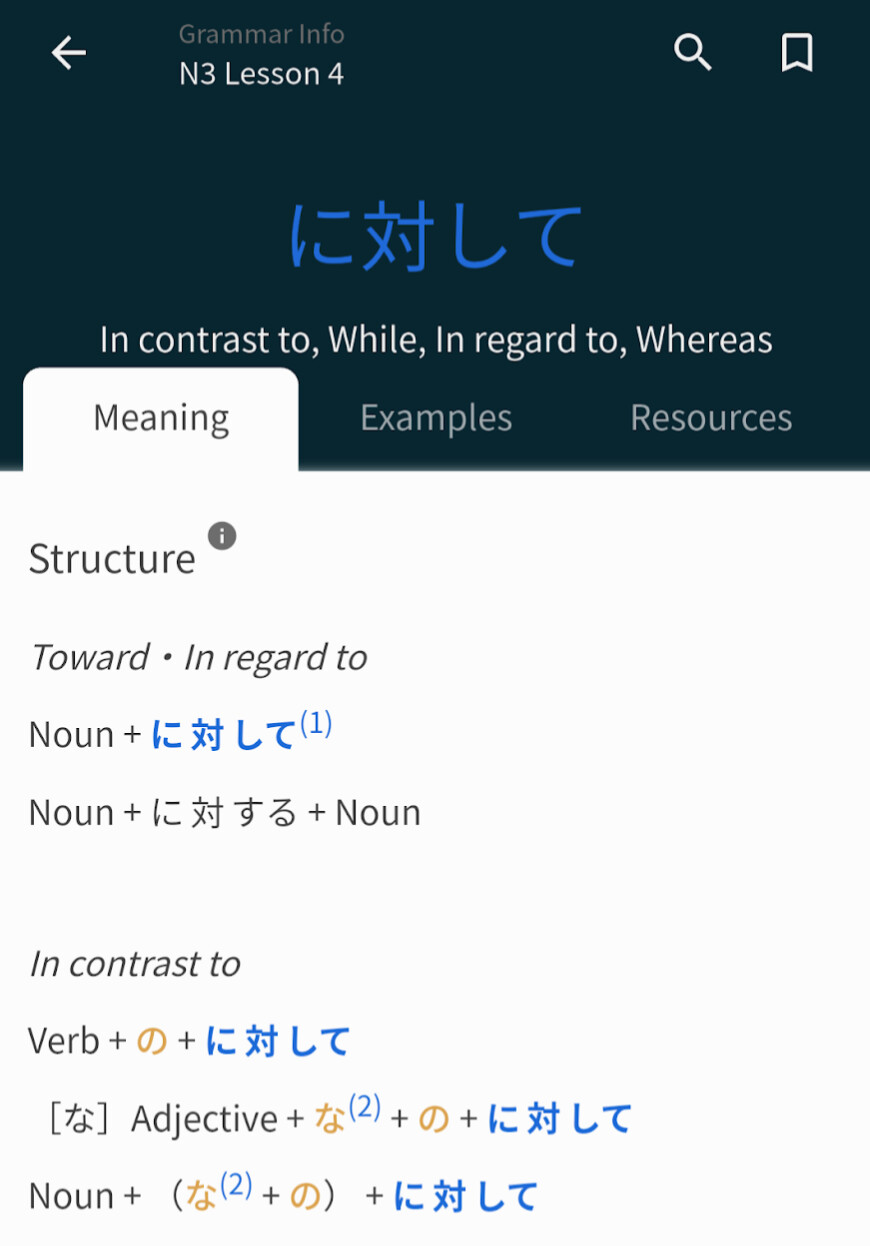
Review "hints" (bold and blue highlights) that aren't in the lessons anywhere

I have created a number of comments on individual grammar items about this, and I’m starting to notice it as a recurring trend in many items. So I’m attempting to start a higher level conversation about that. My latest example that I just ran into today:
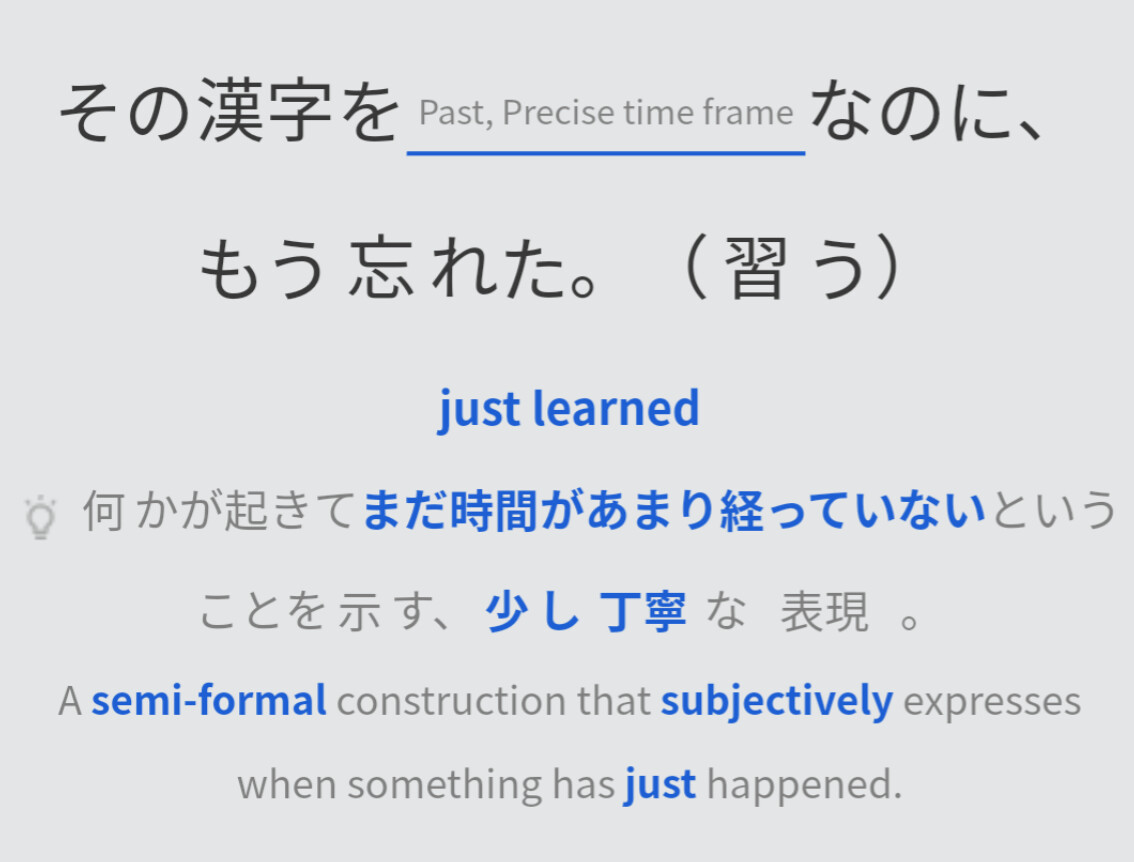
This corresponds with the grammar item ~たばかり, but the word subjectively is not present in the lesson anywhere. And it’s not just about that specific word. The entire concept is simply NOT in the lesson.

Why are reviews giving hints that do the opposite of what a hint should do? This hint made me think long and hard searching for grammar points focused on subjectivity, which was exactly the wrong corner of my brain to search.

I would guess maybe this happens as “content creep” over time (the lessons and reviews are updated at a difference cadence, eventually leading to a mismatch). I can appreciate that keeping 1000 items in perfect state is a gargantuan task. But this kind of error is glaring and frankly kind of ruins the entire spirit of the review. Perhaps as a simple fix that can be started in a programmatic way, consider writing a quick script that scans every item and queries to discover if any of the highlighted hint words are 100% absent from the lesson. Anything found by that query probably deserves immediate attention.
6 Likes

I must admit I’ve noticed this too. A lot of the hints send me down the wrong path looking for connections that I didn’t make in the lesson at all. I put it down to my own poor study habits at the time, but now I’ll have to go back and take another look.

Sometimes I feel like the hints also tend towards idiomatic translations of the grammar point that ARE mentioned in the grammar explanation, but for me personally, for ease of searching my memory, a more literal translation would make sense… have you also felt this?
I can’t think of an example off the top of my head though… will come back when something comes up…

7 Likes

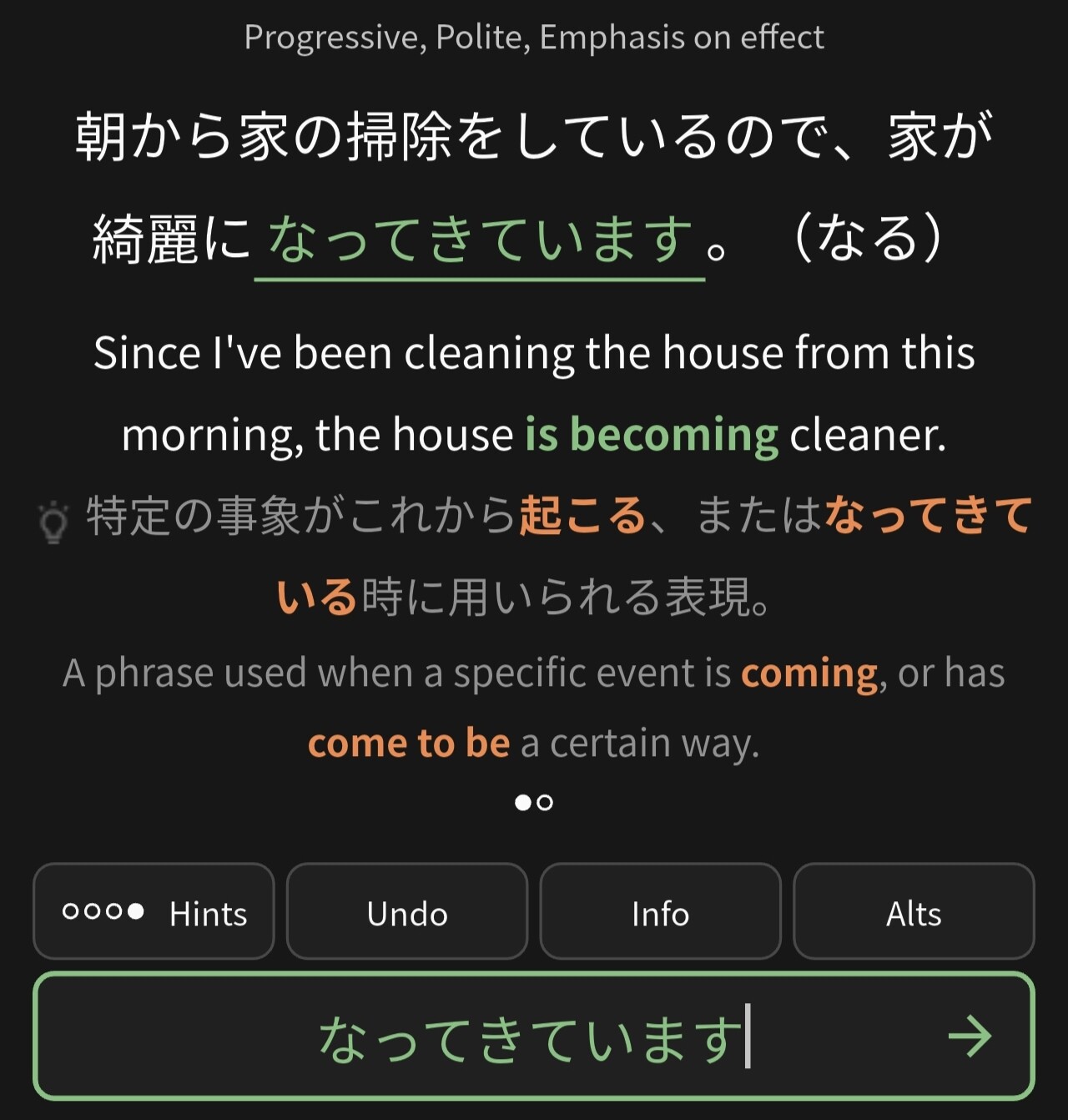
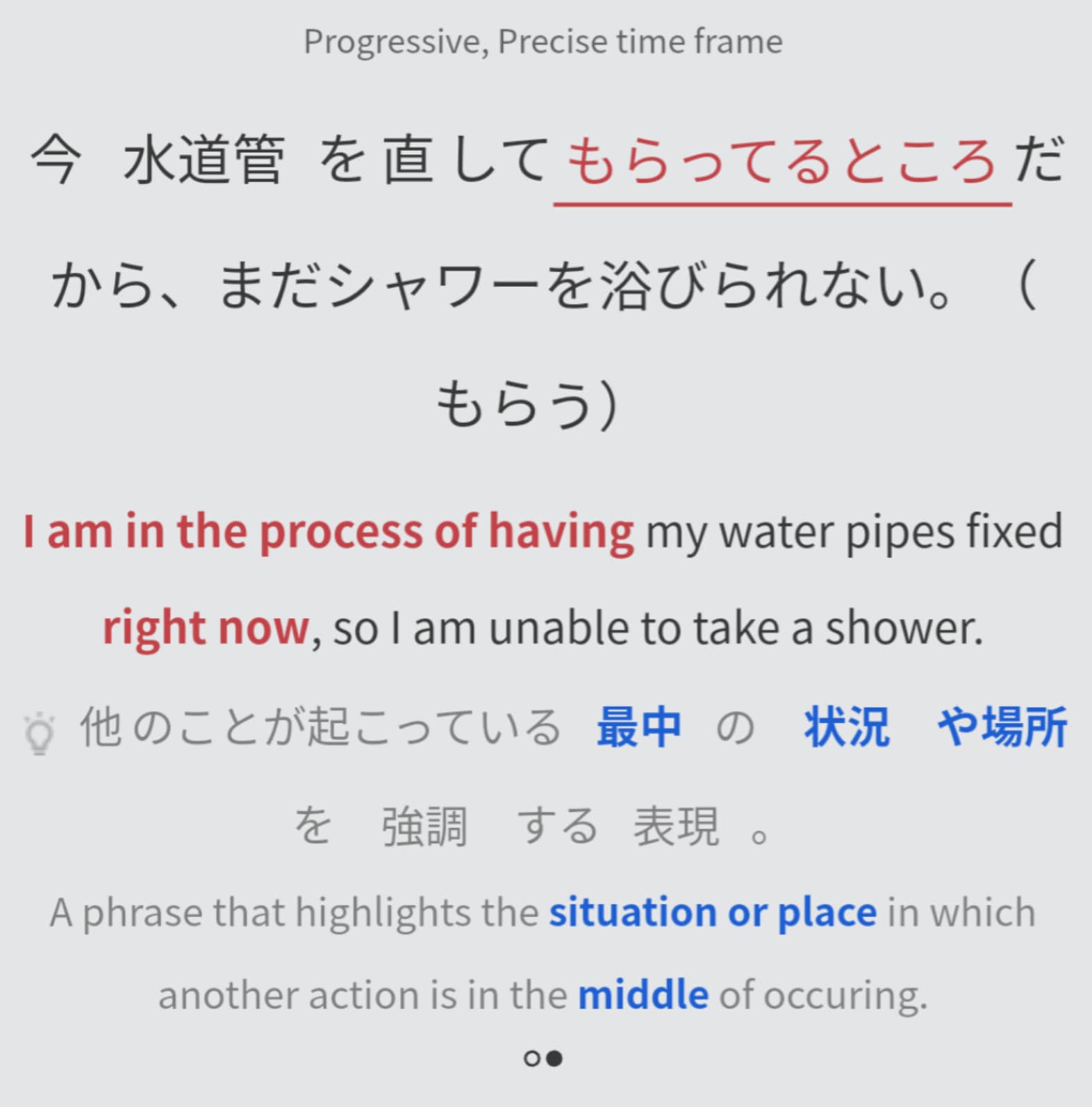
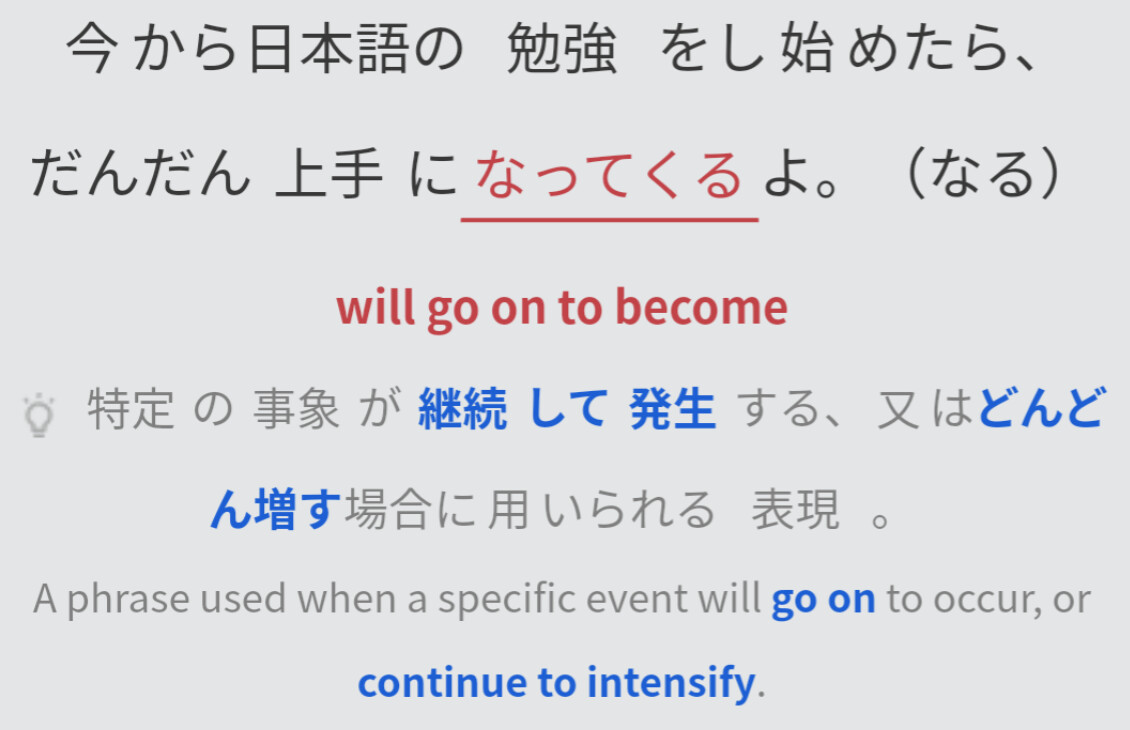
Here is another one I found a few days ago.

And another one (sort of). The second hint “continue to intensify” is not part of the title of the lesson, nor is it mentioned in any of the translations. Admittedly the word “continue” is present in the lesson precisely once (hence the “sort of”), but it hardly seems like the focus, and including it as a BOLD BLUE HINT in the review is more misleading than it is helpful. But don’t take my word for it, just ask Google which Bunpro lesson is about “continue” and you’ll see that the smartest robot on the planet made the same mistake as I did when I tried to answer this question using つづける, thanks entirely to the hint.

2 Likes

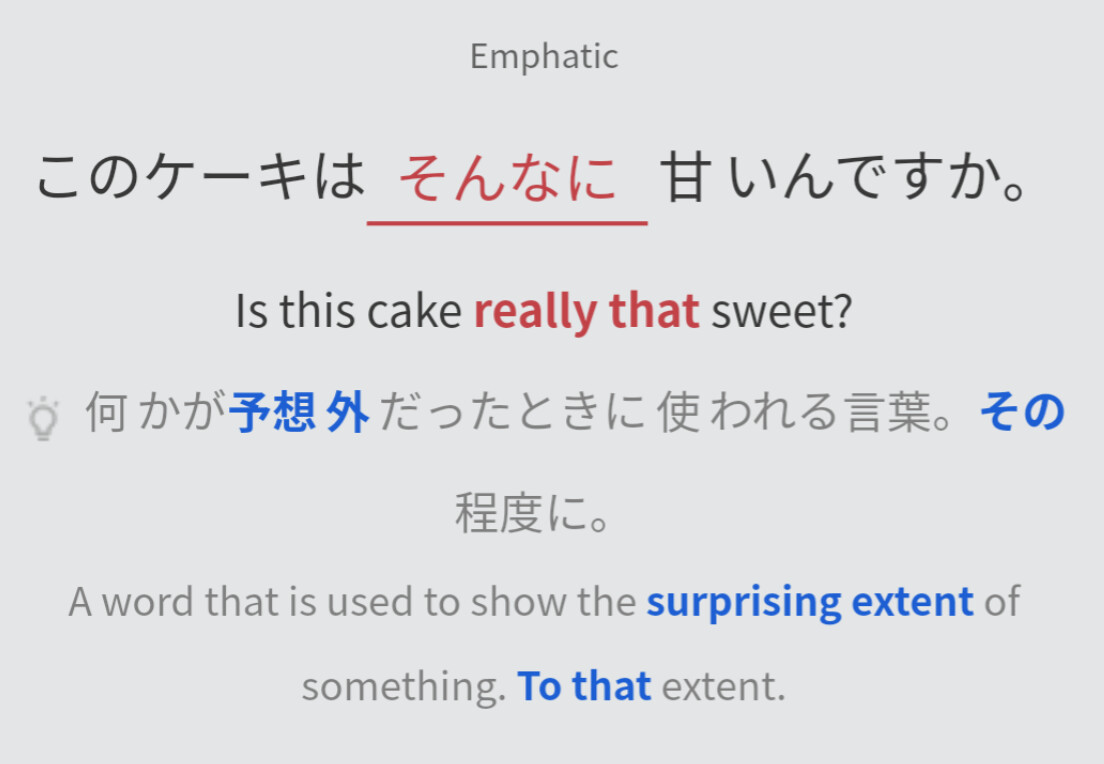
And another one. The hint chooses to highlight the word surprising which does not exist anywhere in the the lesson (neither verbatim, nor by synonym, nor even conceptually).

Why choose that hint word? If this nuance is something we need to learn, it should probably be in the lesson. If it’s not, then it probably shouldn’t be a hint.

2 Likes

Sorry I missed this older question. Yes, for the review case, I’d prefer a hint highlight that points toward the most basic/literal meaning of the grammar point so that my brain knows which bucket to search. If there is some sort of implied nuance (like surprise, in my most recent example above), I’ll infer that naturally I think. The surprise is not actually part of the grammar point, and distracts from it when highlighted. It’s part of the context of the sentence which comes out as a whole (and it’s perfectly fine to include it in the translation, but not to bold highlight it.

1 Like

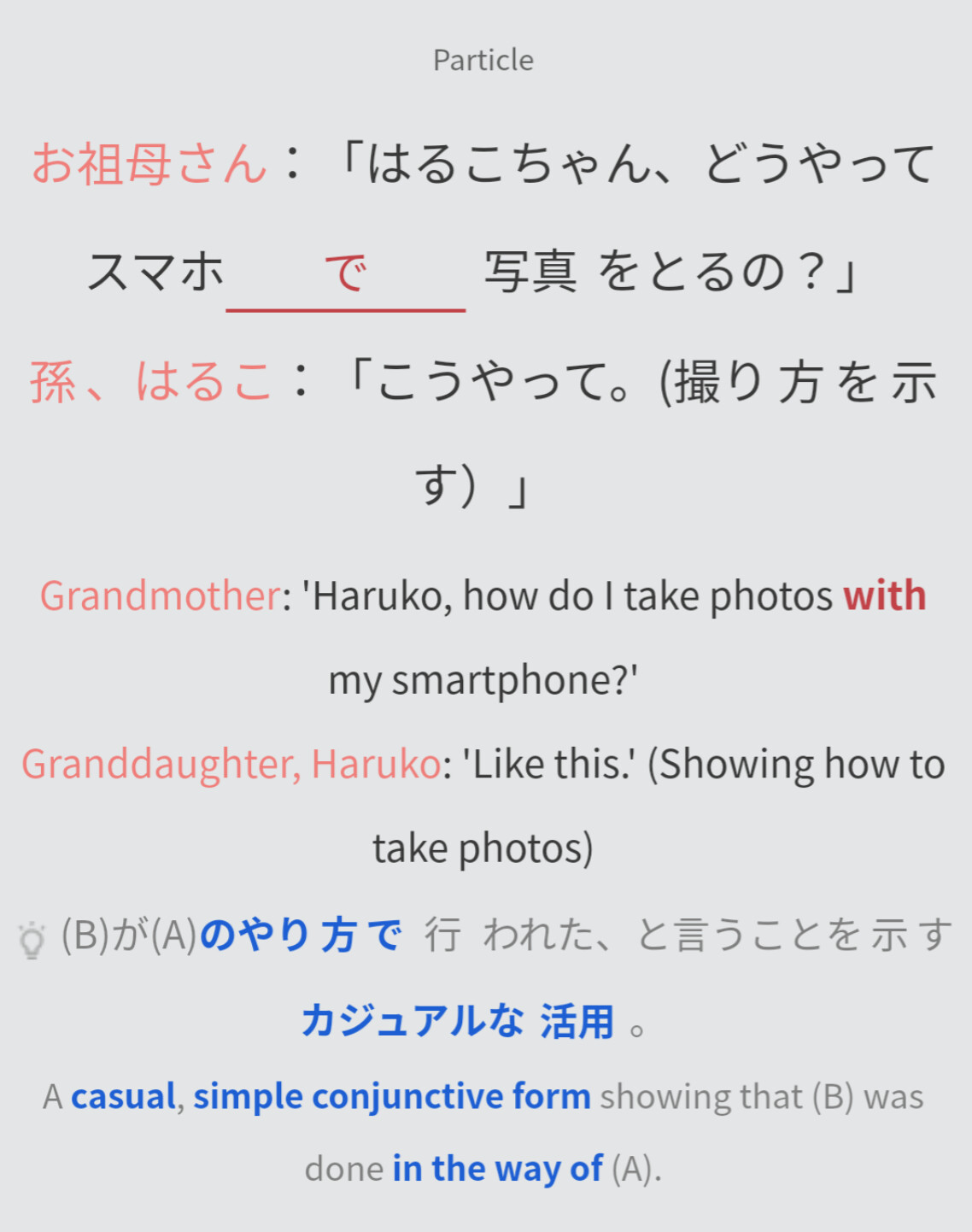
And another one, which I consider the most egregious to date, because the hint actually actively led me away from the correct answer which I wanted to use.

My gut instinct was to put で in the blank (the correct answer). I actually remembered that the usage I was thinking of was called means, and I noticed that the hint did not use this word or any word which I considered a synonym to it. Rather, the hint used the word way… so I decided to try to build an incorrect answer using ように.

Now let’s look at what words are used in the lesson for this question:

  • means
  • manner
  • by
  • with
  • on
  • by means of
  • ~ing with

The word WAY is not in the lesson anywhere. Why on earth is that word chosen as a hint over any of the 7 words above which are in the lesson?

And for reference, here is one lesson which does dominantly use the word way: ように (JLPT N4) | Bunpro (there are others, e.g. かた and ふう).

In my anti-defense, yes the word way does (kind of) work as a description of this usage. Though I think with is a much better word (admittedly that word is present in the sentence translation, but not in the hint where it should be). And yes, the question did clearly ask for particle, which should have helped me. But I still maintain that using a key hint word which is not present anywhere in the lesson is an absolutely horrible idea.

1 Like

Hi there, and thanks for voicing your concerns! We actually have plans to add these hints to the main grammar pages in the near future.

In the meantime, here’s a few tips that might help with solving the grammar point desired from any question. Firstly, the hints are written with specifically slightly unnatural English in order to point to the literal translations of the Japanese (ように) meaning ‘way of’. In the past, this is why we didn’t have them on the grammar page, as we thought this would result in a lot of reports about the English being the way that it is. I think we will try to get around this by having some kind of tooltip on the grammar pages that this is intentional. Secondly, we never use the target grammar point in the hint itself, so in the Japanese version of the hint where it says やら方-で-, you can automatically rule で out as being the answer.

As for the logic of why we don’t use some of the more basic translations, it is because there is a huge amount of overlap where 10 different grammar points could be translated in the same way, resulting in the user needing to cycle through all possibilities of things that are similar. The hint helps combat this by being more specific and focusing on the meaning of the Japanese itself, rather than common translations.

Hope this helps! :bowing_man:

6 Likes

Thank you for the response, Asher. I look forward to the improvements. :slight_smile:

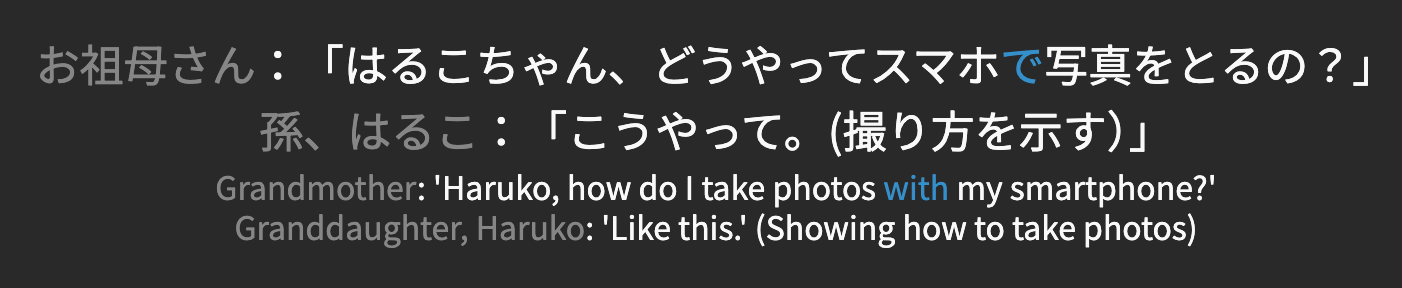
Uh… but で was the answer here:

2 Likes

Ah, you are completely right! I misread part of your comment :bowing_man:.

In that case this hint actually needs to be completely rewritten, so I will do that right now! Thanks for pointing out my oversight! :relaxed:

4 Likes

ありがとう! :bowing_man:

FWIW, the “with” prompt in the translated sentence is perfect, it’s just that the hint prompt is wrong. I feel like that is often the case with this issue. Which means I’ll just need to start focusing on the translation harder.

1 Like

The discussion seems to be premised on the idea that you learn exclusively in the lessons, and practice exclusively in the quizzes. The world doesn’t work like that, and it is not clear to me that I want bunpro to work like that. One discovers nuances of words, phrases and grammar by hearing them used.

I have always viewed these hints as additional learning materials. There is surely a trade off between making the lessons long and exhaustive, and concise with some nuances omitted.

Personally, I skim new lessons, rather than read them carefully, and learn by practicing.

I agree it’s important to diversify ones learning materials but sometimes the hints are very confusing and the point of a system like bunpro is to help one learn nuance is it not? otherwise we could just do flashcards with no example sentences etc

Of course it’s not perfect and like you note it basically cant be but sometimes hints do lead one down the garden path

2 Likes

Not at all. That’s a dichotomy that I haven’t presented. The premise is plainly stated as this: if the review hint has a bold emphasized word in it, that word should be prominently used in the lesson.

Discovering extra nuance in the reviews is more than welcome.

Secondly, we never use the target grammar point in the hint itself

I’ve seen this happen recently.

2 Likes

Hey @nightuser_ru and @The111 !

We’ve slightly reworded these hints so that they don’t include the target grammar point! If you ever spot something similar, feel free to let us know! :bowing_man:

2 Likes