
38,144 + 64 (wk) + 105 (bp) = ¥38,313
11 Likes
38,313 + 15 reviews = ¥38,328
11 Likes
¥38,328 + 442 (Bunpro reviews) + 182 (Anki reviews) = ¥38,952
11 Likes
¥38,952 + 288 (Bunpro) + 94 (Wanikani) = ¥39.334
12 Likes
39334+14=¥39.348
9 Likes
39,348 + 122wk + 253bp = ¥39,723
9 Likes
¥39,723 + 38 = ¥39,761
11 Likes
¥39,761 + 92 = ¥39,853
10 Likes
¥39,853 + 50 = ¥39,903
10 Likes
¥39,903 + 98wk +139bp + 38 immersion = ¥40,178
10 Likes
¥40,178 + 52 = ¥40,230
9 Likes
40,230 + 31(reviews) = ¥40,261
9 Likes
¥40.261 + ¥138 = ¥40.399
8 Likes
¥40,399 = 18 (reviews) + 4 (graded reads) = ¥40,421
8 Likes
¥40,421 + 106 = ¥40,527
8 Likes
- Iwate
OK, we’ve made it to Iwate, noodle paradise!
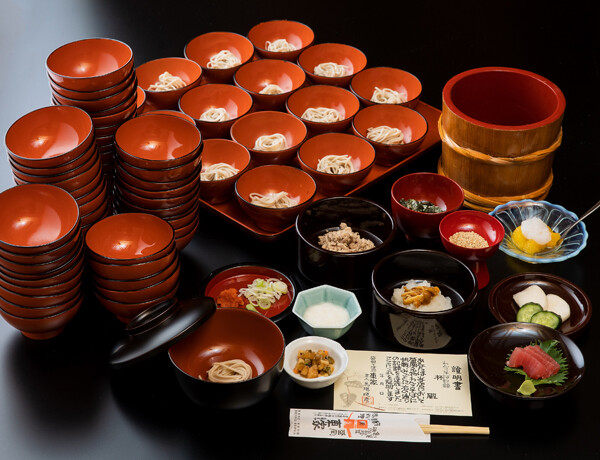
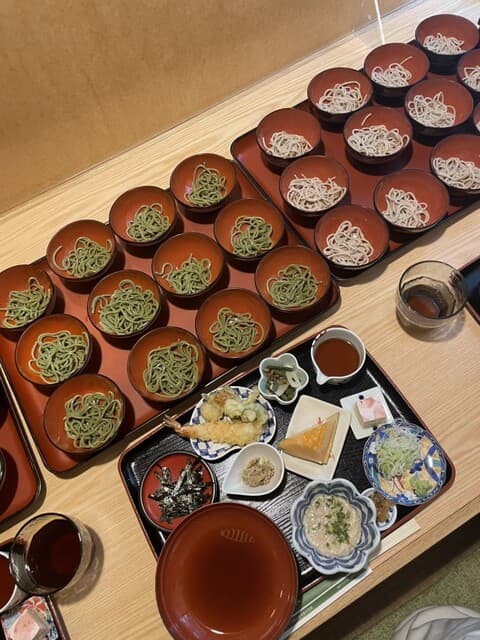
1位:わんこそば Wanko soba
Right, this is an unusual one. Wanko soba is a style of serving noodles in tiny portions. Around 15 bowls of wanko soba equate to one ordinary adult-sized portion of noodles.
Eaters often use various condiments such as nori, spring onion and grated daikon (Japanese radish), so every bowl tastes a little different to the last.
Traditionally, the waiter will refill your bowl as soon as you have finished each portion. When you have had enough, you should put a lid on your bowl to signify that you don’t want any more.
2位:盛岡冷麺 Morioka reimen
This is one that I was about to try a few weeks ago on my Tohoku drive, but just as I arrived in Morioka, I started to feel sick and my temperature went up to 38.5°C, so I spent the whole night wrapped in a quilt at the hotel and just about managed to stomach a Cup Noodle.
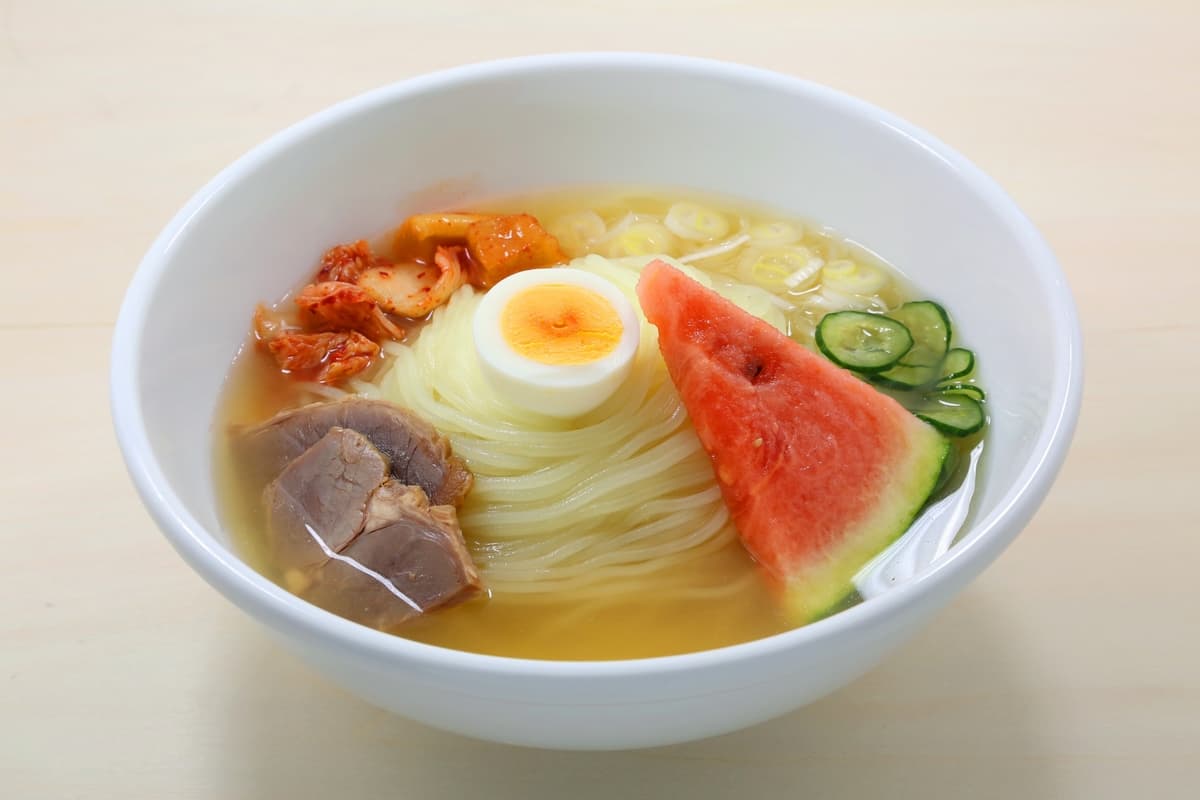
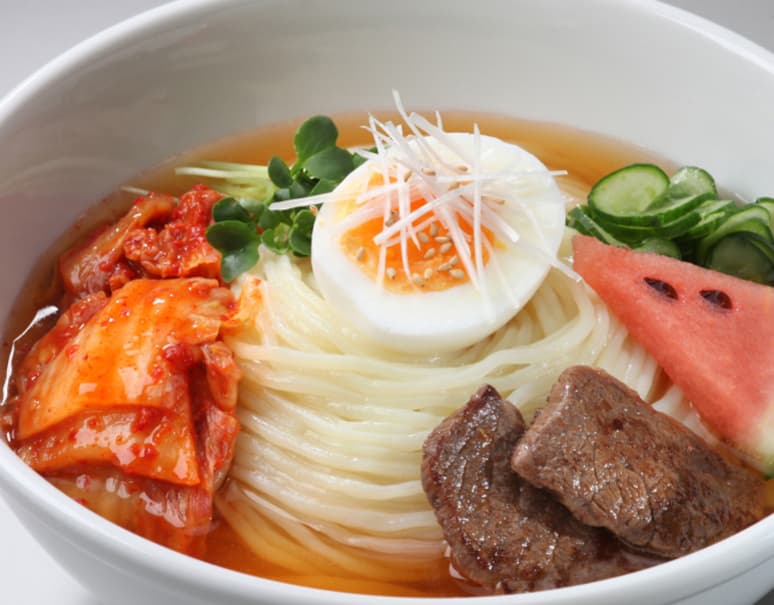
Anyway, Morioka reimen was actually created in 1954 by a Korean immigrant from Hamhung, in what is now North Korea, who owned a yakiniku restaurant. It is deeply savoury with sweet and salty tastes. Of course, kimchi is added for extra spiciness - it originally came from Korea after all!
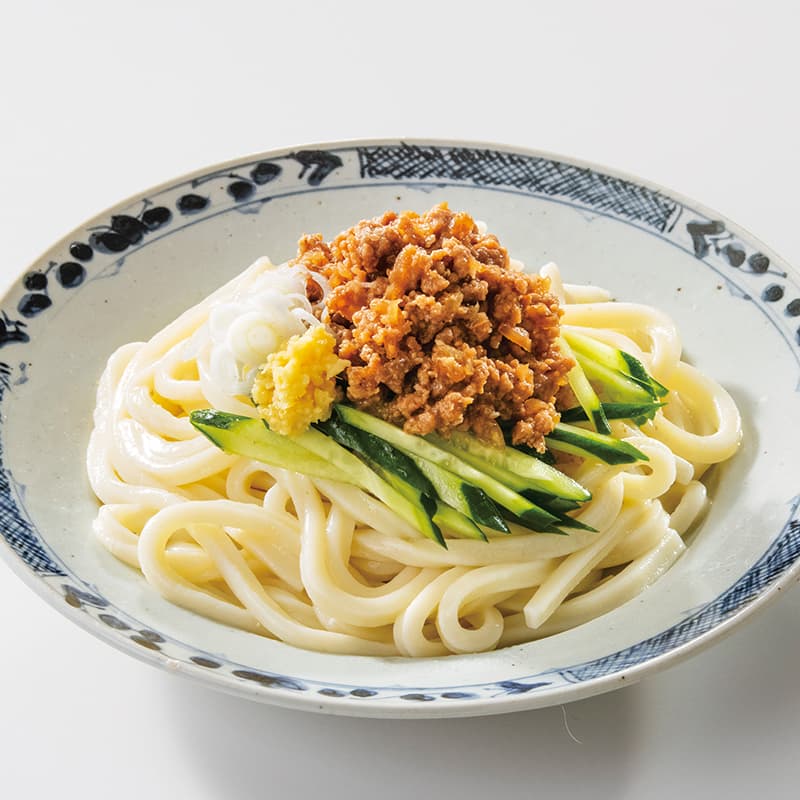
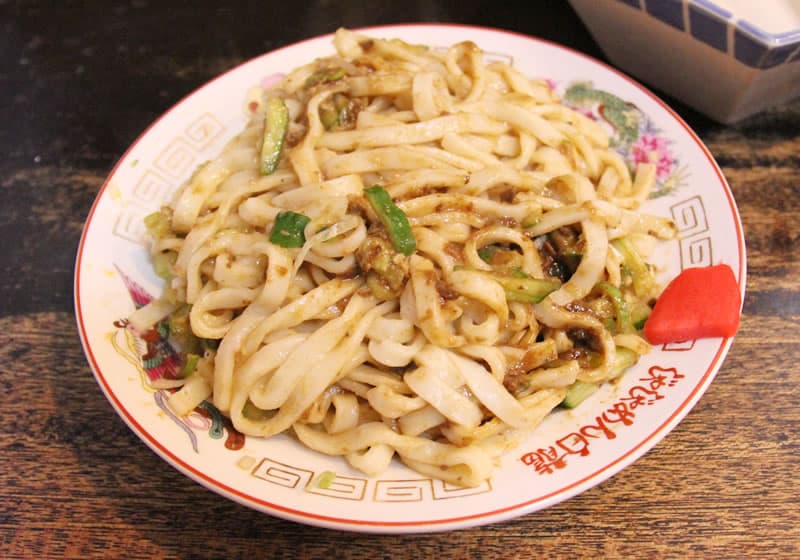
3位:盛岡じゃじゃ麺 Morioka jajamen
This was brought over to Japan by a chef who had lived in Manchuria before the war. He adapted it to local tastes and started to sell it from his street stall. It is served with meat miso, cucumber and ginger, and seasoned to taste with vinegar and chilli oil. This dish must be properly mixed to get a burst of flavour.
It is traditional for customers to leave a little of the sauce and noodles behind, so an egg can be added and hot noodle-cooking water poured on top to make an egg soup – like a second course.
4位:前沢牛 Maesawa beef
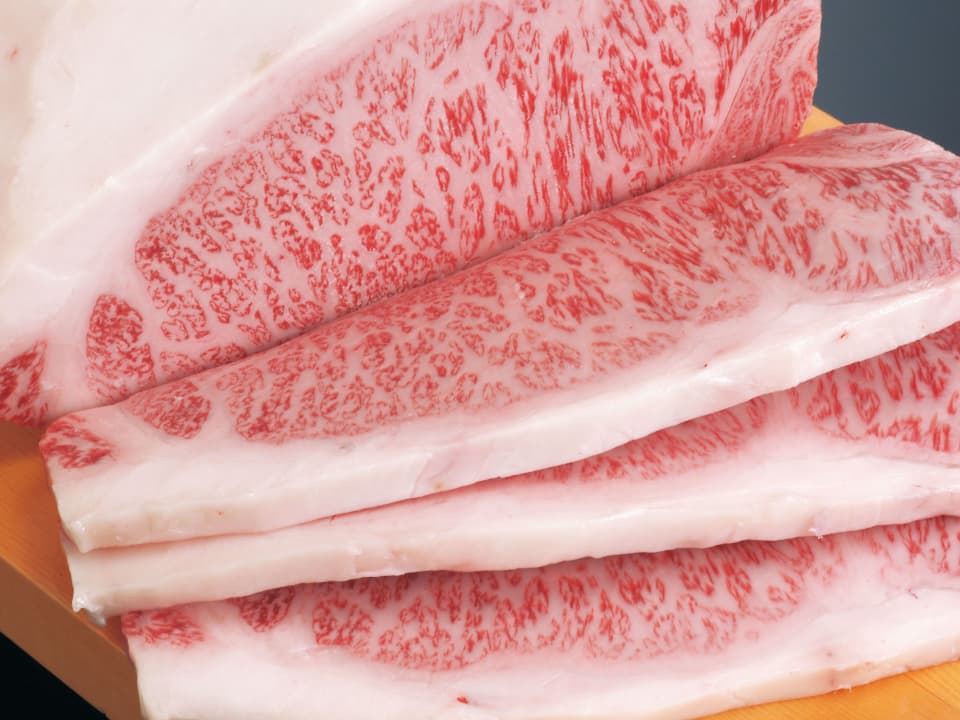
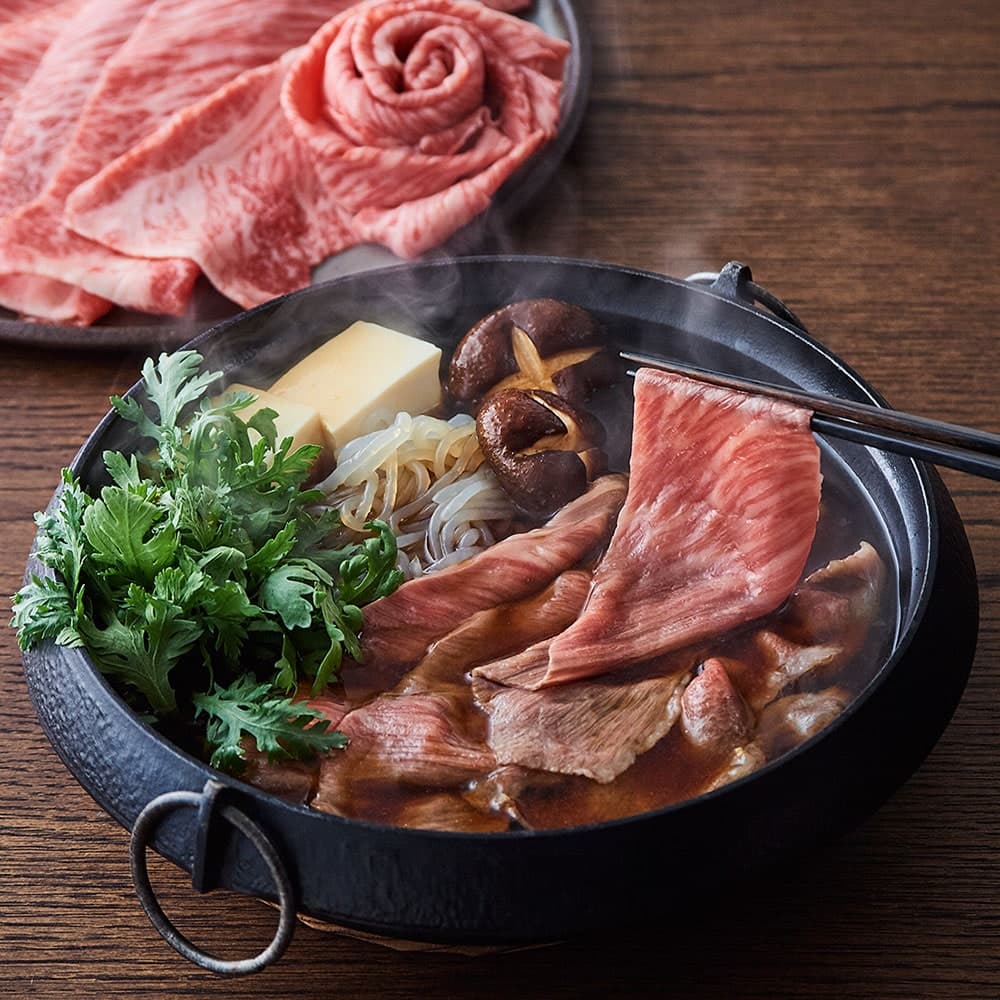
When Maesawa beef was first shipped to Tokyo in 1969, it was dismissed and mocked as simply ‘skinny Iwate cattle’; however, it now has a reputation as one of the best beef products in Japan.
The meat is perfectly marbled, and its sweet fat is known to melt in the mouth. To understand the texture and aroma, a lightly salted steak is the recommendation, whereas if you want to taste the sweetness of the fat, sukiyaki made with thinly sliced beef should do the job!
17 Likes
Our next stop is Sendai in Miyagi Prefecture, which costs 8,970 yen to get to from Morioka, travelling first class, of course! Our next target is 47,090 yen!
9 Likes
¥10 (2 pages 工場のある街) + ¥38 (reviews) = ¥40 575
9 Likes
¥40.575 + 118 =¥40.693
8 Likes
¥40.693 + ¥28 + ¥12 (manga, Makura Uo) =¥40.733
8 Likes