The First Class Gourmet Race Through Japan

  1. Miyagi

We’ve now made it to Miyagi, home to Sendai and a mixture of famous mountain and coastal foods.

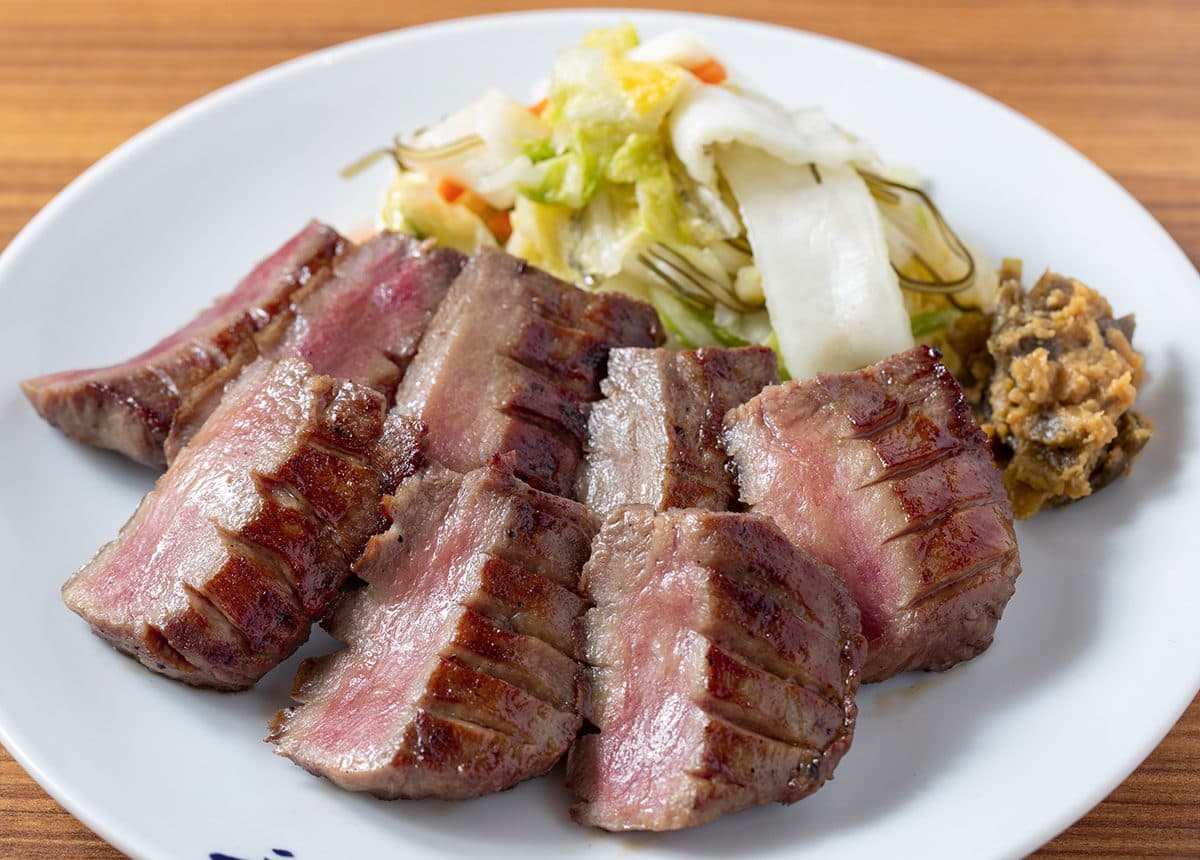
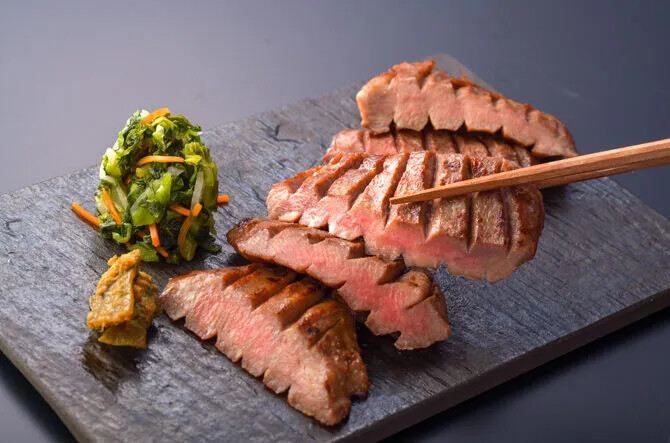
1位:牛たん焼き Grilled ox tongue

This is another one in which if you tell a Japanese person you&re going to Sendai, they will immediately say 牛たん! I had ox tongue in Sendai with a friend when I went a few years ago, and it was easily the best ox tongue I have ever tried. It was absolutely amazing. It came with oxtail soup.

Sendai’s ox-tongue culture began after the war. In about 1948, a chef called Keishiro Sano developed a method of salting thick slices of ox tongue and grilling them over charcoal at the restaurant he ran.

Cuts are made in the tongue to make it easier to bite, and it is matured before being grilled. This produces a smoky exterior and a juicy, springy centre. It is traditionally served with barley rice, oxtail soup, pickles and spicy nanban miso. Although a lot of the tongue is imported, the local preparation makes it a Sendai speciality!
image

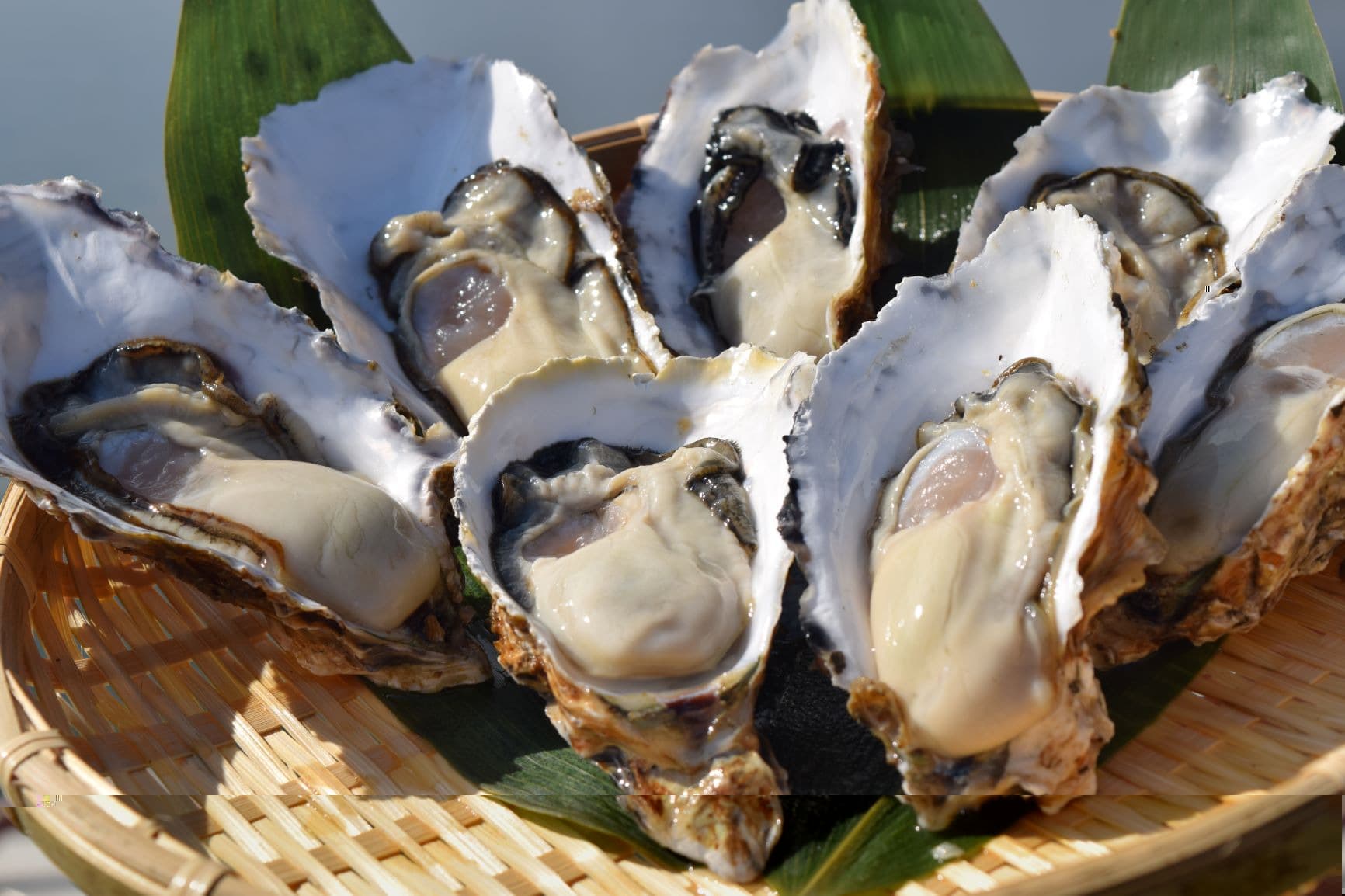
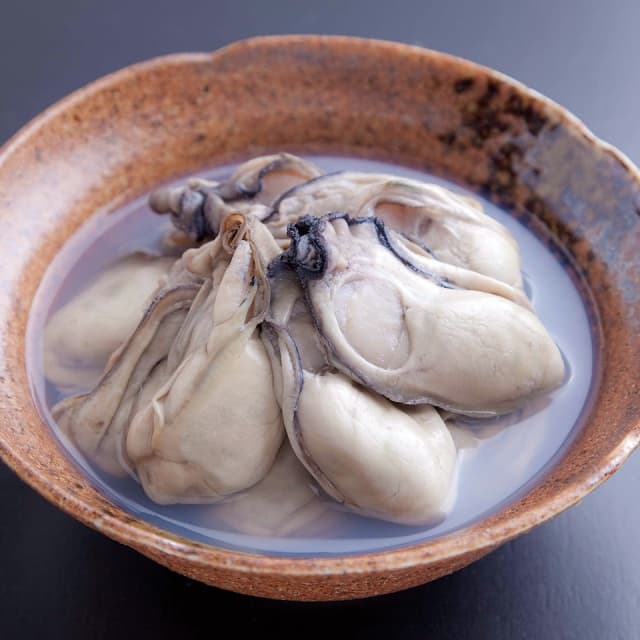
2位:宮城の牡蠣 Miyagi oysters

Miyagi oysters are known for their concentrated flavour, firm body and plump texture. They have been described as rich and creamy, with saltiness and a slight sweetness.

The sheltered bays of the Sanriku coast contain plenty of plankton, helped by nutrients from the forests and the meeting of the Oyashio and Kuroshio currents.

Oyster farming in Matsushima Bay goes back to the 1600s. Miyagi is now Japan’s second-largest producer after Hiroshima and supplies young seed oysters to farms across Japan. During the 1970s, its seed oysters helped revive the French oyster industry.
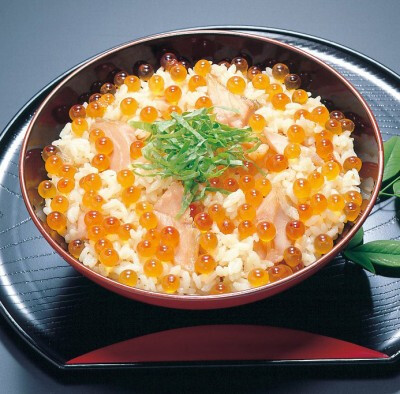
3位:はらこ飯 Harako-meshi

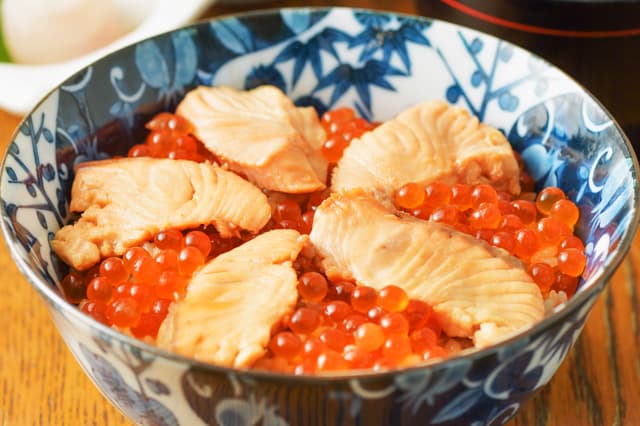
Harako is a regional word for salmon roe and is said to refer to the children inside a salmon’s belly.

The salmon is simmered in a sweet and savoury mixture with soy sauce, sake and sugar. The rice is then cooked in the resulting stock before being topped with the salmon and ikura. This gives it way more flavour than simply placing salmon and roe on plain rice.

Harako-meshi began as a fishermen’s meal around the mouth of the Abukuma River. According to local tradition, it was once presented to Date Masamune during an inspection of the construction of a canal. Its main season is from September to November, when the salmon return to the area’s rivers.
image
image

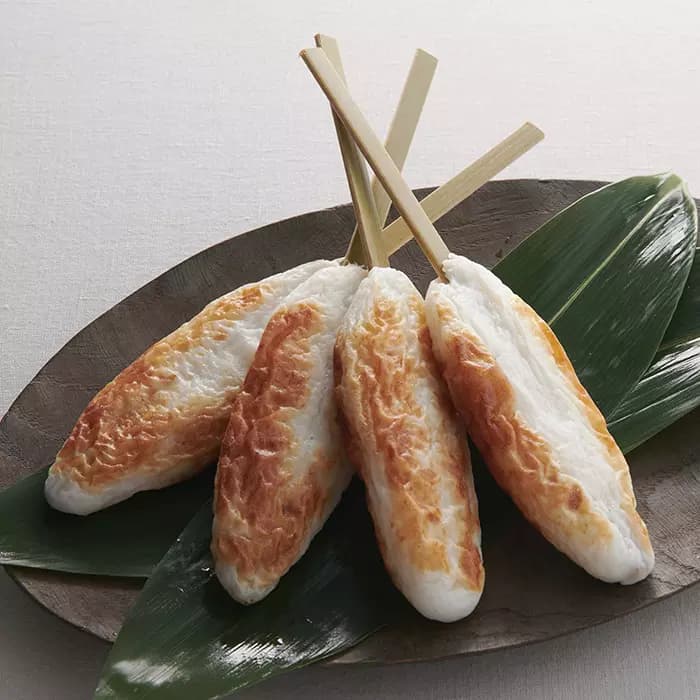
4位:笹かまぼこ Sasa-kamaboko

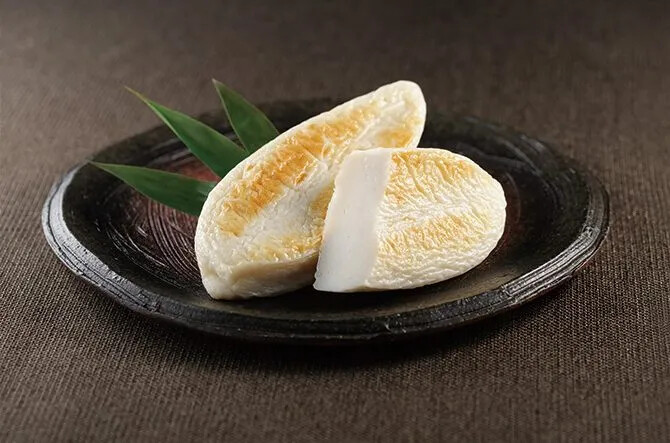
Sasa-kamaboko is a grilled white-fish cake shaped like a sasa leaf. It has a mild savoury flavour and a firm, springy texture.

It started during the Meiji period, when large catches of flounder were arriving in Sendai without proper refrigeration. The surplus fish was ground into a paste, then it was shaped and grilled to preserve it.

It was first known by names including “palm kamaboko” and “tongue kamaboko”. The name sasa-kamaboko was later established because of its shape and the Date family’s bamboo-and-sparrow crest. Recent varieties include cheese-filled and smoked versions.
image

11 Likes

Next, we need to head over to Yamagata, and there’s no first class option here, so we only need 1,230 yen. Our next target is 48,320 yen.

6 Likes

¥ 47,435 + 40 Reviews = ¥ 47,475

4 Likes

¥47,475 + 60 reviews = ¥47,535

5 Likes

¥47,535 + 92 reviews = ¥47,627

5 Likes

47,627 + 97 WK + 93 BP = ¥47,817

6 Likes

¥47,817 + ¥129 (WK) + ¥36 (YouTube vids) + ¥23 (Slam Dunk) + ¥20 (BP) + ¥4 (BP reading) = ¥48,029

5 Likes

¥48,029 + 47 = ¥48,076

Took it slow today, just doing reviews :slight_smile:

5 Likes

¥48,076 + 38wk + 106bp = ¥48,220

hey i live here lowkey (Tsuruoka)

6 Likes

¥48,220 + 158 (bp) + 60 (wk) = ¥48,438

5 Likes

13 reviews
8 from NHK
10 from listening

48,438 + 31 = ¥ 48,469

7 Likes
  1. Yamagata

We’ve now made it to Yamagata, which is particularly famous for its fruit, beef and massive pots of imoni.

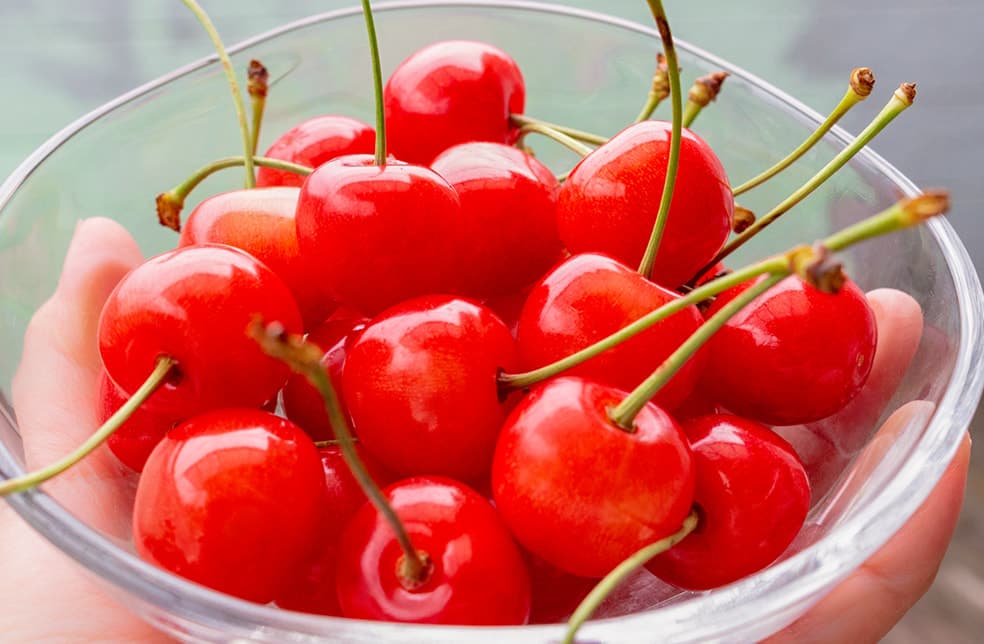
1位:さくらんぼ Cherries

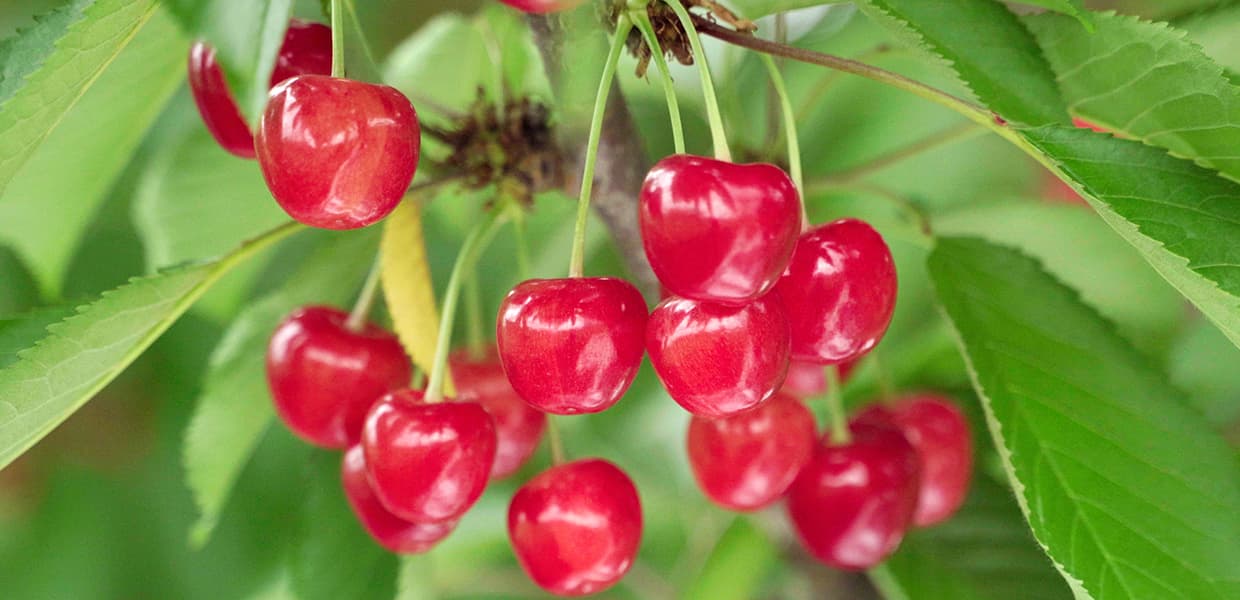
Yamagata produces around 70% of Japan’s cherries. The basin climate, with hot days, cool nights and plenty of sunshine, helps to give them a good balance of sweetness and acidity.

The best-known variety is Sato Nishiki, which was created by a farmer in Higashine. It took around 16 years to develop and is known for its delicate sweetness and slight acidity. Benishuho cherries are larger and sweeter.

The main harvest happens around the start of the rainy season, which presents a slight problem, since too much rain can make the cherries split. To prevent this, large plastic covers cover many orchards. The best fruit is carefully picked and packed by hand, and sold as an expensive gift.


2位:米沢牛 Yonezawa beef

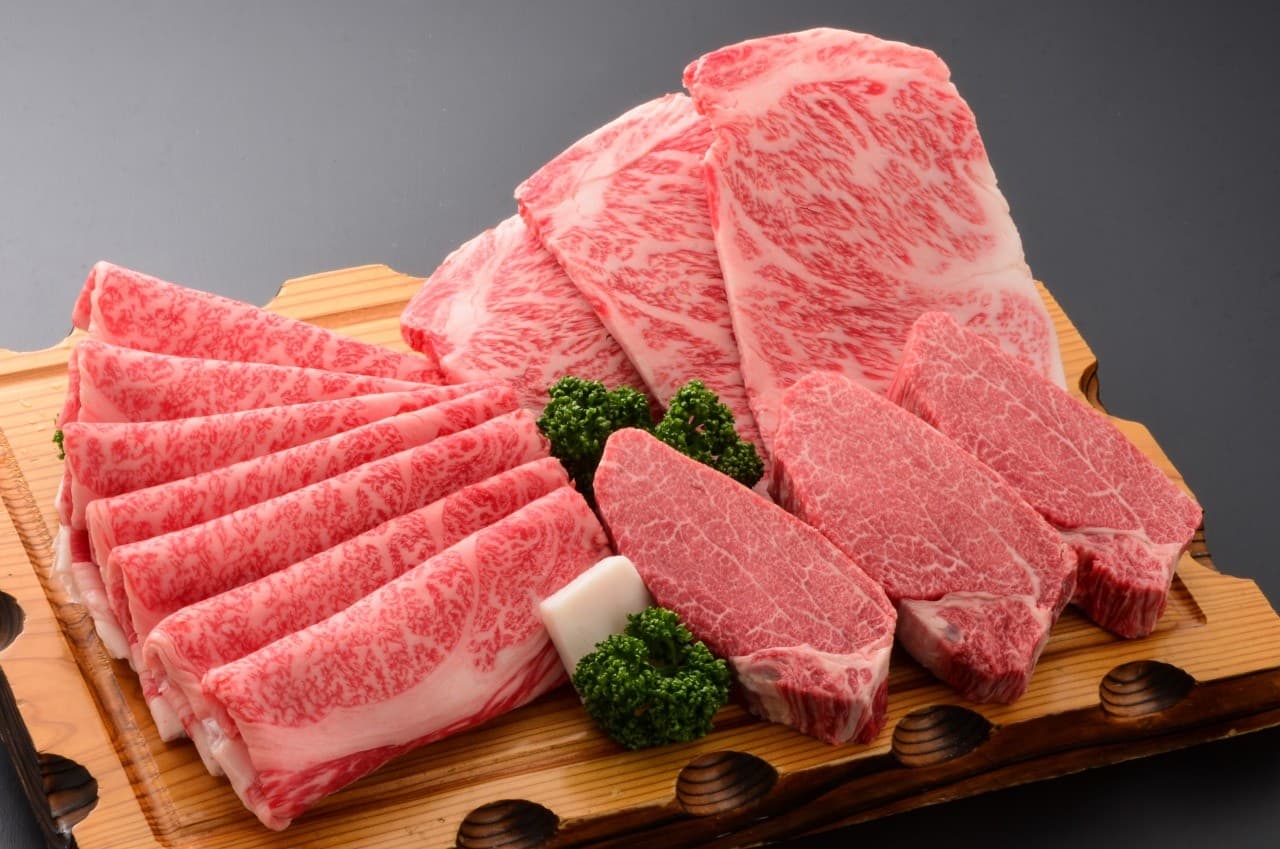
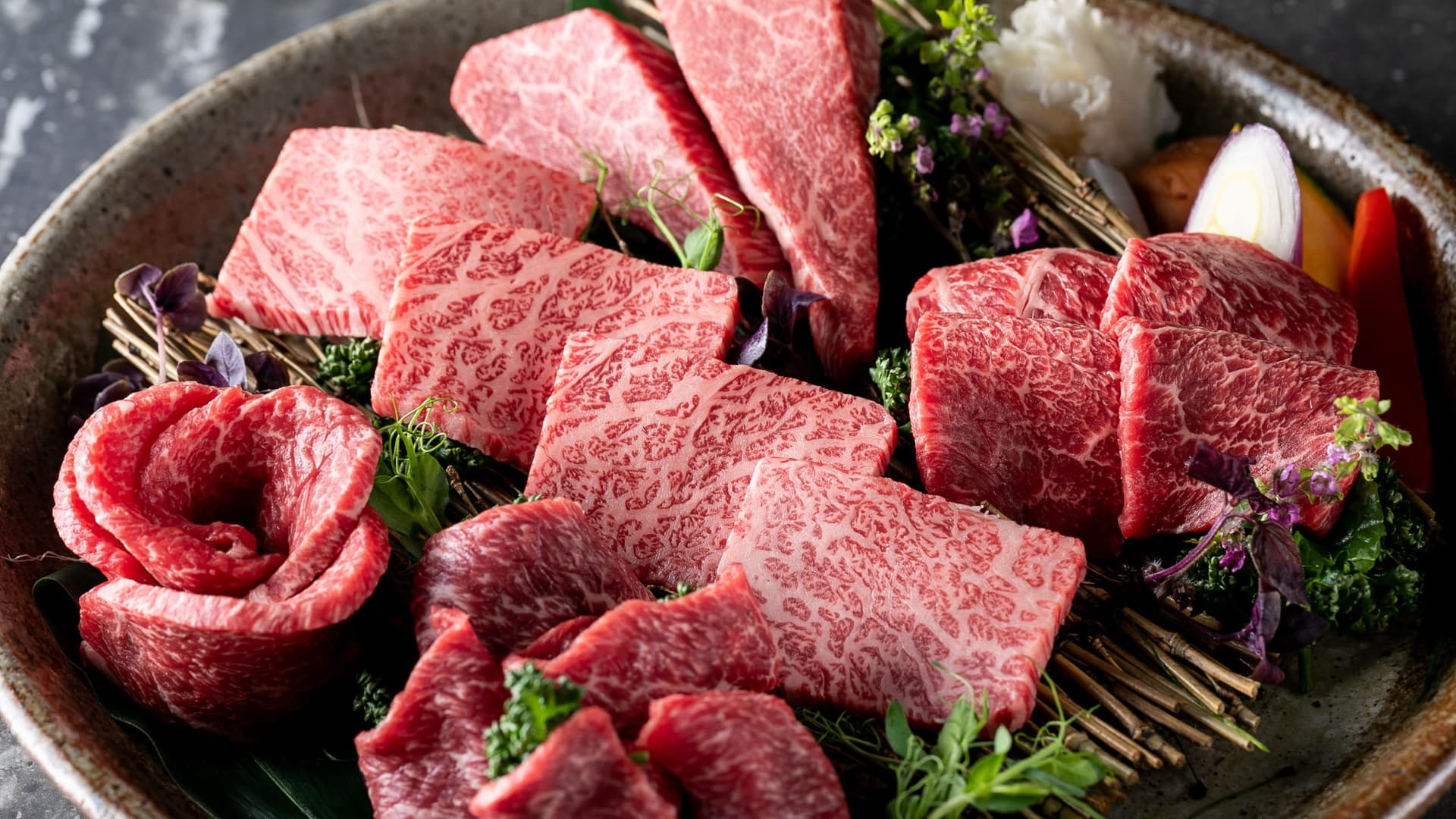
The history of Yonezawa beef caught my attention. In the 1870s, a British English teacher called Charles Henry Dallas was working at a school in Yonezawa.

When he left in 1875, he took one of the local cattle to Yokohama and served its meat to his foreign friends, who were extremely impressed. This helped to build Yonezawa beef’s reputation nationally.

Yonezawa beef is now famous for its extremely fine marbling. The fat runs evenly through the meat, giving it a rich sweetness and melt-in-the-mouth texture. It is often eaten as steak, sukiyaki or yakiniku. Yakiniku would be my choice!


3位:芋煮 Imoni

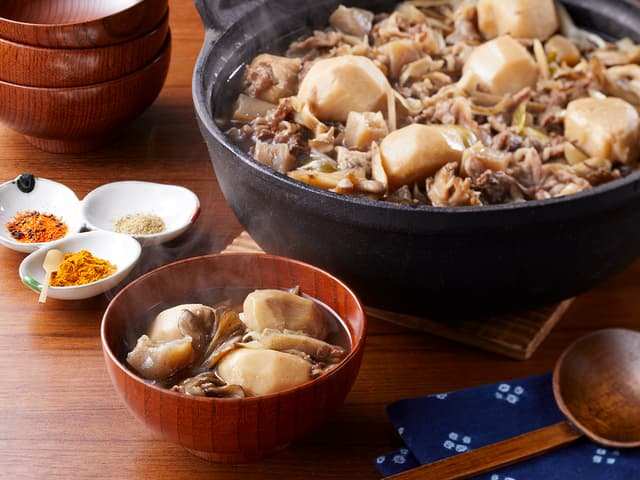
Imoni is a taro hotpot eaten throughout Yamagata. Around Yamagata City, it is normally made with beef in a sweet soy-sauce broth, while the Shonai version uses pork and miso. I’ve never eaten it before, but I think I’d be on the side of the beef one.

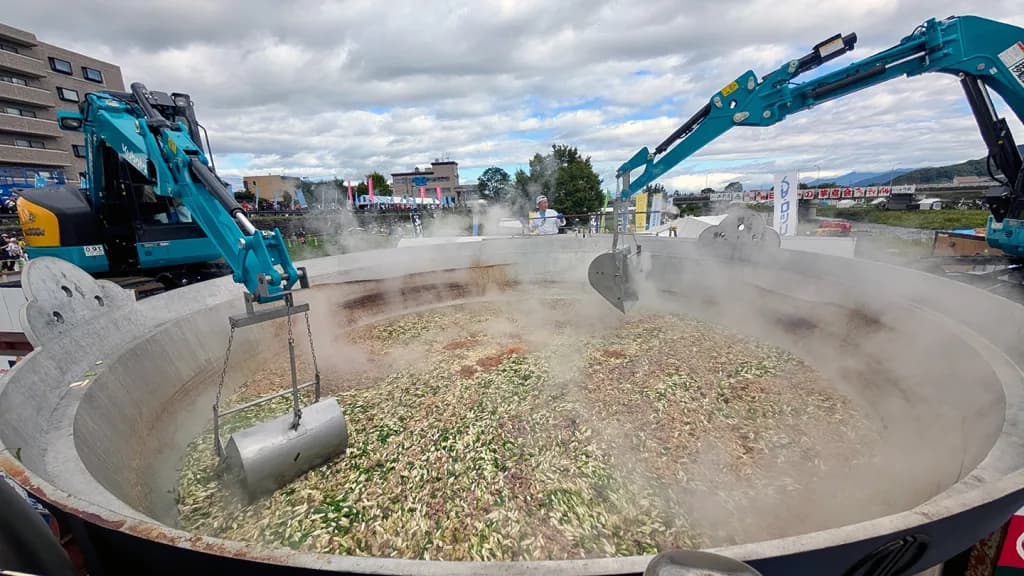
Every autumn, groups gather on riverbanks for imoni parties, where they cook it in large pots and eat together. However, things get slightly ridiculous at Yamagata’s enormous Japan’s Biggest Imoni Festival.

The festival uses a 6.5-metre-wide pot to cook around 30,000 servings, with specially cleaned excavators used to prepare it. It even set a Guinness World Record for the largest serving of soup in 2018. Curry and udon can also be added to the remaining broth at the end, which sounds like the perfect way to finish it.
image

14 Likes

Moving swiftly on, let’s head to Fukushima, costing 3830 yen, making our next target 52,150 yen.

6 Likes

¥ 48,469 + 21 reviews + 1 new grammar + 2 cards = ¥48,493

5 Likes

48,493 + 40 (reviews) = 48,533

7 Likes

¥48.533 + ¥109 = ¥48.642

6 Likes

¥48.642 + ¥9 = ¥48,651

7 Likes

¥48,651+193 = ¥48,844

7 Likes

¥48.844 + 65 = ¥48.909

6 Likes

¥ 48.909 + ¥ 298 = ¥ 49.207

6 Likes