
76,680 + 111 (bunpro) + 57 (wanikani) + 13 (listening) + 10 (reading) = ¥76,871
7 Likes
76,871 + 86 = ¥76,957
7 Likes
76871+55=¥76926
6 Likes
¥76926 + 47 reviews = ¥76973
6 Likes
Cleared all 94 reviews from today:
94 + 76,973 = 77,967
7 Likes
¥77,967 + 36 reviews + 4 readings = ¥78,007
7 Likes
¥78,007 + 146 bp + 70 bp = ¥78,223
6 Likes
It looks like we accidentally skipped over ¥86 from @Peders, and then 900 were added by mistake, putting us at 77,409.
14 reviews
8 from NHK
11 from listening
77,409 + 33 = ¥ 77,432
7 Likes
2 days
12 (BP) + 21 (WK) + 110 (Anki) + 6 (日記) + 102 (漫画) = 251
77,432 + 251 = ¥77,683
6 Likes
¥77,683 + 144 (bp) + 54 (wk) = ¥77,881
6 Likes
It looks like we have enough to arrive at Niigata! 
¥77,881+31(review)=¥77,912
6 Likes
¥77,912 + 193 BP + 110 WK = ¥78,215
6 Likes
¥78,215 + ¥142 (BP) + ¥4 (WK) = ¥78,361
6 Likes
78361+114=¥78.475
6 Likes
¥78,475 + 336 = ¥78,811
7 Likes
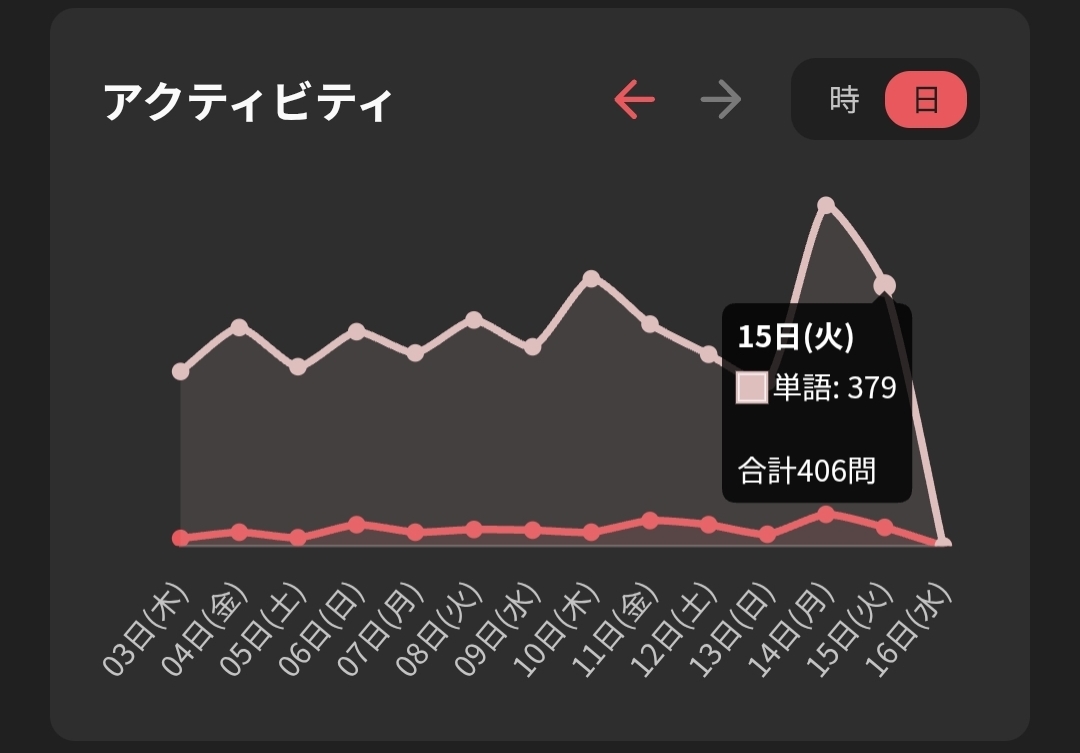
78811 + 406 (bp) + 92 (wk) + 50 (listening) = ¥79359
Just a silent day.  I felt more confident listening than usual.
8 Likes
- Niigata
We’ve now made it to Niigata, one of Japan’s greatest rice-growing regions. Here, heavy snow and clean water have influenced a lot of the local food culture.
1位:魚沼産コシヒカリ Uonuma Koshihikari rice
Uonuma Koshihikari is regarded as some of the finest rice in Japan. It is glossy, sticky and slightly sweet, and remains tasty even after going cold, meaning that it is particularly suitable for onigiri and bento boxes.
Uonuma is one of Japan’s snowiest regions, so there is a lot of water that comes from melted snow in the springtime. Subsequent warm days and cool nights help the rice develop its sweetness. Koshihikari itself began with a cross made in Niigata in 1944, although its development was continued in Fukui before it was named and adopted in 1956.
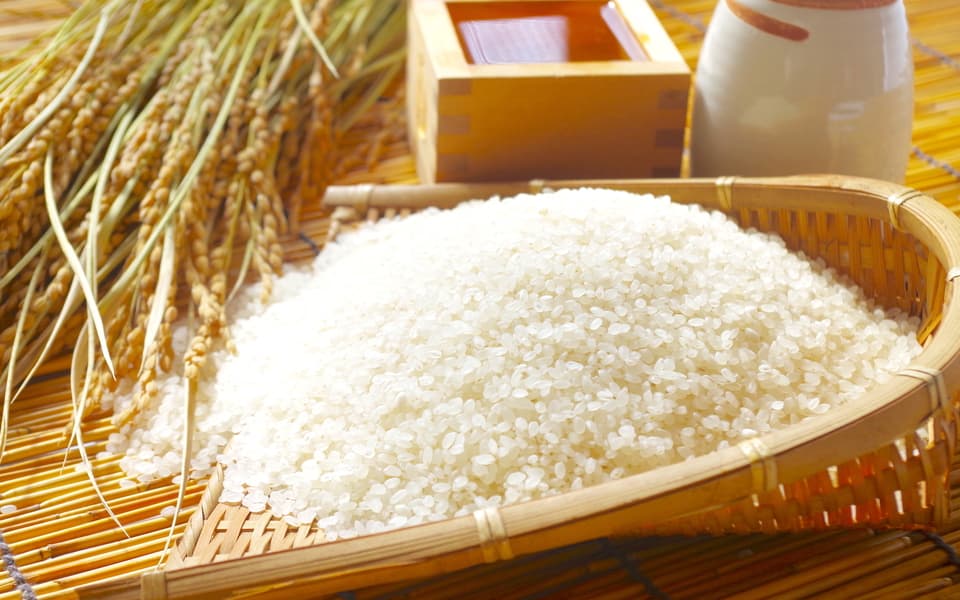
Yeah… I struggled finding neutral pictures for this one!
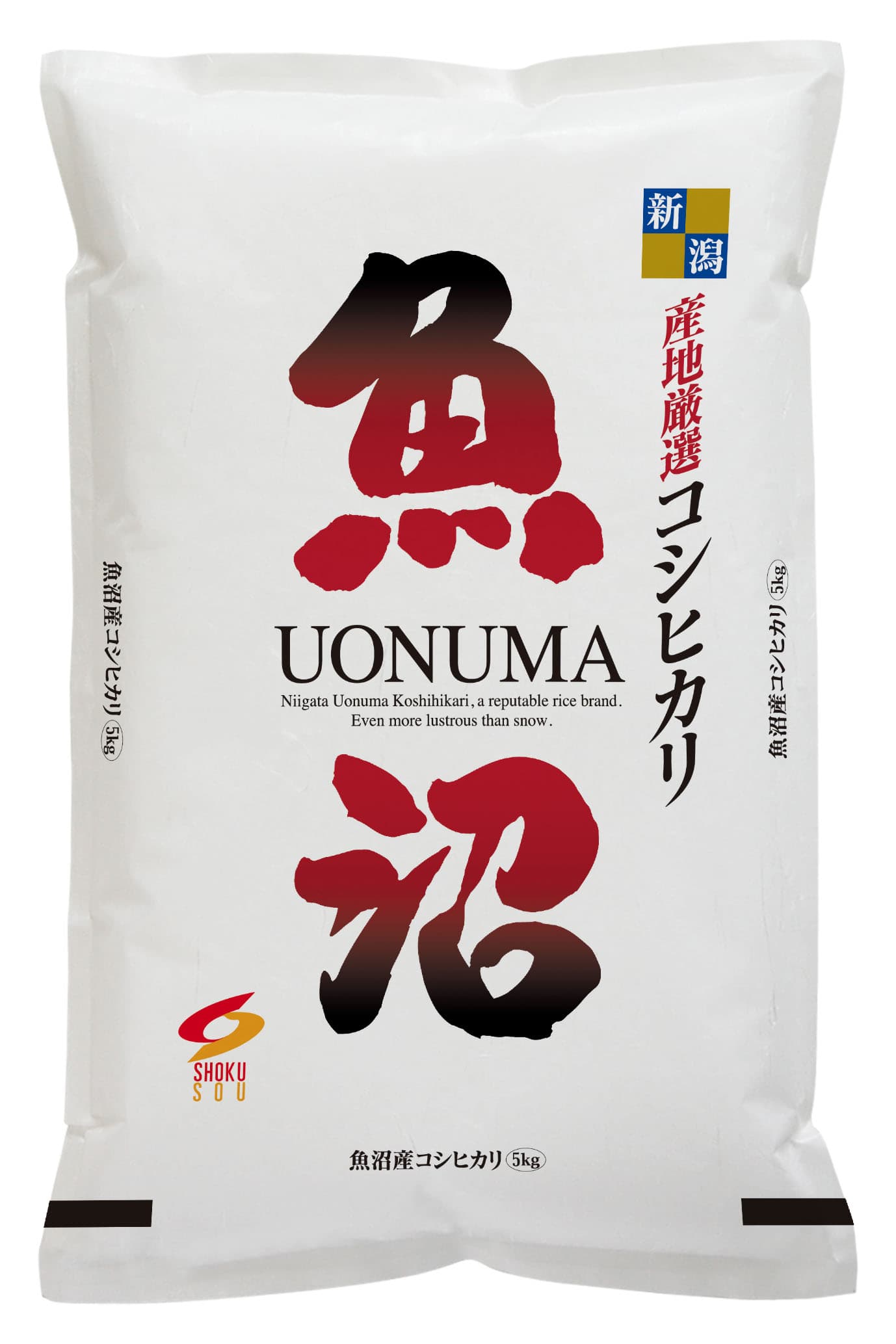
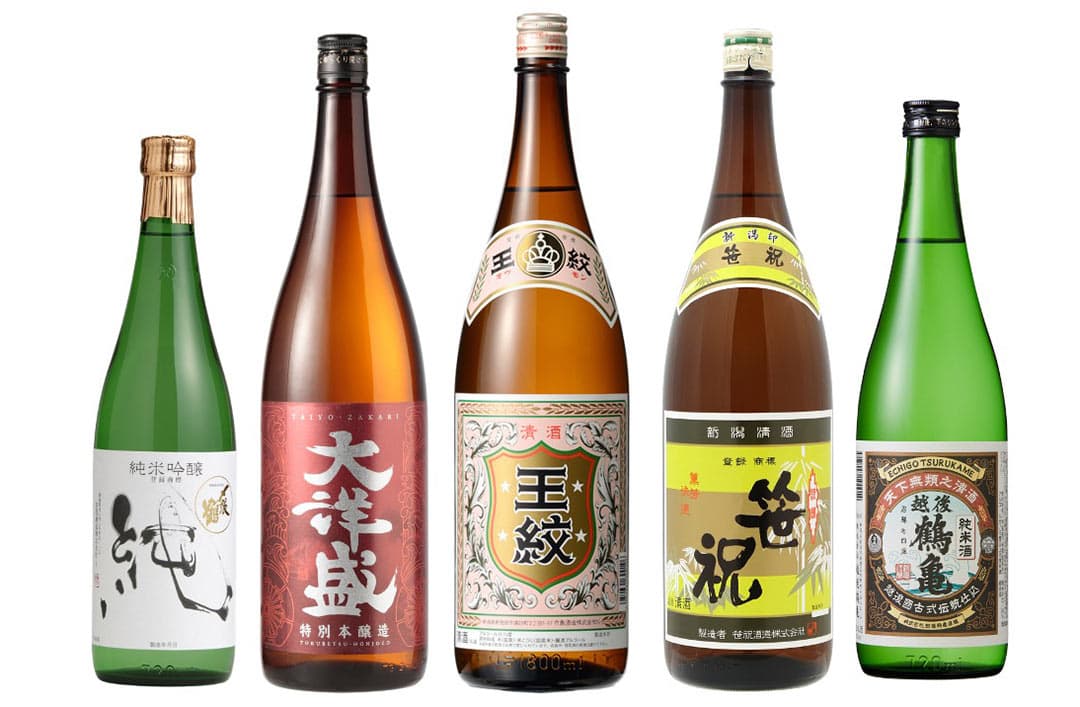
2位:新潟の日本酒 Niigata sake
Niigata sake is famous for being tanrei-karakuchi: light, clean and dry. The prefecture’s rice, water and cold winters make it perfect for brewing. I prefer sweeter sake personally, but I’m happy with any kind!
This style was actually developed from the 1970s onwards; before then, Niigata sake was generally sweeter and did not have a particularly good reputation. In 1984, local breweries established the Niigata Sake School, where employees train for three years while continuing to work. Apparently, it’s the only school of its kind in the world. This sharing of knowledge helped turn Niigata into one of Japan’s best-known sake regions.
3位:へぎそば Hegi soba
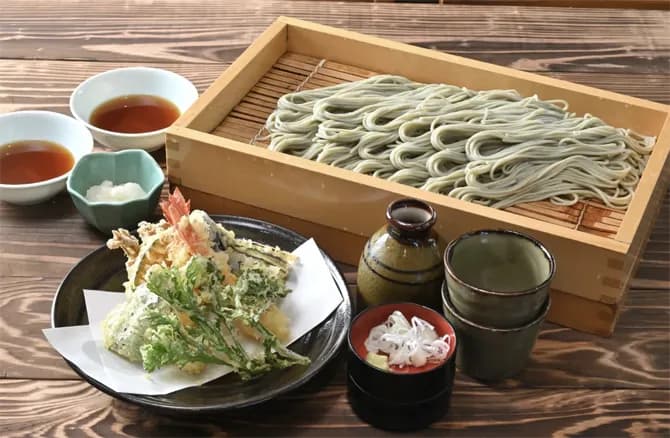
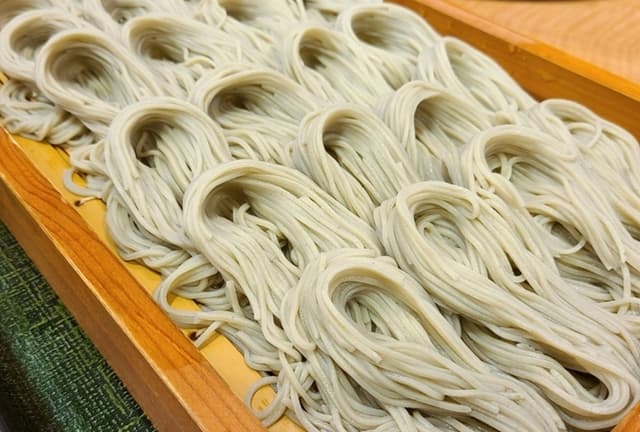
Hegi soba uses funori seaweed as a binder, giving the noodles a smooth surface and strong, elastic texture. They are arranged in neat, mouthful-sized portions across a rectangular wooden tray called a hegi.
The idea came from the local textile industry, where funori was used to strengthen threads. Since the seaweed was readily available, people tried using it to make soba. It is also traditionally eaten with mustard instead of wasabi, since wasabi was difficult to obtain in the Uonuma region.
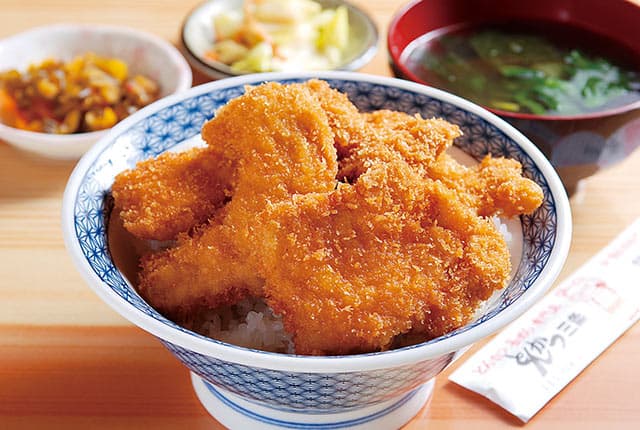
4位:たれカツ丼 Tare katsudon
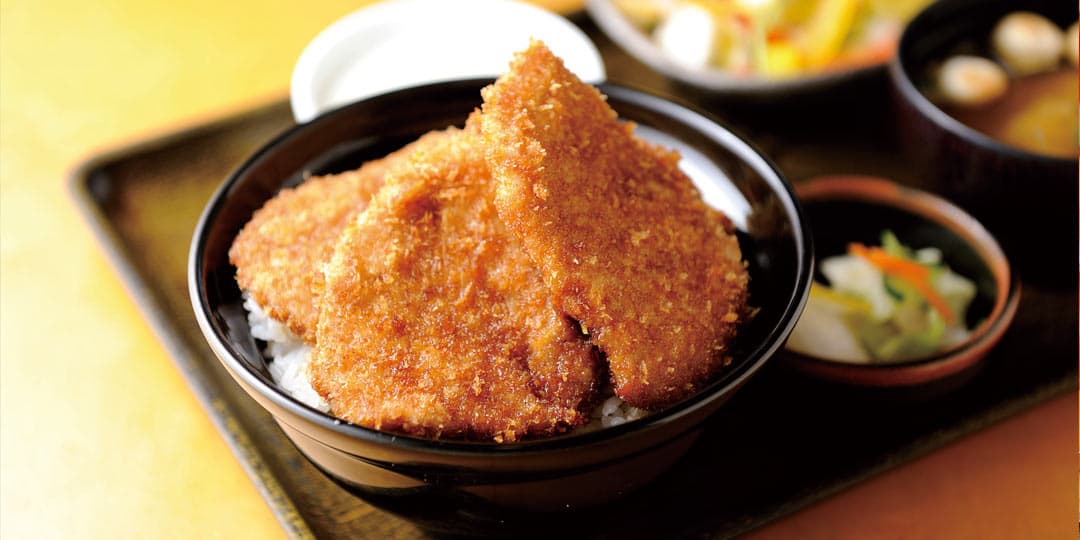
We’ve only just left Aizu’s sauce katsudon, and now we have another egg-free katsudon! Thin pork cutlets are dipped in a sweet soy-based sauce and placed directly on rice. Unlike the Aizu version, there is normally no cabbage, allowing the sauce to soak straight into the rice. It sounds excellent.
It is said to have been created around 1930 by a street vendor in Niigata City. Pork cutlets were then considered a modern Western dish, and he adapted them by dipping them into Japanese-style soy sauce. Locals simply called it katsudon; the name tare katsudon became widely used much later to distinguish it from other versions.
10 Likes
Great, we made it. Our next stop is Nagano, which costs 19,030 yen to get to. That makes our next target 96,640 yen. Let’s go!
9 Likes
¥79,359 + 300 (reviews) = ¥79,659
6 Likes
¥79,659 + 250 = ¥79,909
6 Likes