
¥20,976 + 88 = ¥21,064
10 Likes
¥21,064 + 500 (reviews from today and yesterday) = ¥21,564
8 Likes
水木金
48 (BP) + 69 (WK) + 162 (Anki) + 15 (日記) + 315 (漫画) = 609
21,564 + 609 = ¥22,173
9 Likes
Here’s my paycheck for this day:
¥ 22,713 + ¥ 148 (BP and WK) = ¥ 22,861
9 Likes
22,861 + 314wk + 224bp = ¥23,399
9 Likes
¥23,399 + 459 reviews + 75 (15pages of また、同じ夢を見ていた) = ¥23 933
9 Likes
¥23933 + 172 reviews = ¥24105
9 Likes
¥24105 + 275 (reviews) + 50 (manga pages) = ¥24430
9 Likes
¥24,430 + 134 (Bunpro reviews) + 20 (novel/LN) = ¥24,584
9 Likes
234 reviews + 20 manga pages = 254
¥24,584 + 254 = ¥24,838
8 Likes
¥24,838 + 233 reviews = ¥25,071
8 Likes
¥25,071 + 72 reviews = ¥25,143
8 Likes
25,143 + 156 (BP) + 343 (WK) + 6 (NHK) = ¥25,648
7 Likes
25,648 + 49 (BP) + 5 (WK) + 60 (anime, in Japanese, with Japanese subs) = ¥25,762
7 Likes
2. Aomori
We’ve made it to Aomori, the northernmost prefecture on the island of Honshu. Let’s have a look at what it has to offer.
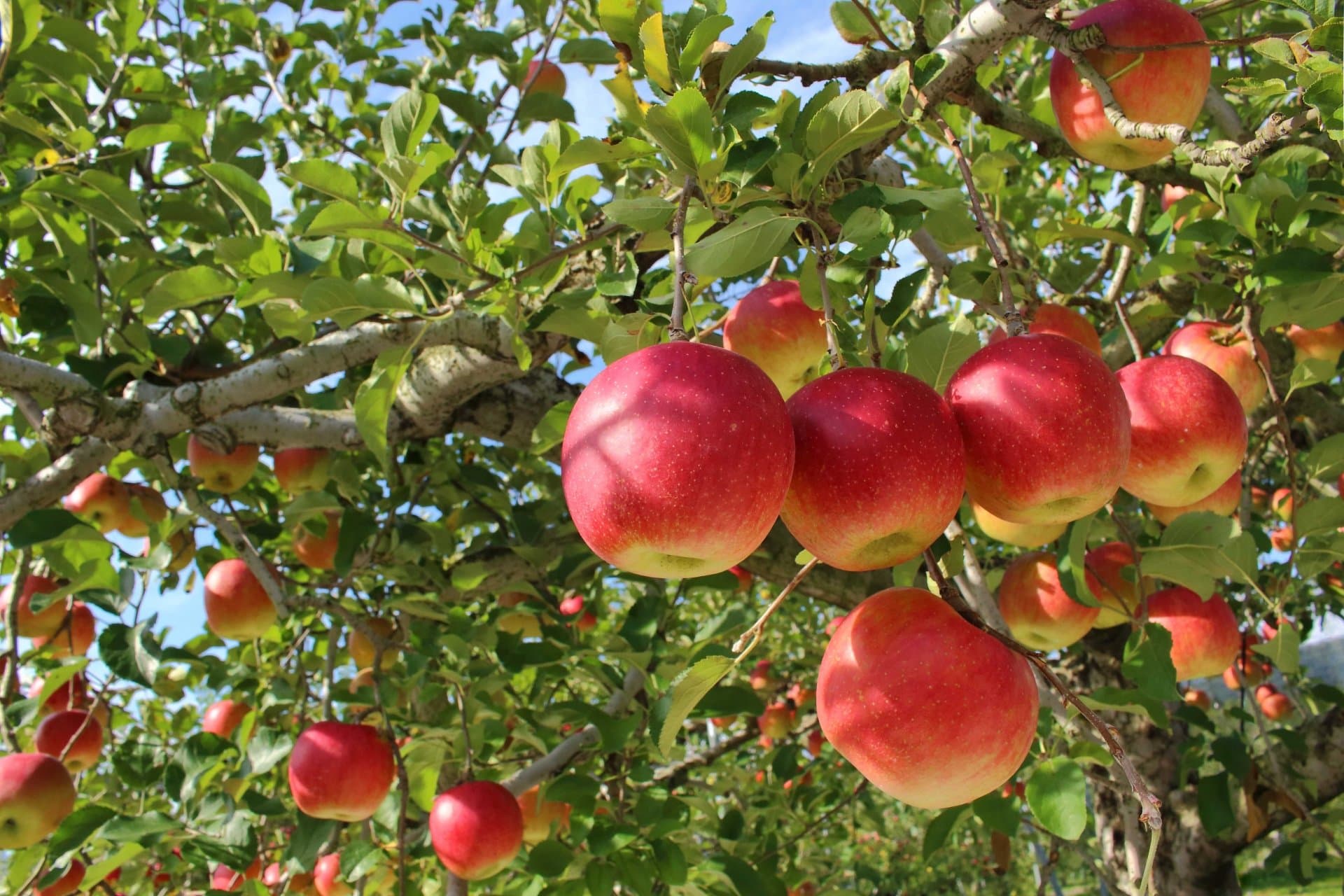
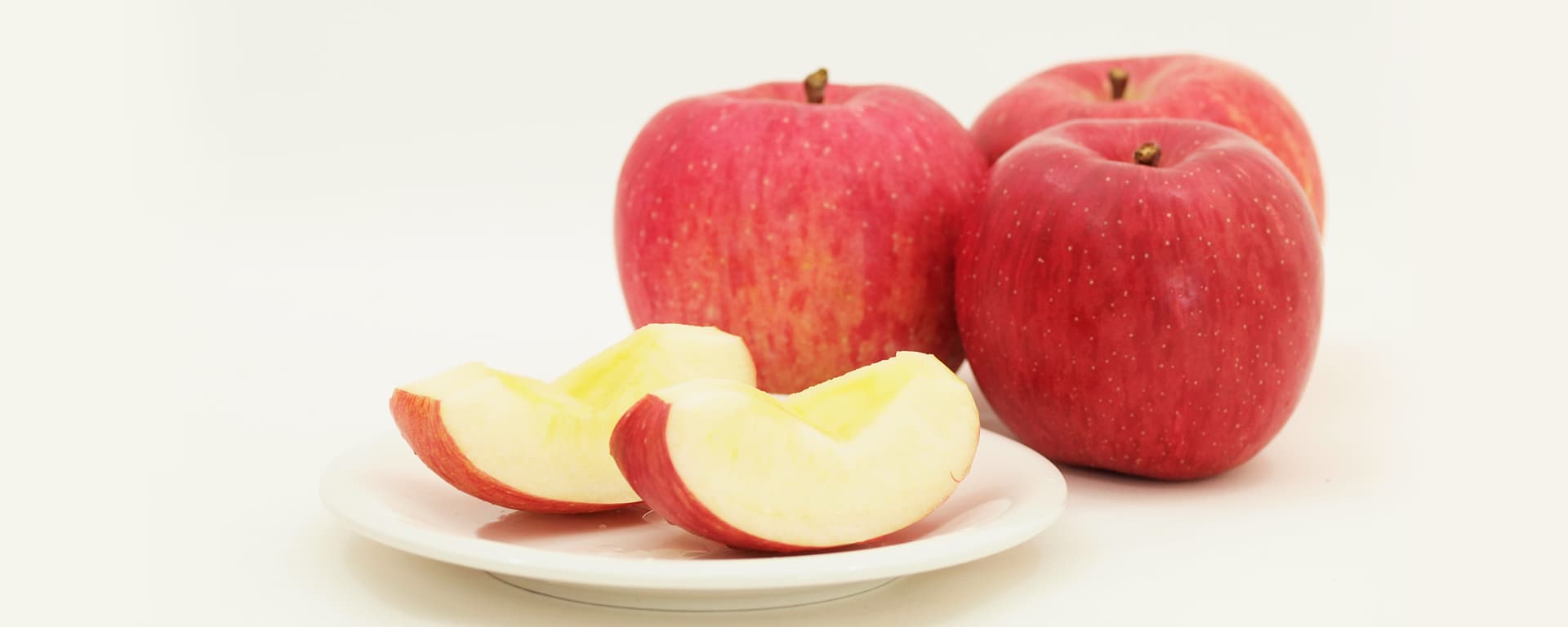
1位:りんご Apples
If you mention Aomori to a Japanese person, the first thing they will think of is apples. Apples are Aomori’s ultra-famous product.
This all started in 1875 when the national government provided three saplings of Western apples to Aomori Prefecture. They were planted, and over the years and generations, farmers improved their techniques, and Aomori apples became the legendary product they are today. Aomori’s cool environment provides the perfect conditions for the apples to grow.
There are plenty of varieties, with the main three being:
Fuji - crisp and juicy
Tsugaru - refreshing and sweet
Orin - sweet and aromatic
From three saplings back in 1875, Aomori now actually produces around 60% of Japan’s apples. Therefore, wherever you are in Japan, you’re likely to come across an Aomori apple somewhere.
2位:大間まぐろ Oma tuna
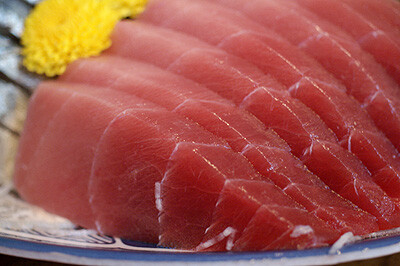
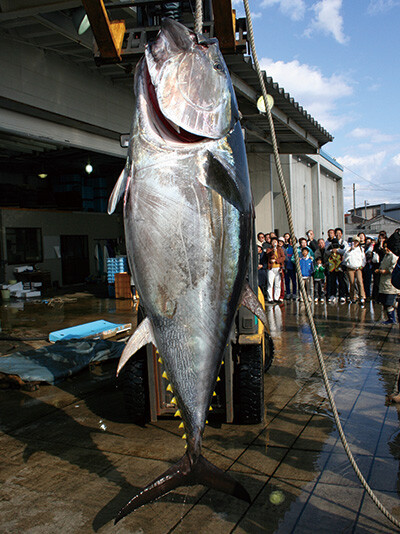
This tuna really is unique to Aomori Prefecture as a regional brand. It refers to wild Pacific bluefin tuna caught in the Tsugaru Strait and landed at Oma. There are plenty of sardines, squid and other prey in the area, helping the tuna develop exceptionally high-quality fat. It isn’t biologically a different species of tuna, but its diet contributes to its highly prized flavour.
The lean meat of the fish has a deep savoury flavour, while the medium-fatty cut balances the savoury taste of the meat with the sweetness of the fat. The fatty cut just melts in your mouth - a definite recommendation, albeit quite expensive.
At this year’s New Year auction, one Oma tuna sold for 510.3 million yen! Of course, this doesn’t reflect the normal market value of the fish; rather, it is culturally symbolic for fish at the New Year’s auction to sell for crazy amounts of money. Theme of our next race, anyone?
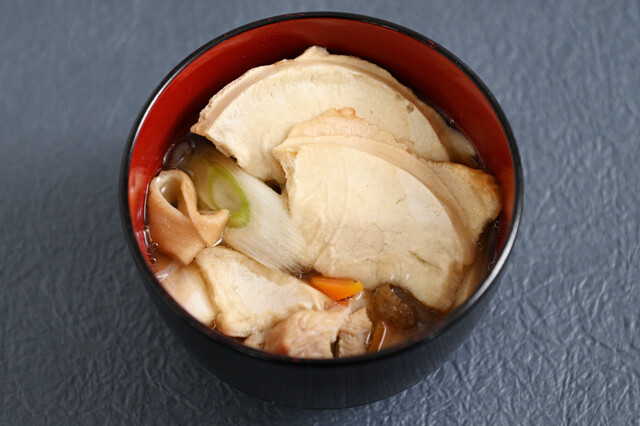
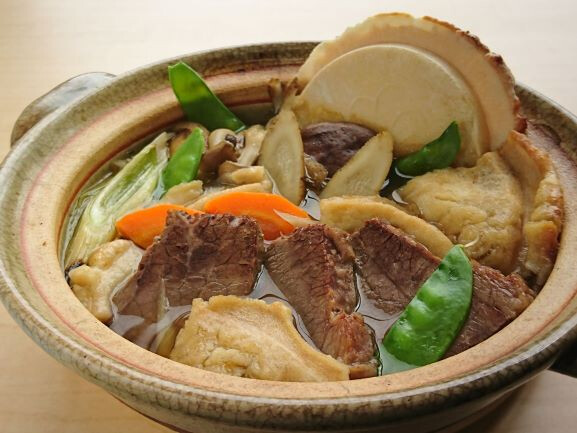
3位:せんべい汁 Senbei-jiru
Despite it being called senbei-jiru, this isn’t just soup with ordinary rice crackers thrown in. A particularly hard wheat-flour cracker called otsuyu senbei is used.
Before the war, there were plenty of crop failures in Aomori because of its cold climate, yet many families had iron moulds for making their own wheat-flour crackers. Instead of eating them dry, they would put them in the soup.
It really takes precision to make this dish, since if the crackers aren’t simmered for long enough, they will remain hard, whereas if they’re simmered for too long, they will just disintegrate. If they are simmered for just the right amount of time, they will absorb just the right amount of stock and have an elastic texture that can be compared to al dente pasta.
20 Likes
Next, we need to get to Akita, which costs 7,880 yen, so our next target is 31,520 yen.
Here we go!
8 Likes
25762 + 77 (reviews) + 3 (manga, very hard) + 66 (anime) = ¥25908
7 Likes
25908 + 84 (bp) + 60 (wk) = ¥26052
7 Likes
¥26052 + ¥24 = ¥26076
7 Likes
¥26076 + ¥38 = ¥26.114
7 Likes