
¥32,181 + 61 Reviews = ¥32,242
9 Likes
14 (BP) + 13 (WK) + 63 (Anki) + 9 (日記) + 145 (漫画) = 244
32,242 + 244 = ¥32,486
9 Likes
32,486 + 172 reviews + 5 (listening) + 4 (reading) = ¥32,667
EDIT: +22 from dylanglaze that was accidently missed a little bit back = ¥32,689
9 Likes
32 689 + 170 reviews + 20 (novel) = 32 879
8 Likes
3. Akita
OK, we’ve made it to Akita very quickly! I think I’m going to struggle keeping up with this race!
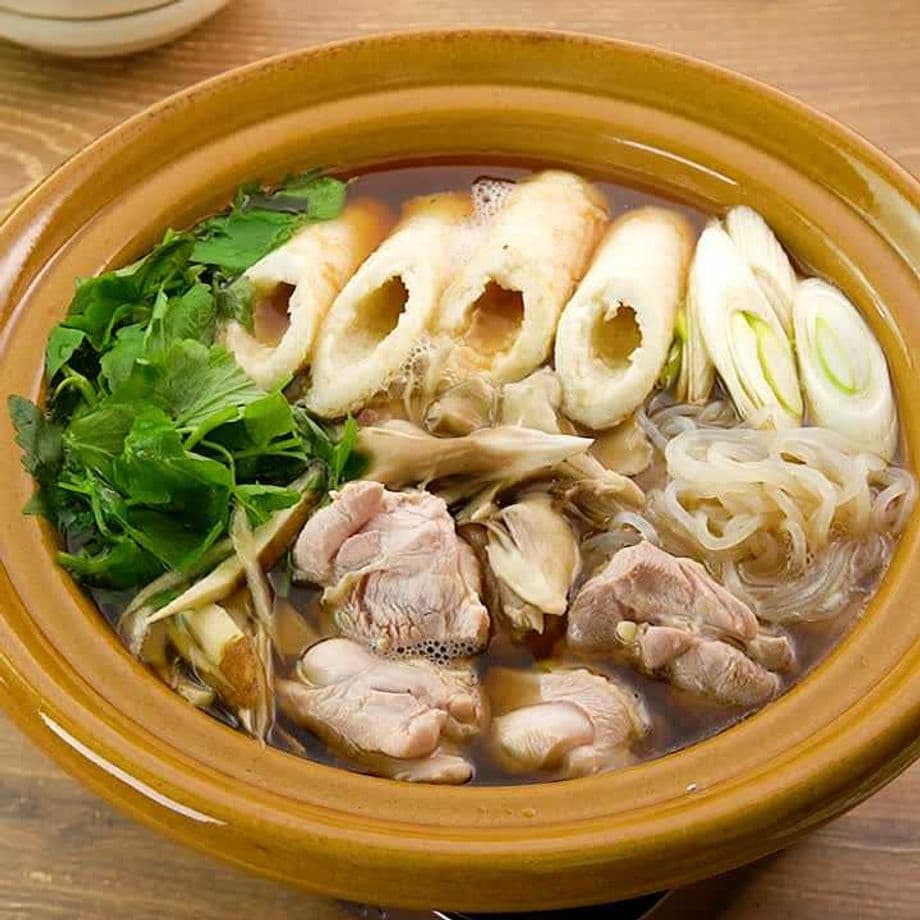
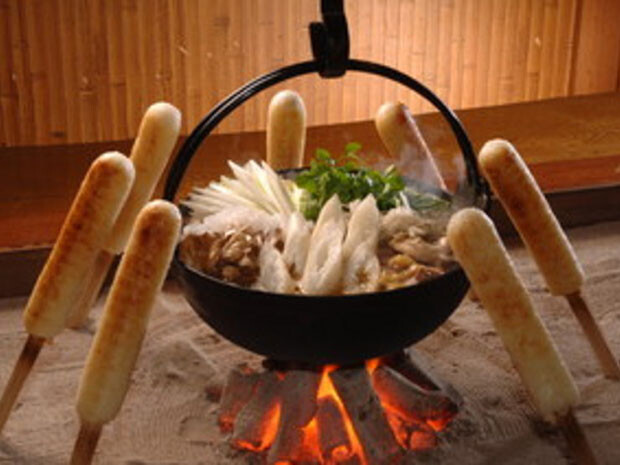
1位:きりたんぽ鍋 Kiritampo hotpot
I actually had this in Akita a few weeks ago, while I was on my week-long Tohoku drive. It was absolutely delicious. Kiritanpo is basically pounded rice that is moulded around skewers and toasted over charcoal. You may be thinking that it’s like mochi, but it’s not pounded so much as to give that elastic mochi texture. Actually, many of the grains of rice remain intact, so it gives a much more delicate consistency than mochi. This is called ‘hangoroshi’ (半殺し).
Traditionally, the soup has a soy sauce base and includes chicken and plenty of vegetables. It works particularly well in winter, when Akita is snowy and cold.
2位:稲庭うどん Inaniwa udon
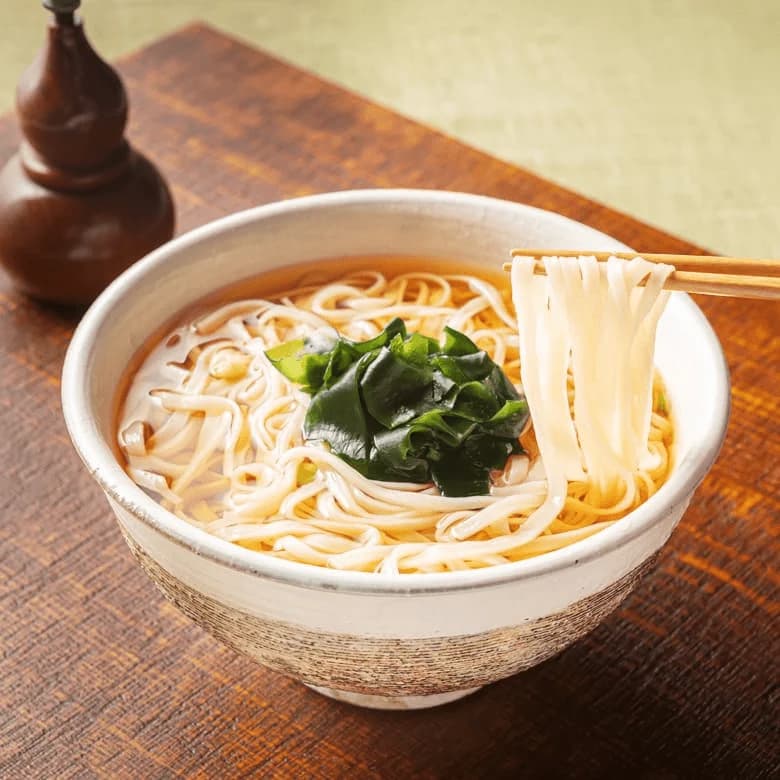
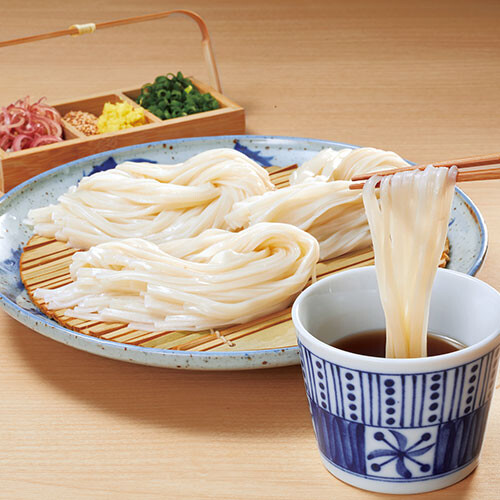
This kind of udon has about 350 years of history in Akita. The method for producing it was kept as a closely guarded secret right up until 1972, when it was made public to help local industry. Now, it’s nationally available.
To make it, wheat flour is repeatedly kneaded and rested. Two rods are used and the dough is stretched around them in a figure-eight motion. It is gradually stretched to around 120 centimetres and then dried. The constant stretching makes the noodles extremely thin.
It can be served both hot and cold. Served hot, the thinness of the noodles means you can get a full taste of the broth with more surface area catching more broth. Served cold, the firmness of the noodles is accentuated.
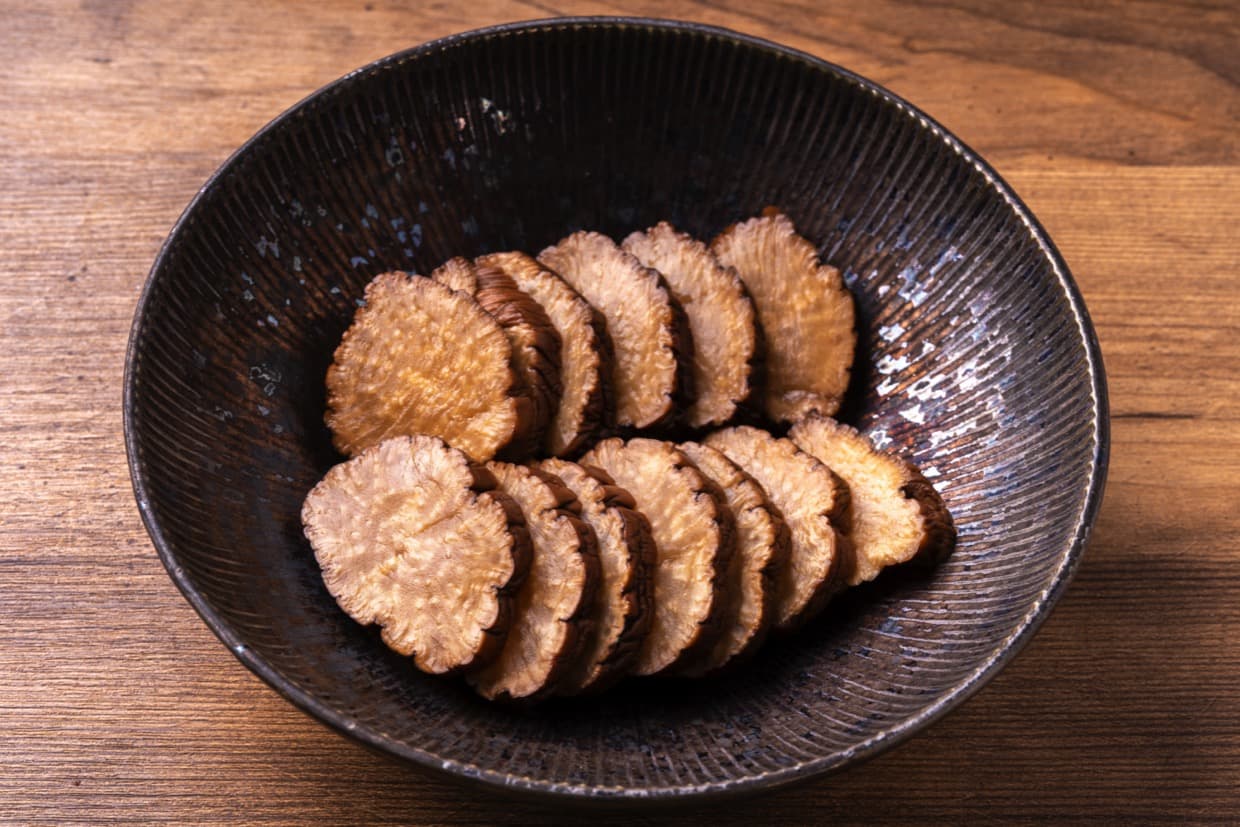
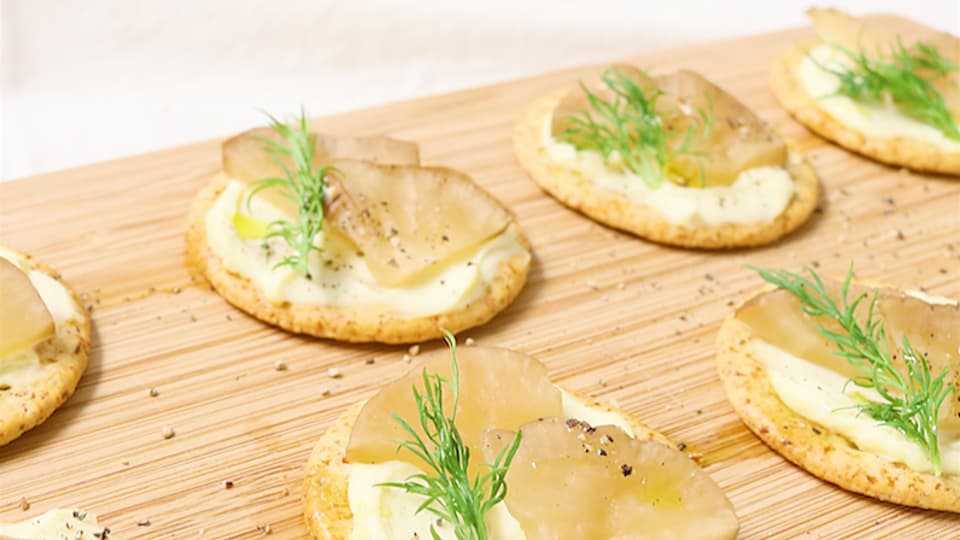
3位:いぶりがっこ Iburigakko
This is another one that I ate a few weeks ago when I was in Akita. I love iburigakko, and didn’t actually discover it until a couple of years ago. I’m not usually big on pickles, but these are a major exception for me.
‘Iburi’ means ‘smoked’, and ‘gakko’ is an Akita dialect for ‘pickles’. White-necked Japanese radishes (daikon) are smoked and then packed into barrels with rice bran, salt and sugar, and left to ferment.
The result is a wonderfully crunchy texture and smoky taste that goes brilliantly with a beer!
16 Likes
Our next stop is Morioka, the capital of Iwate Prefecture. It costs 6,600 yen to get there from Akita, so our new target is 38,120 yen. LET’S GO!
10 Likes
32879 + 145 (wk) + 344 (bp) + 10 (novel) + 25 (video) = ¥33,403
489 reviews in one day 😵💫😑
I’m fried, although I’d like to get used to doing 400 bp reviews + my left over wk reviews each day.
9 Likes
¥33,403 + 142 wk = ¥33,545
10 Likes
¥33,545 + 39 (bp) + 2 (wk) = ¥33,586
9 Likes
I’ve decided to contribute the day after, as I never know when I’ll decide to go through some reviews or study throughout the day!
Therefore, here’s a small contribution from yesterday’s reviews. I’ll have much more from today to share tomorrow!
¥33,586 + ¥20 (BP) + ¥77 (WK) = ¥33,683
10 Likes
33,683 + 149 (BP) + 344 (WK) = ¥34,176
10 Likes
34,176 + 156 = ¥34,332
9 Likes
34,337 + 57 (bp) + 39 (wk) = ¥34,433
9 Likes
¥34.433 + ¥115 = ¥34,548
9 Likes
¥34,548 + ¥29 = ¥34,577
10 Likes
¥34,577 + 11 (reviews) + 2 (graded read) = ¥34,590
9 Likes
¥34,590 + 33 = ¥34,623
10 Likes
34 623 + 35 = 34 658
10 Likes
34 658 + 102 (reviews) = ¥34 760
11 Likes