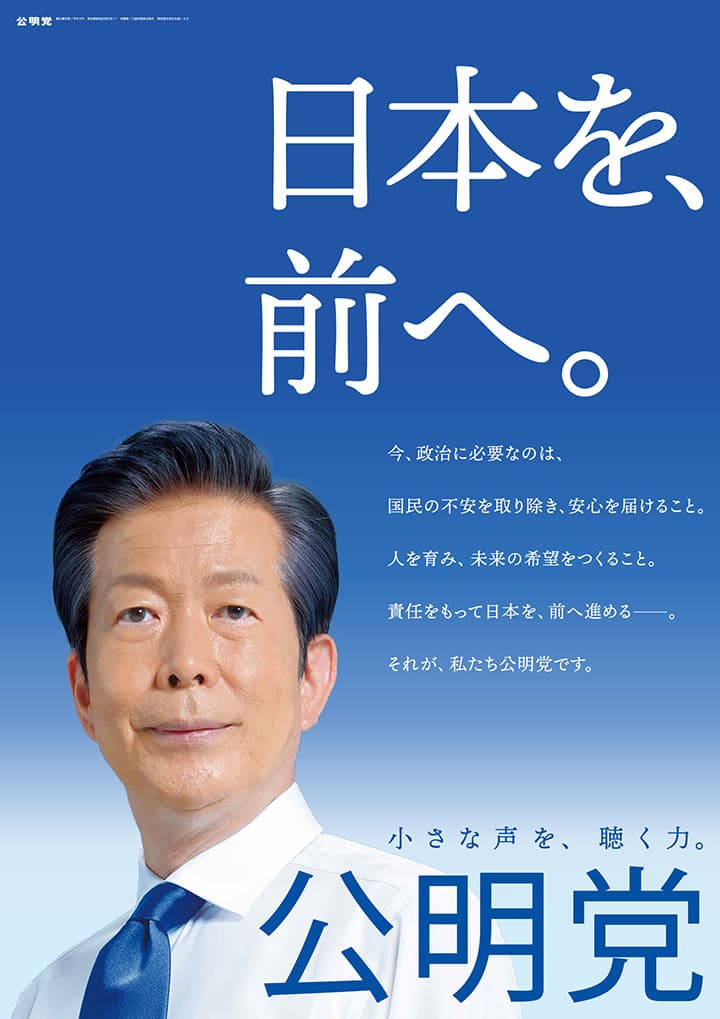
One additional example from Panasonic slogan: 「幸せの、チカラに。」
Omission of subjects/particles seems to have more coverage in English web resources, so I have included a summary of common verb omissions (Previously deleted, but confirmed source paper is open access on J-Stage).
MASAKI MURATA, MAKOTO NAGAO
Resolution of Verb Phrase Ellipsis in Japanese Sentences using Surface Expressions and Examples, Journal of Natural Language Processing, 1998, Volume 5, Issue 1, Pages 119-133, Released on J-STAGE March 01, 2011, Online ISSN 2185-8314, Print ISSN 1340-7619, https://doi.org/10.5715/jnlp.5.119, https://www.jstage.jst.go.jp/article/jnlp1994/5/1/5_1_119/_article/-char/en,

文末に動詞が欠けている文の分類
Classification of Sentences Missing Verbs at the End
1. 補完される動詞がテキスト内 The verb to be supplemented is within the text
    • 同一文(Same sentence)
        ◦ 倒置文(Inverted sentence)
            ▪ 「誰ですか、来たのは」"Who is it that came?"
    • 前方の文(Previous sentence)
        ◦ 疑問応答(Question response)
            ▪ 「何を壊したの」 "What did you break?"
            ▪ 「これを」 "This."
        ◦ 理由・逆接・仮定(Reason, contrast, hypothesis)
            ▪ 「明るいね。電気をつけたから」 "It's bright. Because I turned on the light."
        ◦ 補足(Supplement)
            ▪ 「なくしものをした。鍵を」 "I lost something. The key."

2. 補完される動詞がテキスト外 The verb to be supplemented is outside the text
    • 疑問文(Question)
        ◦ 「名前は」"Name?"
    • ダの省略(Omission of 'da')
        ◦ 「わたしは学生」"I am a student."
    • スルの省略(Omission of 'suru')
        ◦ 「コーヒーをお願い」"Coffee, please."
    • その他(常識による補完)(Other)
        ◦ 「そううまくいくとは」"That it would go so well..."