新しい計画
新たな計画
Both mean new plan (I think).
Is there any logic behind would you use one over the other? (My brain is defaulting to 新しい as it’s the older word I learnt)

新しい計画
新たな計画
Both mean new plan (I think).
Is there any logic behind would you use one over the other? (My brain is defaulting to 新しい as it’s the older word I learnt)
You can think of 新たな as “brand new”, something somehow significantly different from old version. I feel like there is a qualitiative different when you use 新たな. At least that’s what I think when I see it but I don’t have any proof or reference for you, so it would be better to wait for more responses.
How does this work for other combinations, such as:
おおきい / おおきな
ちいさい / ちいさな
At a very basic search there seems to be a couple of paired versions like this. Apart from being an い adj vs な adj, is there a broader difference?
I did find that adjectives ending in い can be used at the end of a sentence (though it didn’t give an example, so I’m not sure how that works), whereas な-ending adjectives seems to be more used in writing as opposed to speech.
Ok just noticed the original post was from '24.
Somehow this appeared in my feed, i.e. I didn’t go searching for it? I just went to community and looked at the first x posts and this came up.
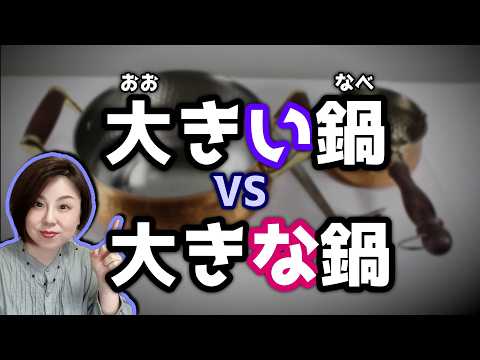
My favorite “N1-Level” YT channel covered this one and other similar “this vs that” topics in comprehensible detail.
Somehow this appeared in my feed, i.e. I didn’t go searching for it? I just went to community and looked at the first x posts and this came up.
Yeah, the forum software here is a bit silly - recommends ancient posts all the time. I wouldn’t worry about necro-ing them, though, as the topics will always be relevant to learners.
Also it’s interesting as the post writer to see what I was worrying about at a particular moment in time. I have to say that things like this are consigned to the folder marked “reasons why I will never sound natural in Japanese” but thats okay, so long as I can communicate effectively.
For people still looking for the answer :
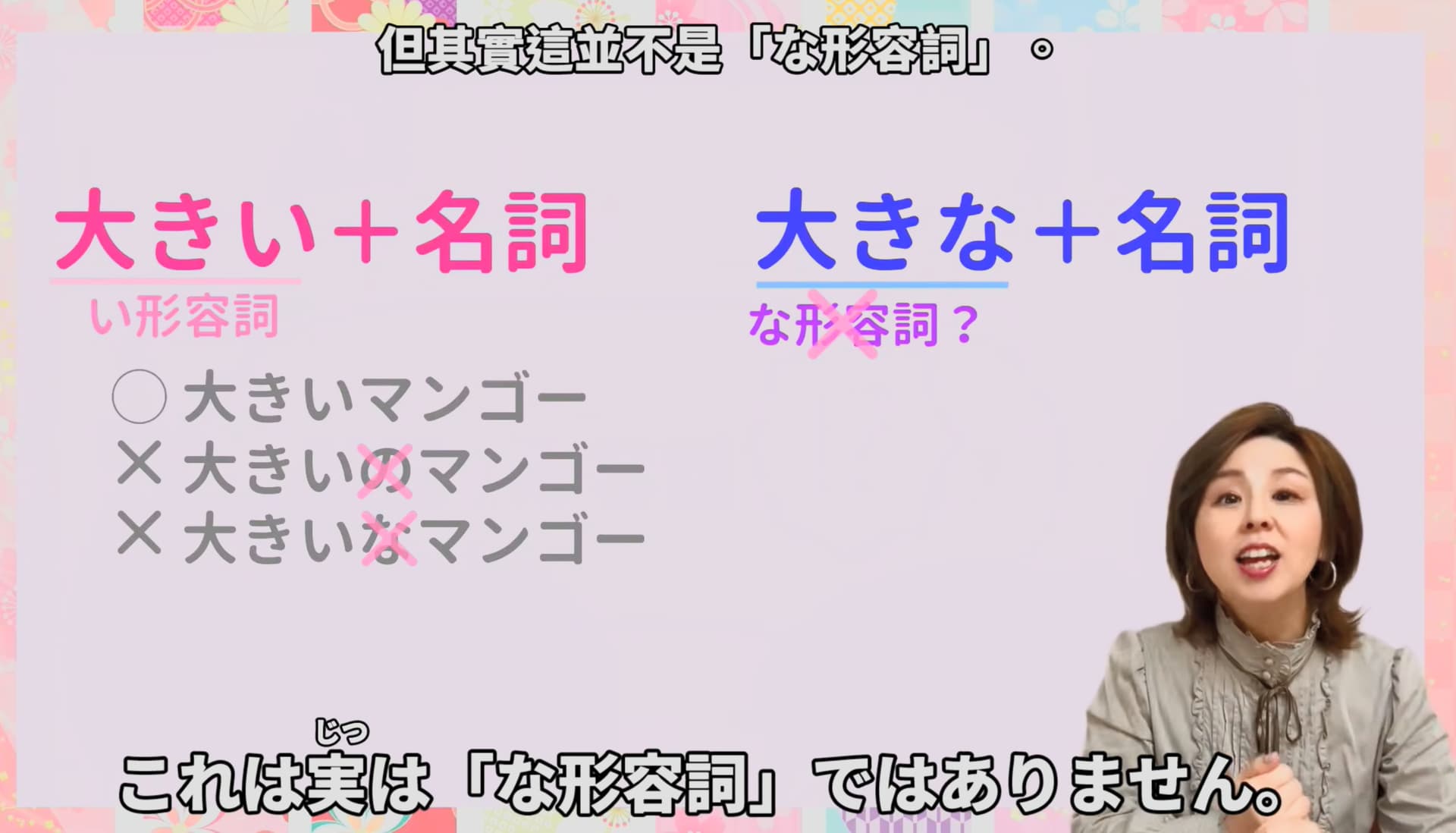
新しい is a い adj, 新しな is not a な adj.
Usually, い adj can take the な at the ending.
In 新しい’s case, it becomes (あらた)新たな which is a な adjective.
Both came from historical あらたし that orally is a bit challenging to say.
Still, it’s the same as 大きい 大きな 小さい 小さな.
Both have the kanji 新, but the later doesn’t “conjugate” as a な would :
End of sentence adj → 新しいです is correct but 新たなです isn’t
It’s a 連体詞 (modify a noun, no conjugation, don’t take a predicate).
Though, you’ll find it listed as a な too, because of how it came to be (adnominal of 新た).
This is a case where the other “form” if we can call it that way is considered ancient, used in novels and formal speech. Opposite to examples I’ll give you after this.
Interchangeable as long as you stay in the ADJ + NOUN pattern :
新しい本です。
新たな本です。
You can see it as である, which is also considered formal and can be found in novels, while most textbooks will show you です だ.
Many jp in the comments section of linked video said they didn’t know the rules, and the best i’ve seen to sum it up is : ending in な an い adj focuses more on the noun itself, and is more subjective. Hence, asbtract and more casual.
By opposition, い focuses on the adjective itself, and is objective. Hence, precise/more visible and a bit formal.
森の小さなレストラン cute, putting it here 'cause i know most of us have seen it or heard it
大きな友情 A friendship cannot be measured in centimeters, but it can be big, great and funny, but YOUR friendship to someone isn’t a thing i can picture in MY mind. When you speak of said friendship to me, i can feel your emotions.
大きいかばん A bag can be measured, is a very visible thing and has no emotion behind it, you’re simply describing it.
Hope it’s a bit clearer
Ah sorry on the 新た one, I meant 新しな (doesn’t exist). I will correct that part, thx
As for 大きな, I didn’t make the mistake though ?
I’ve written about ending it in な, not using a な形容詞
The way you worded this, it sounds as though the jp (Japanese commenters) thought the person who made the video (they) didn’t know the rules (that 新たな is not a な-adjective).
In that way, it seemed like you were putting down the Youtube video / didn’t watch it (as it’s not even about 新た vs. 新しい). Apologies if I misunderstood.