Hey, want some yojijukugo?

I’m playing this visual novel from 1998 called 街 〜運命の交差点〜. It’s a spiritual prequel to 428: Shibuya Scramble, my favorite visual novel I’ve ever played.
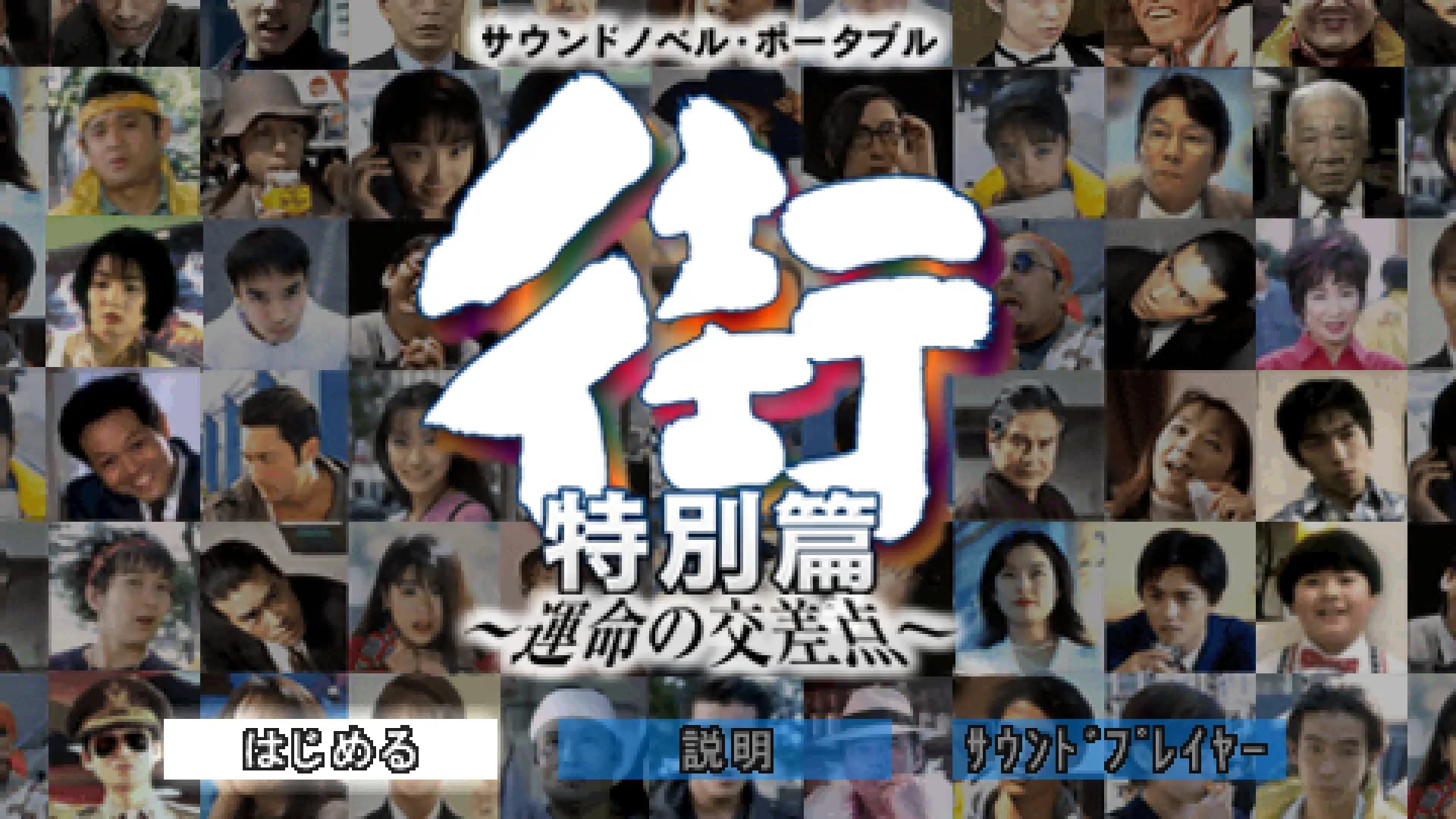
Because the main theme is life in Shibuya, the range of subject matter is extremely wide. This game is excellent reading practice if you’re not fluent and want to get put through your paces, and if you have the patience for 1998 levels of video game quality-of-life. I keep getting frustrated by how much I’ve forgotten, but that’s what learning looks like.

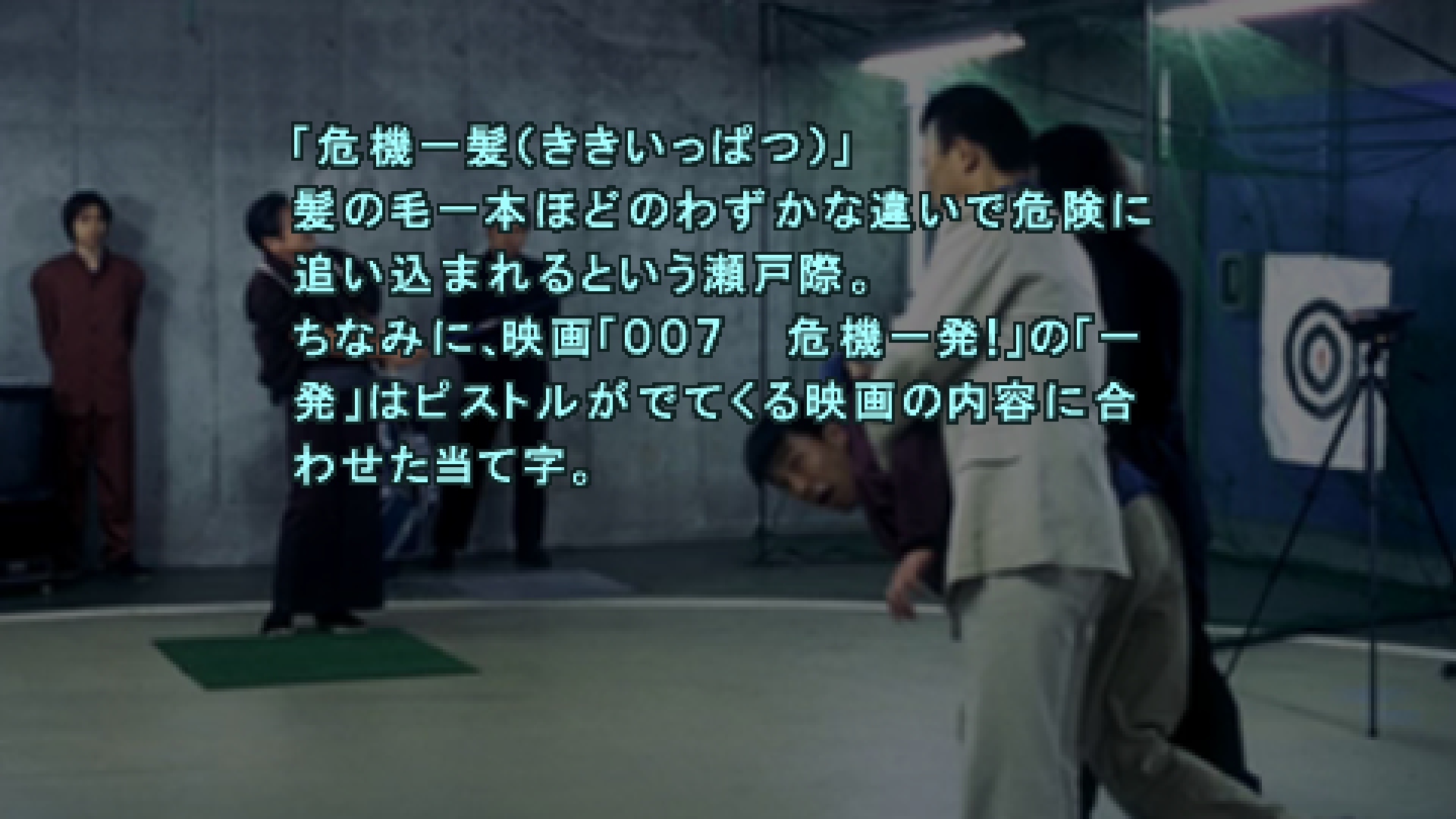
Anyway, there’s this one character who uses a ton of yojijukugo (四字熟語). In one chapter, by my count, he uses 82 (not counting one he made up, which I left out). Other characters use at least five more (I missed some of theirs). I wrote them down out of sheer curiosity. I thought they might interest you too:
千客万来、正真正銘、小人閑居、前代未聞、夜郎自大、
猿猴取月、大安吉日、敬天愛人、閑雲野鶴、白面書生、
貧者一灯、浅学非才、温故知新、臥薪嘗胆、孟母三遷、
変幻自在、一意専心、三位一体、一目瞭然、言語道断、
無知蒙昧、空前絶後、紆余曲折、驚天動地、刻苦勉励、
六根清浄、心頭滅却、一気呵成、読書百遍、熟読玩味、
孟母断機、断根枯葉、前途洋々、独立独歩、心機一転、
会者定離、射石飲羽、点滴穿石、一知半解、我田引水、
羽化登仙、傾蓋知己、清廉潔白、笑止千万、綱紀粛正、
門前雀羅、門前成市、勢利之交、事実無根、青天白日、
無欲無私、常住座臥、先祖伝来、無礼千万、天地無用、
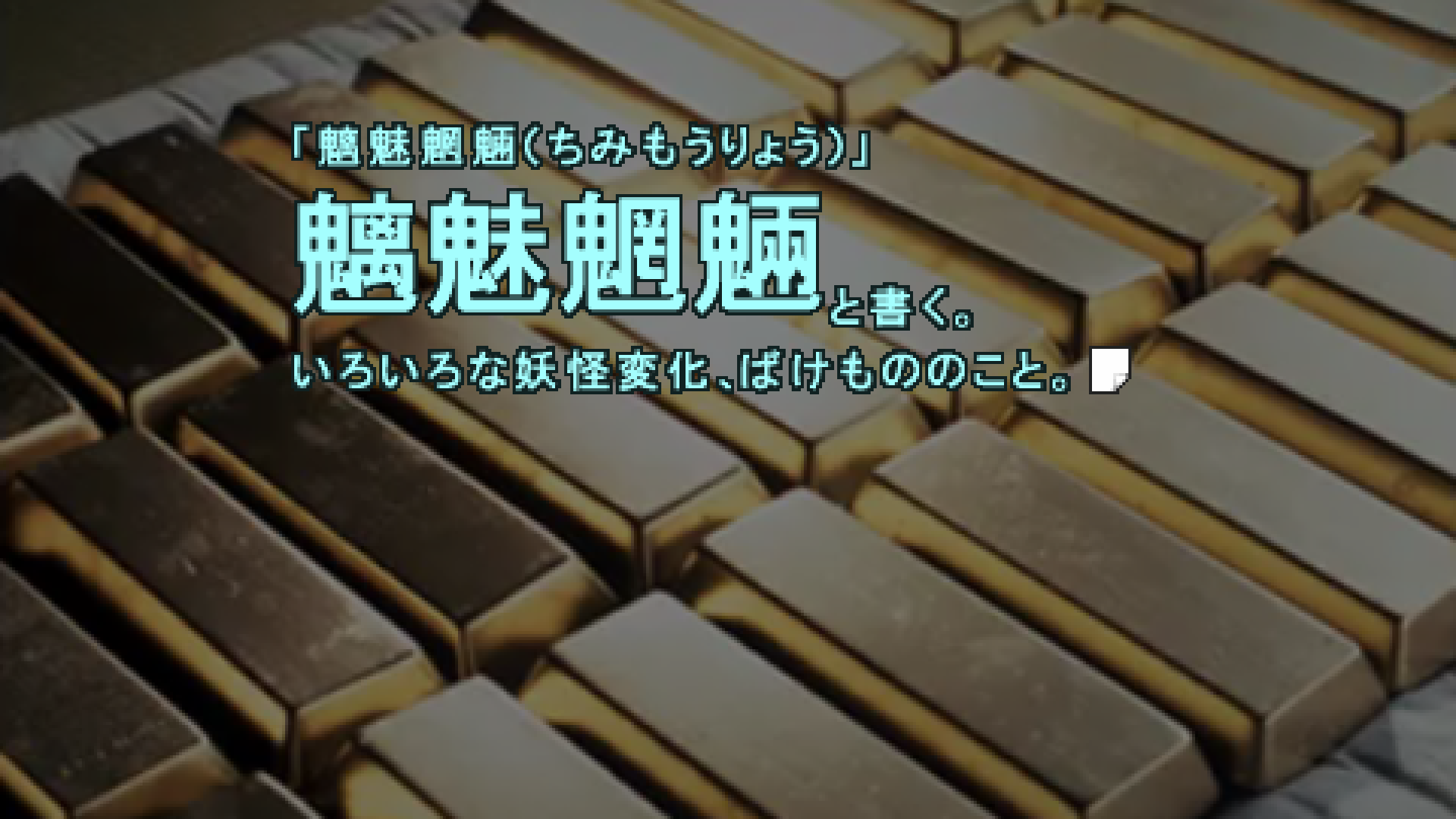
鉄心石腸、頭寒足熱、奇々怪々、跳梁跋扈、魑魅魍魎、
閑話休題、有為転変、諸行無常、自由闊達、洒々落々、
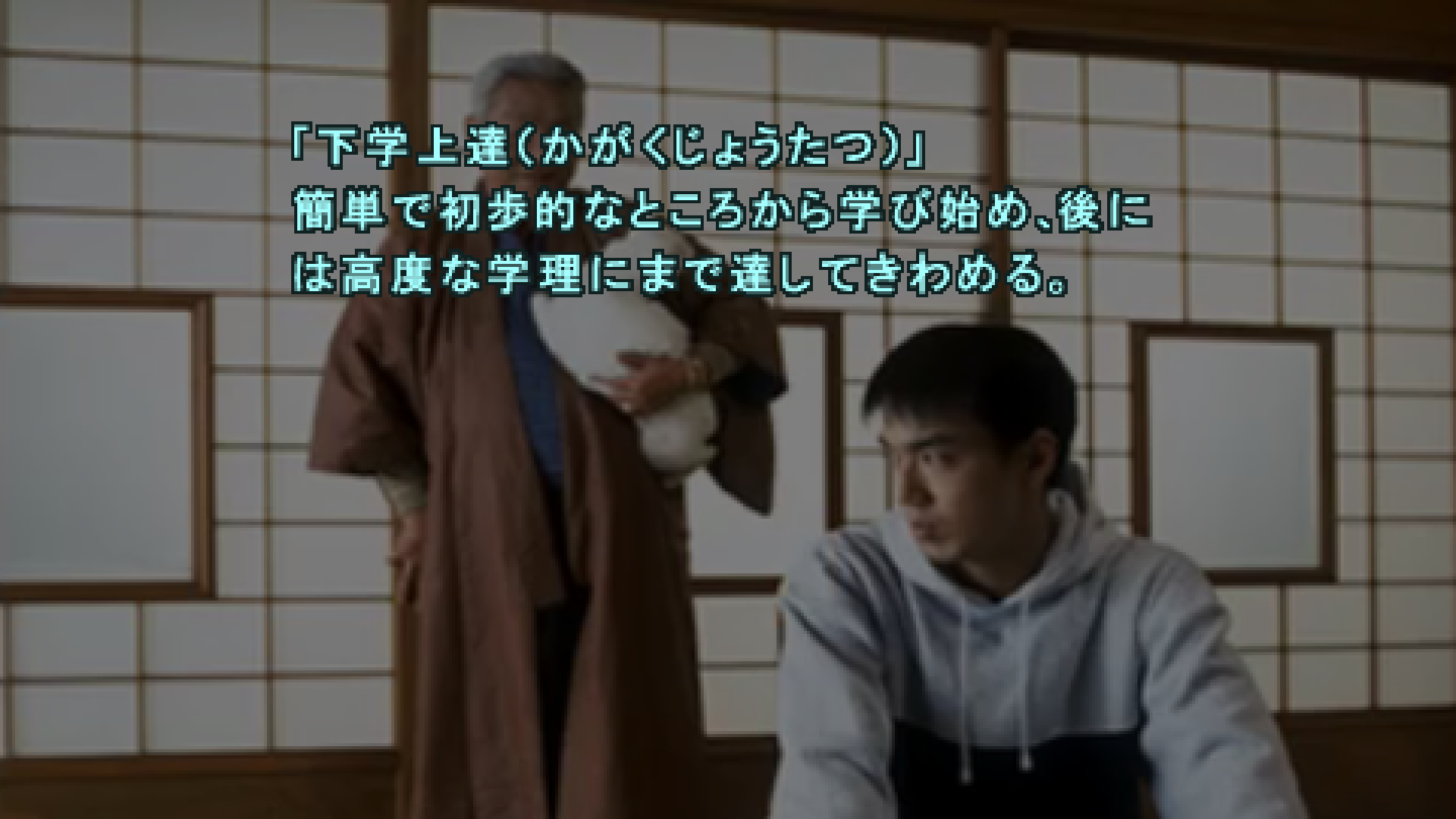
下学上達、沈思黙考、悪事千里、風林火山、色即是空、
傍若無人、波瀾万丈、有象無象、一家団欒、千姿万能、
温清定省、四海兄弟、倒行逆施、光陰流水、他力本願、
空谷足温、一路平安、一日千秋、付和雷同、物情騒然、
文明開化、不言実行。

They don’t all appear in JMdict dictionaries for English speakers, but after searching ◯◯◯◯って四字熟語 several dozen times¹, I did find these two J↔J dictionaries: 四字熟語辞典オンライン; 四字熟語の百科辞典.

The game explains a lot of them too. Like 428: Shibuya Scramble, the text has copious footnotes and asides.
Just thought someone else might find this as interesting as I do. Enjoy!

¹ Not sure if this is obvious to new learners, but throwing some kana into your searches is a good way to filter out Chinese results.
11 Likes

They really like using 千 kanji don’t they?

I’m personally choosing 門前雀羅 because I thought I could read it easily (mistook 雀 for 省). It seems to mean a house in the middle of nowhere, and its 文字通り meaning is like “A sparrow catching net in front of the door?” (It seems to be it?)

Now I also know what does 雀(すずめ•sparrow) means, good that I’ve seen that cover so many times


And also 雀は弱鳥だな〜 so hopefully I can remember that it’s onyomi is じゃく

Hopefully I’ll meet this 四字熟語 someday

3 Likes

https://idiom-encyclopedia.com/monzenzyakura/

This site has a good explanation for 門前雀羅. Completely deserted, no sign of people around.

3 Likes

この記事はすごくいいんだけど、人は四字熟語に興味をあんまり持たないから、門前雀羅を張っているよね

2 Likes

さぁ、仕方がありませんね。残念無念!

2 Likes

Two more in this game:

  • 射石飲羽: With enough effort, one can pierce the hardest stone and swallow the lightest feather.
  • 猪突猛進: Charging headlong and heedless of all else, like the wild boar.

I remember this as “Jack Sparrow!”

3 Likes

If you like yojijukugo, I strongly recommend this book and its part 2 as well!

Very easy to read and simple but fun explanations. Cool topic, I’ll have to check out that visual novel! :grinning_face_with_smiling_eyes:

4 Likes

I have a feeling that like 四字熟語 are like proverbs, really hard to use right in a foriend language, and they are kind of a thing that comes in complect with your granny, and if you don’t have a Japanese granny you 困る

Maybe it’s my assumption based on the thing that I feel like people who are not native in my native tongue look really strange when use proverbs, it’s like to not sound cring with that you have to understand the context really really well. Maybe it also has to do something with my age, and influance of other languages on my brain.

What do you folks think?

That’s been my experience too. I used 出る杭が打たれる when I was talking about how I was bullied in school, but native speakers didn’t think it sounded natural in the context I was using it in. Even though that’s pretty much what the proverb is for!

I’d be interested to hear what you think of it if you do! I’ve been hoping other learners will give it a shot so I have somebody to commiserate with. I thought about making a thread for it but it’s probably too niche.

I wish I had the time and bandwidth to translate it myself, but this would be a ridiculously difficult game to translate. There are a lot of puns and untranslatable verbal quirks. One major plot element is riddles in which the placement of characters is relevant. Even the stroke order of one kanji turns out to be the key to solving one of the threats!

1 Like