I don’t have a whole lot to add beyond what everyone else has already said, but I’ve actually been thinking about this exact question a lot recently.
In my opinion, this is one of the biggest challenges for learners outside of Japan, especially if you don’t live somewhere with a large Japanese-speaking community. Kanji, grammar, and cultural differences are obviously difficult, but finding ways to regularly interact with real Japanese can be just as hard.
What has helped me is trying to create a kind of “artificial Japan” around myself. Not in an extreme way, but just by intentionally replacing little pieces of my normal day with Japanese wherever I can.
For input, I think it helps to mix different types of native content throughout the week:
- Manga
- News articles
- Light novels or books
- YouTube
- Anime
- Dramas
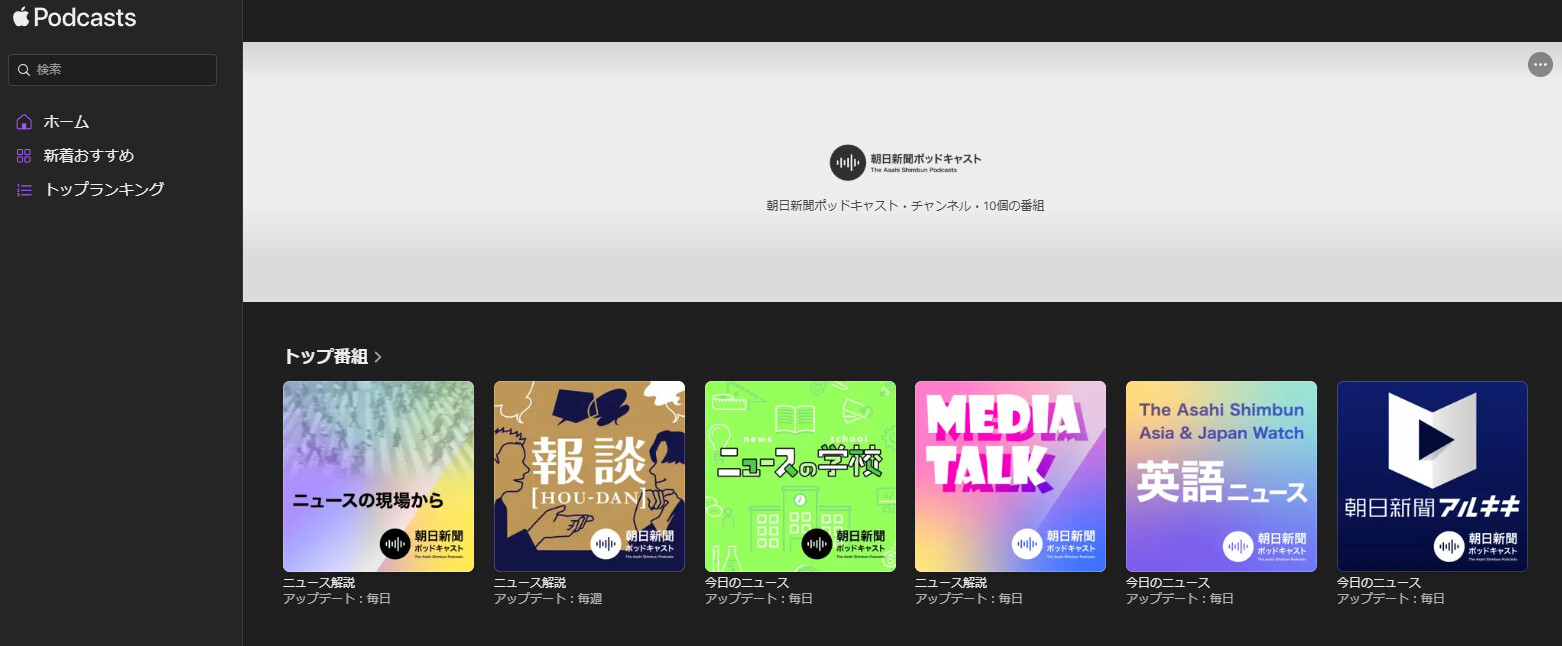
- Podcasts or interviews
I don’t think you necessarily need to do all of these every day, but having a few different sources keeps things from getting stale. I’d especially recommend starting with your actual interests. If you like cooking, fishing, fashion, games, history, travel, etc., look for Japanese content about those things. It makes immersion feel less like studying and more like just living part of your life in Japanese.
For output, I think this is where a lot of learners get stuck. Reviews and input are great, but eventually you need chances to actually use the language. A tutor once or twice a week can help a lot, especially if you go in with a topic or goal. Language exchange apps can also be useful, though they can be hit or miss.
One thing I think is helpful is preparing short speaking prompts for yourself, such as:
- Describe your job
- Explain why you’re learning Japanese
- Talk about your hobbies
- Explain something you know well
- Summarize something you watched or read
Even if you don’t have someone to talk to every day, practicing these out loud can make a big difference.
Changing your phone or computer language to Japanese can help too. The main thing is looking for places where you can realistically reduce English and replace it with Japanese in a sustainable way.