飽くまで(も): JLPT Level?

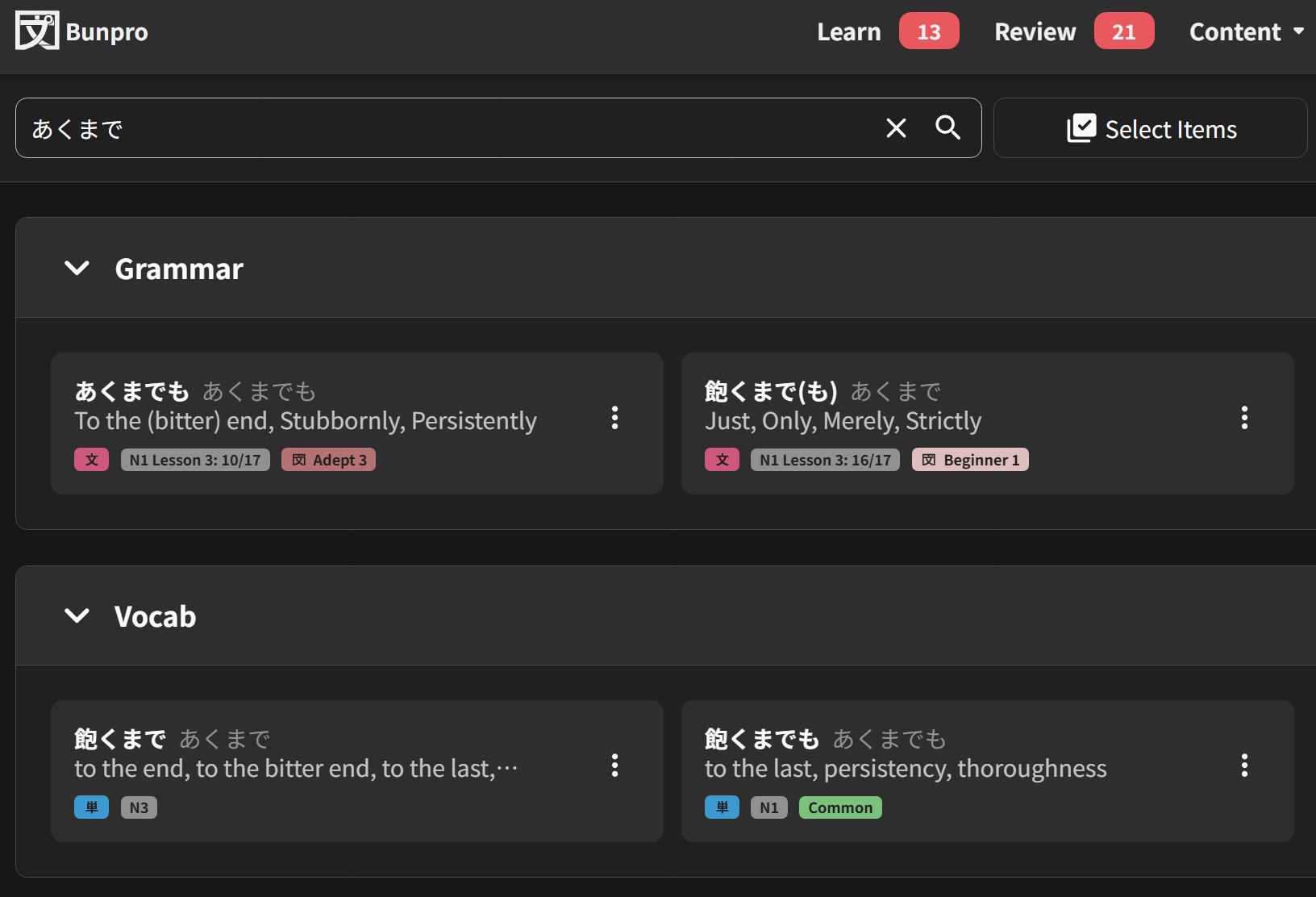
Was doing some lessons and got the second use-case for あくまでも, and when I looked it up I noticed a discrepancy in JLPT level for the “to the end” meaning when learned as grammar versus as vocab.

I assume there’s a reason, but got curious as to why it’s classified as N3 vocab but N1 grammar?

(ignore my reviews, they’re next on my to-do list lol)

2 Likes

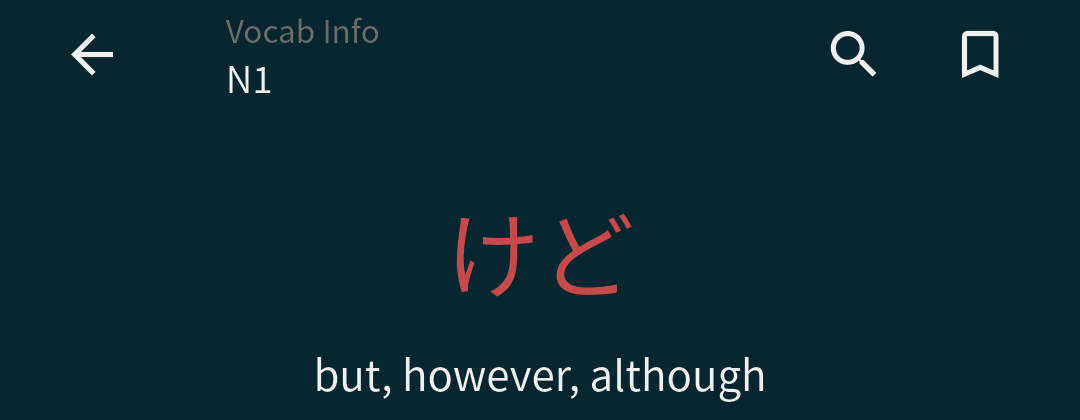
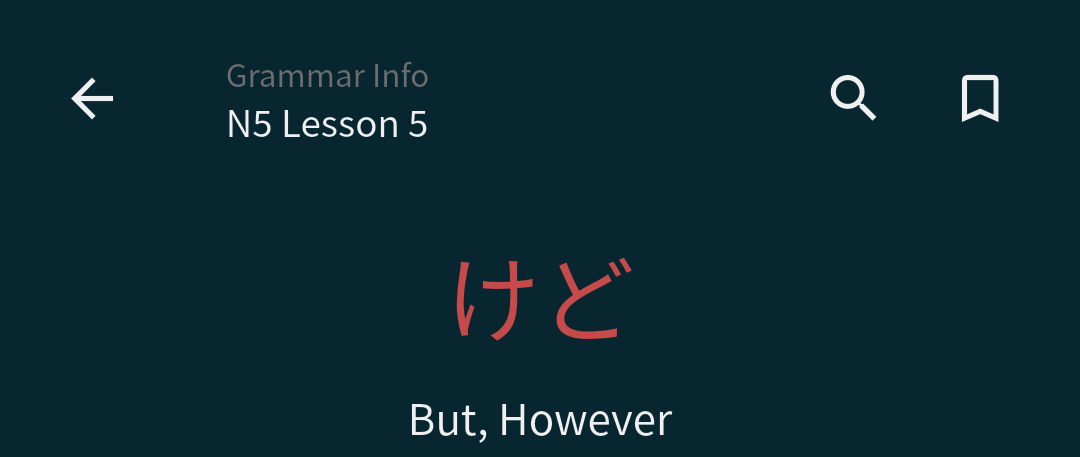
As far as I can tell JLPT categorisation is mostly down to relative frequency in the JLPT tests, but it’s not like there’s been very careful selection of which vocab belongs where. A classic example is けど being an N5 grammar point, but N1 vocab.


I wouldn’t be too strict about staying in JLPT lines, if something is a higher level looks easy then go for it, just don’t overload on it.

Another example is the 12 Zodiac signs are split up across N2 and N1. I think most people would learn these in one batch, like numbers, but they’re not grouped together.

2 Likes

Your example of けど is even more jarring, honestly.
I passed N1 way back in 2021, so I’m really not fussed about what is or isn’t what JLPT level anymore. I’m just going back through all of Bunpro (grammar, not vocab) as a review and to make sure I cover any weird gaps I still have in my grammar knowledge/learn new perspectives for grammar I already know.

I was really more intending for this to be a question for the Bunpro team, as to why this kind of thing isn’t more aligned. I assume it’s something as innocent as it’s just not possible to make sure that every grammar/vocab is perfectly aligned from every angle you may compare them.
I imagined if a new learner who I recommended Bunpro to asked me “Hey, I learned this vocab the other day studing for N3, but why is it listed as N1 level for grammar? I’m not studying for N1, which is it?”, I wouldn’t really know the answer. Just something I was curious about, not super worked up or stressed over.

2 Likes

I haven’t gone through the N1 grammar yet here, but is it possible that it’s an unusual meaning? In studying in other locations, I sometimes find that previous easy vocab/grammar shows back up later on with a new, more obscure or less standard meaning.