
The N1 grammar 故に is a bit of a mess in terms of construction patterns, since it has many slightly different variations for different parts of speech and depending on what follows it.
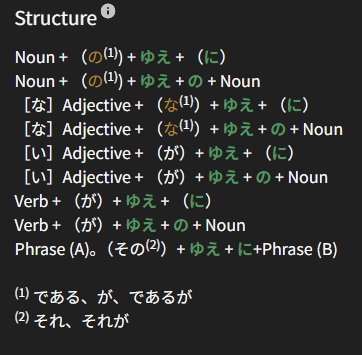
The review sentences seem to sometimes accept some patterns and not others, e.g. sometimes attaching the に at the end is accepted and sometimes not, sometimes preceding ゆえ with の or が or the like is accepted, sometimes not. The native intuition for what sounds right in those examples is beyond me at the moment, but that’s not my major concern.
While reviewing, I came across the example sentence
私はあなたを愛しているので、あなたが過去に若さ___過ちを犯してしまったことを受け入れます。
The answer(s) that Bunpro accepts are the variations of of (_・の・が・である・であるが)+ ゆえ + の, but not anything ending with に.
So my question is if there’s any underlying logic or reasoning to reading this only as
[若さ故の過ち]を犯してしまったこと…
and not as
若さ故に[過ちを犯してしまった]こと…
In the first reading, 若さ故の modifies 過ち to create the noun phrase “mistake due to youth” and the section of the sentence becomes something like “that you committed a [mistake due to youth]” whereas in the second reading 若さ故に acts as an adverb modifying the clause 過ちを犯してしまった, making the section of the sentence something like “that, due to youth, [you committed a mistake].”
Is that right? Is it simply the case that the adverb reading sounds unnatural? If so, is that always the case in general? Or perhaps not in general, but at least for 故 it’s the case that noun modification sounds more natural when it’s a possibility?
Thanks in advance!