
Pitch Accent and Anki

Hey everyone,

perchance this is if not the then one of the most controversial topics in the japanese learning community for a long time. It’s not even needed to learn pitch accent, drawing from other sources and having lived in Japan, if japanese people want to understand you, they will, no matter how exotic your (pitch) accent might be - if they don’t want to, you could even be a non-ethnic-japanese-native speaker and they will not get you. Having established that disclaimer, I’ll proceed to my question.

I thought it would be nice to learn pitch accent, as established I think its not necessary, but nice to have.
I didn’t want to allocate more time to seperately learn it however, so I didnt - except for watching Dogen sometimes maybe…
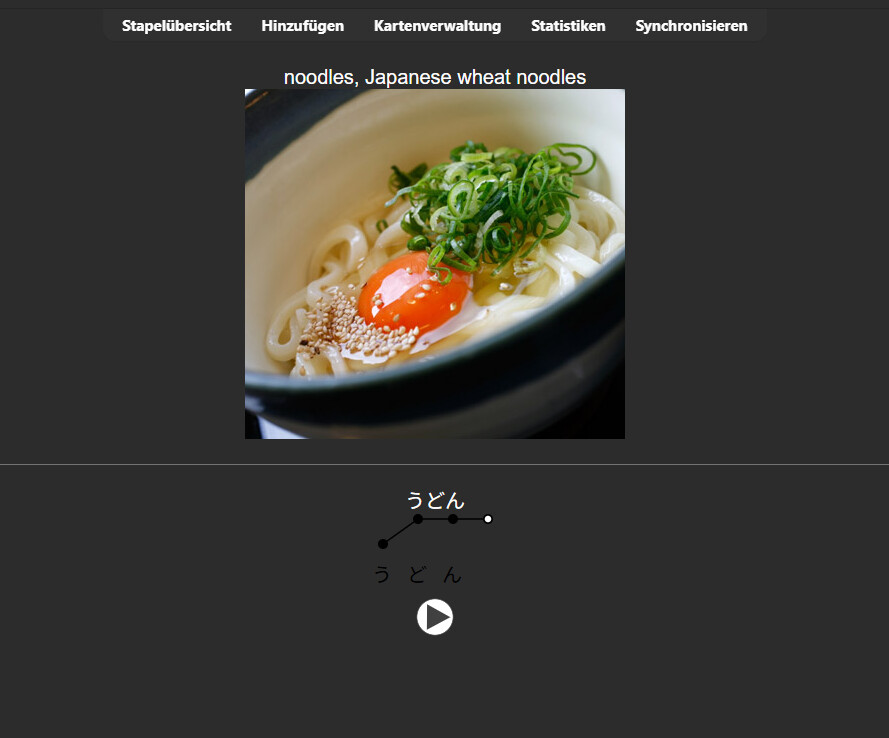
When I learned about the existence of an Anki addon for pitch accent however, I added that and modified the Core2KDeck (65% done at this point). I suppose my pitch accent will not become perfect, and that is not my goal right now, but it could improve by 20% maybe with this method. Its nice to train my ears more, as all the cards have sound - however, I only added it to the vocabluary cards and not the sentences, because that is not possible. (╥﹏╥)
Do you have any type of experiences with such a way of learning it? Has anyone done it here?

Another point to keep in mind is that depending on your native language(s), your accent will end up being different. Is this the same case for pitch accent? Anyone noticed this pheonomena aswell? I know its a bad manner and I am in no position to speak overall and neither do I want to offend anyone here, but my japanese friends and me regularly make fun of the typical “I-started-japanese-three-months-ago” anglo-saxons accent. Please dont be offended (˶˃ᆺ˂˶)

I guess I speak outright flat? Like a robot? German AND autistic, after all. Anyone has experiences?
1 Like

pitch accent is not just a matter of native speakers being able to understand you, but you being able to understand them as well. either way, it’s something you do need to learn or at least pay attention to when learning vocab with the same readings but different pitch. it will make the difference between 髪を切る and 神を斬る.

before you start trying to learn pitch accents for individual words, you should spend time training your ear to actually hear pitch accent first.

I’ve seen a lot of people use the kotu.io tests to just practice a few minutes every day, and they said it helped them a lot to distinguish pitches. haven’t really done it myself though.

1 Like

To me, it’s more about hearing things.

I even removed all the graphs to only aim repeat a word in a way a native says it in the recording. I feel like thinking about “what pattern is that word” started taking my attention from just hearing how it sounds and repeating.

To see if you can produce, and how well, flet or not, the sound, you can use the trail period on Dogen website emurse.io

But I think the most useful thing is hear the word, trying to reproduce it, and hearing if you were able or not.

If not, I would recommend developing ear, for that I would recommend singing major scale alongside with piano (do re mi fa sol la ti do) and what helped me the most is using app Functional Ear Trainer, it trains you hearing degrees, but it really cured my ear, so now when I sing I understand that I do that correctly or not, if I hit a note or not. Took me 3 weeks (50-80 hours I guess). As a byproduct I stared hearing pitch much better when it comes to Japanese, as it’s just the same pitch I was training there.

What I did for some time after that was listening to Bunpro audio snippets and trying to reproduce them 1 to 1, using pratt to see if I hit the pitch. My voice is really flat in that regard, but it seemed to my like the pitch is mostly on point, so I just stopped after some time.

I also am warier about it getting smashed a little by my reading, as I might be messing up pitch between the words, as sometimes it’s high and sometimes it falls down after the word on the particle after that, but we’ve got what we’ve got, so I’m happy for now.