Realize that ない itself is a dependent inflectable part of speech. Dependent means that it attaches to a “base” of an inflectable part of speech (verb or adjective). Inflectable in the case of ない means that it conjugates like other “い” adjectives.
There are six bases, they are as followed:
- 未然形 (Irrealis form)
- 連用形 (Continuative form; godan verbs and adjectives have 2 variations of this)
- 終止形 (Terminal form; this is what you see in dictionaries)
- 連体形 (Attributive form)
- 仮定形 (Hypothetical form)
- 命令形 (Command form)
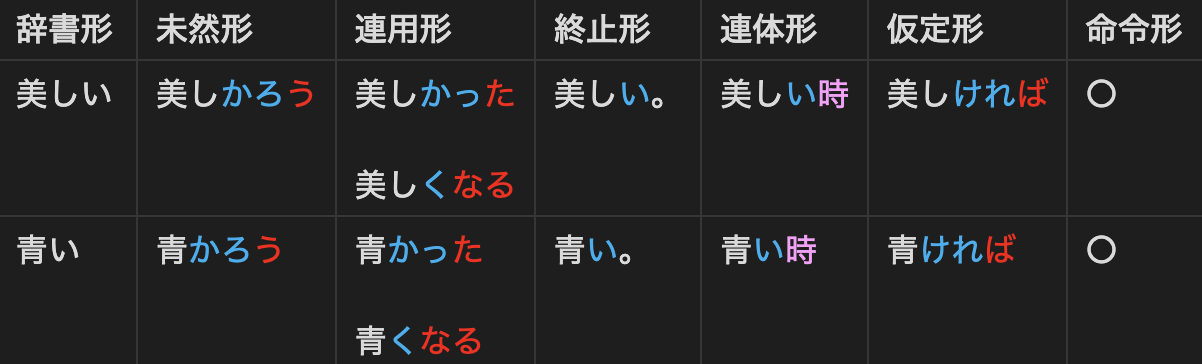
White: Word stem
Blue: Base/ inflectional ending
Red: Auxiliary or particle
Purple: Word being modified
Conjugation chart for the godan verb 買う
Conjugation chart for い adjectives 美しい and 青い
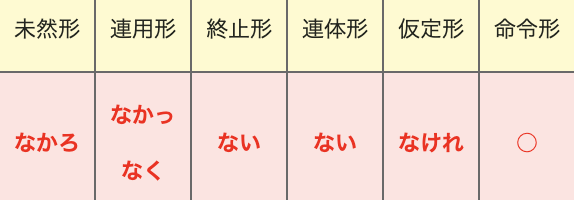
Conjugation chart for the auxiliary ない (notice how it conjugates the same way an い adjective does?)
The conjugation chart for ぬ/ん (other auxiliary for expressing negatives)
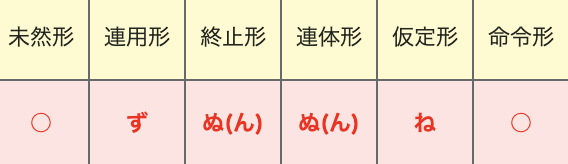
Sourced from 国語文法 site
As for なくて and ないで they are negative variations of the て form and generally can be summed up like this
なくて:
-
Listing a series (that being events, traits, etc)
甘く無くて、全然美味しくない。
-
Marking contrast
会社員じゃなくて、労働者です
-
Cause and effect
バスが来なくて、困った
ないで:
-
Doing Y without doing X
朝ごはんを食べないで学校に行く
X = 朝ごはんを食べないで
Y = 学校に行く
-
Doing Y instead of X
コーヒーを飲まないでジュースを飲んだ
X = コーヒーを飲まないで
Y = ジュースを飲んだ
-
Used for commands
行かないで
行かないでください
行かないでほしい
For a more detail looked and more examples of なくて and ないで please read this article.
As for ないと, my guess is in your question particle と here is being used for its conditional meaning Y is inevitable when X happens. Used for general truths and habits.