For reference:
https://bunpro.jp/grammar_points/する-cost
https://bunpro.jp/grammar_points/かかる-time-cost
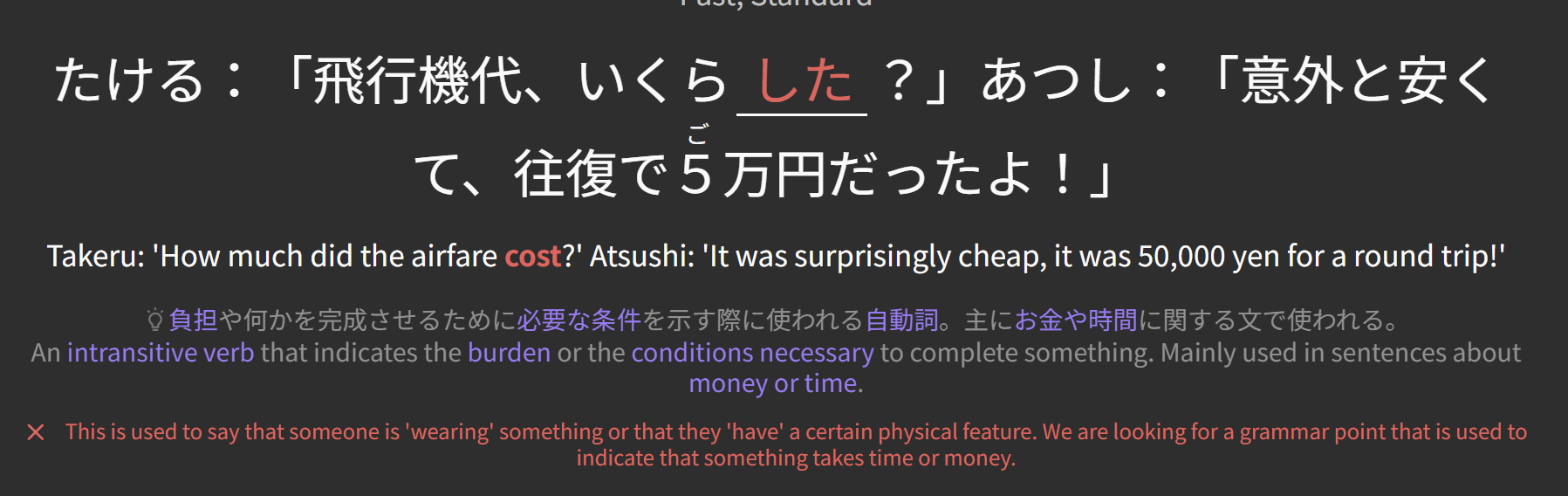
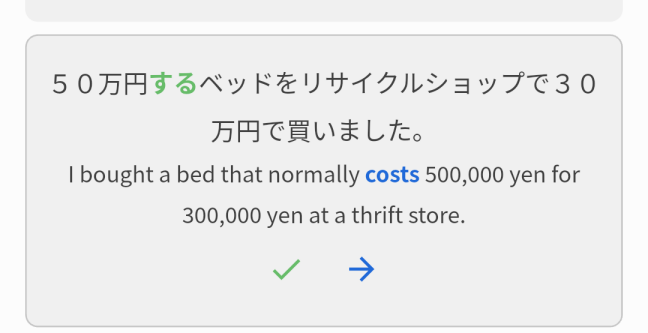
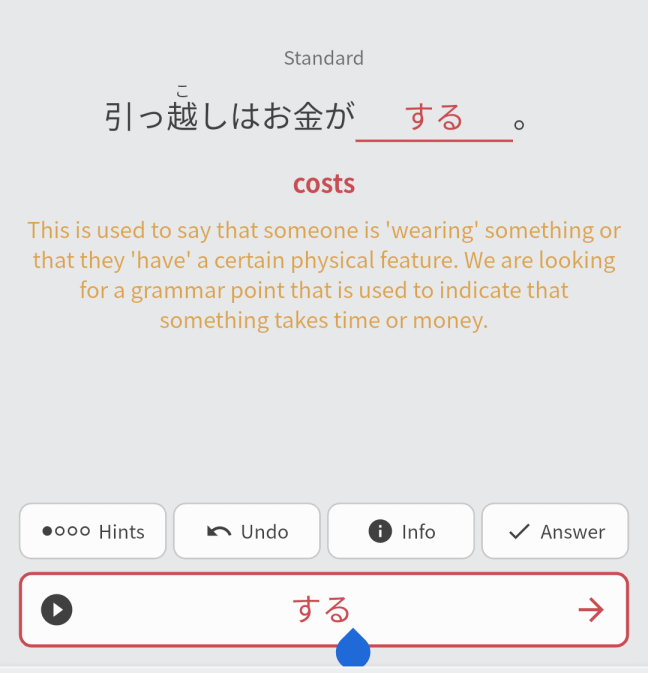
I do sort of understand the difference as described in the lessons, but the examples do not all seem to fit perfectly, and they are incredibly strict about only accepting one possibility. E.g. consider these two, one from each lesson:


How are these different??? Both are describing a high price for a one day travel expense (a hotel vs a flight).
These are not the only two causing me problems. I’ve been stuck in beginner stage for these two points for many days now because the questions just seem like a crapshoot. No other N5 point has ever given me such a hard time.
And as a sidenote, a hotel that costs $44k USD per night? Really? What is up with these unbelievably high price sentences recently?

 」. But you can say 「いくらだった?」.