Usage of 分かったこと

Sup everyone, question on the usage of using 分かったこと in this context.

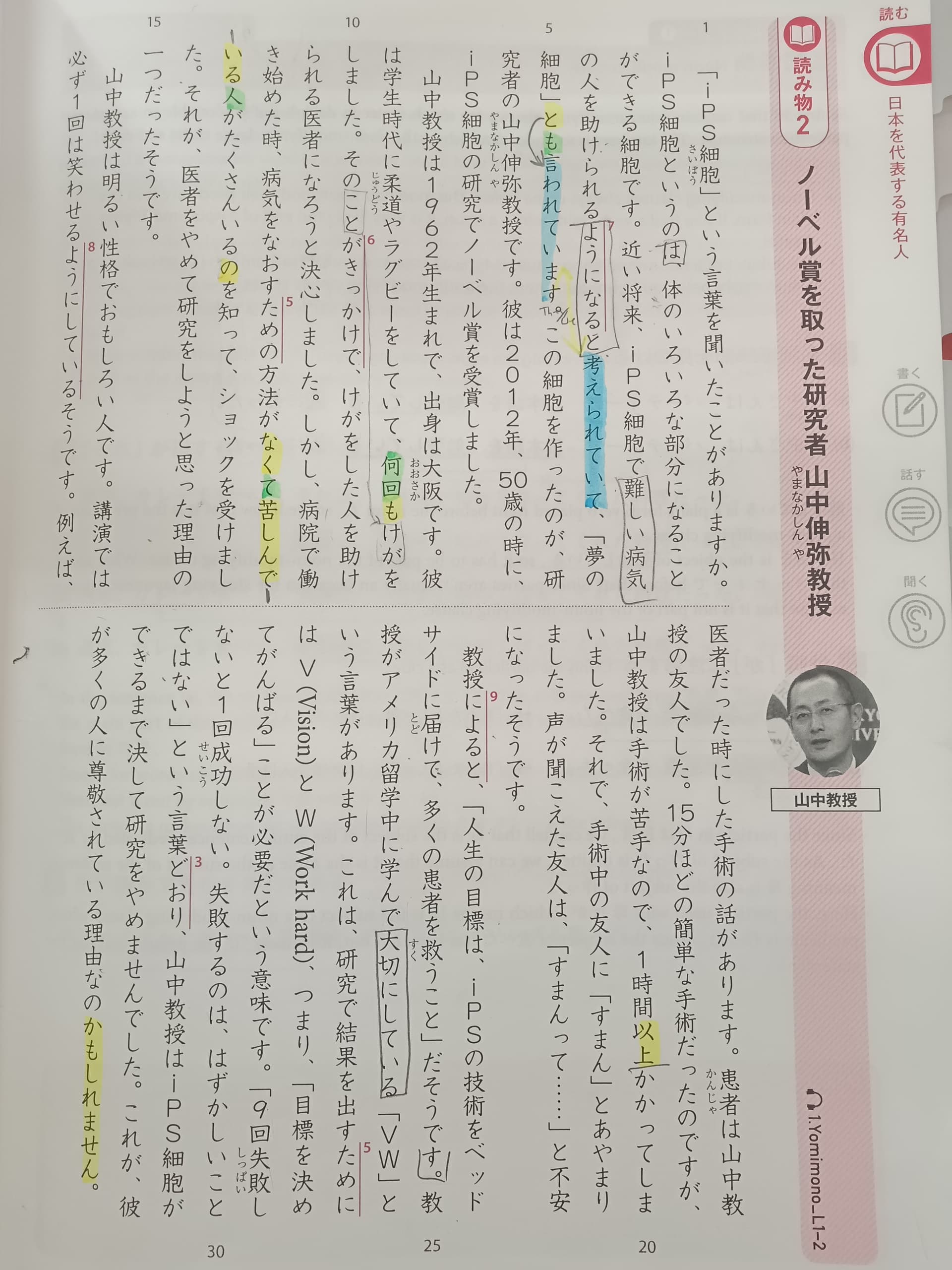
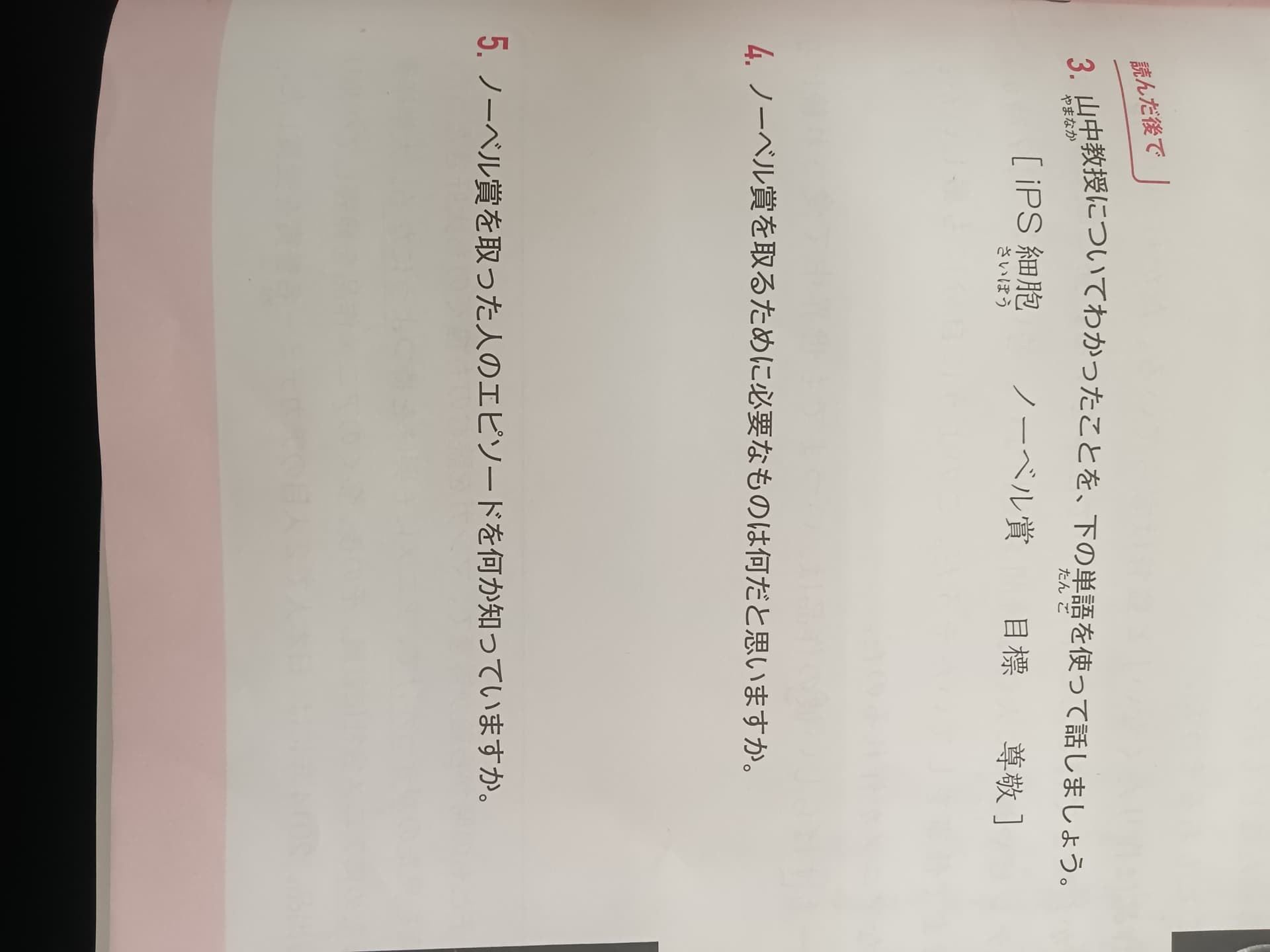
“宮崎監督について分かったことを” 話しましょう。

I was sitting here for like 5 minutes trying to figure out the general meaning and kept getting stuck with わかったこと thinking it was along the lines of “What I understood of Miyazaki”

I eventually tossed it into a translate and it spit back out “What I learned about Miyazaki”
I even checked my dictionary for other meanings that may have been obscure or something. Anyway, why would one use 分かったこと instead of 学んだこと or even 覚えたこと?

1 Like

AFAIK, “manabu” often implies formalised learning such as taking lessons.
“oboeru” implies something you learn by heart like learning Japanese or memorising vocabulary.
I might be off on those though.
“wakaru” on the other hand can be used for something you discovered through an experience/ independent thought, I think.

Without seeing the other translation I guess I would have thought of it as “what I came to understand/know about Miyazaki” which to me like implies not a formal learning situation but maybe what you picked up about him through his work and reading about him. Basically you synthesised the knowledge yourself through various activities, rather than learning it as a lesson or memorising information.
Ofc it doesnt say wakaru you ni natta but I guess thats just one of the ways I conceptualise wakaru in my head.

Also sorry for writing all in romaji, I am lazy about switching keyboards.

2 Likes

You probably would be less lost if the translate said “Talk about what you know of Miyazaki”
分かる means know.
I don’t know “わからない” Oh, now I get it “あっわかった”.
Please be careful. OK “気を付けて” “分かった”
The first time genki lead me astray was telling me わかる means understood instead of know.
If I want to say understand I now say 聞こえる can hear
Hope that helps

2 Likes

Ahh, that makes a lot of sense. but also what does this relegate 知る? Are they both in the same vein then?

Aさん:宮崎監督を知りますか?
Bさん:分かりますよ。

Kinda like that then?

Also,

Yea, ended up asking an unrelated teacher and yea, because in context of the book its supposed to be after you read about Miyazaki. So it was supposed to be(according to him) What do you NOW know/understand about Miyazaki.

Ill be asking my formal Teacher later today when I meet her and we go over all this as well since she is a licensed JSL teacher. She explains things pretty well(Albeit all in Japanese so it really pushes me too)。But helped contextualize it, thanks yall.

The difference between shiru and wakaru is also something I don’t really get tbh haha… and then there is kokoroeru… and a bunch of other words too… I hope someone wise can tell use

FTR wakaru means both understand and know

This is typically a case where you must detach from your own language and trust experience to refine it IMO, it gets obvious with a little time.

If I had to translate (I’d rather not :slight_smile: ) I’d say 知る would be to have a knowledge and 分かる to get a knowledge which is why it could be as much “understand” as “know” or even maybe “learn” depending on context, I don’t think the Genki translation is problematic it is just simplistic as any translation would be so it is a good start anyway.
It isn’t less confusing in English actually, for example there is a use that would be if someone tells you something that is obvious to you, you could answer 分かってるよ!and this could be in English “I get that!” as much as “I know that!”.

I think it would be better not to stress too much about it if you have an imprecise understanding, you have the idea figured already and it will just get refined naturally by context.
Trying to refine it by translation is shooting yrouself in the foot in my opinion. I think one of most important things in language learning is to try to think in the language and get away from translation. Many things don’t translate at all from japanese and it isn’t a bad thing is as it can actually force you to think directly in the target language.

1 Like

I dont know how to explain too well outside of explaining circumstances to use 知る

“Do you know Metallica?”
Metallica知ってる?
“I dont know (them)”
知らない

You wouldnt use 分かる here (most of the time, the exception to this is kinda hard for me to explain and not normally applicable).

Its more for understanding concepts, instructions, etc and 知る is more like to be aware of or familiar with something.

For 心得る = to understand something so well you naturally behave in accordance with it. Yo8 dont really use this in normal speech

Interesting question, let me take a stab too.

分かった

This is what you “got” after a small classroom chat / a small overview article about Miyazaki.
Some simple everyday bits and pieces of knowledge. No pressure.

学んだ

This one is more if you’ve been “studying” Miyadzaki techniques in depth at like art university.

覚えた

This can be one of two things. Either specific facts and dates specifically “memorized” for a pub quiz or something. Or some kind of feeling/impression like 「感心を覚えた」.

知った

If you realized or “experienced” something for the first time, you could say 「初めて知った」. But「知ったことではない」has a very different meaning, which makes「知ったこと」a potential shortening of that, and I’d rather avoid that misunderstanding :sweat_smile:

宮崎監督を知りますか?

To me that sounds close to “do you know him in person”. Like 「宮崎監督とお知り合いですか」.
Progressive 「知っていますか」is better for “do you know about”. I think you can say 「宮崎監督って分かる?」in casual speech though.

I generally dont word for word translate things and mostly just try to get a general feel, but sometimes words in a weird meaning just need a quick translate so I can better conceptualize them. Ill toss things into translate as well if Im looking to get a general meaning of what I want to say as Im talking to myself. If something sounds wrong to me, Ill toss it in and see what it kinda spits out. So long as its in the ball park of my meaning Im pretty happy.

This seems to be pretty close to what my fellow teacher said when I asked him. Its that like "better understanding now that youve done something with the material. An assumption from the book that you knew nothing, and now have gained some knowledge and can discuss it.
Wasnt able to speak to my teacher about it in length today in part because we got bogged down with my understanding on an article about IBS Cells which got convoluted since it uses grammer in a way not yet taught in other books so I was struggling the entire time with that one.

Yea, sometimes those single word translations and simple example sentence can shoot you in the foot. Even around Japanese all day Ive only heard it in situations where it would more or less mean “I got it.” or “I understood what those instructions are” so just something else to think about as I go along.

The other issue sometimes here is “こと” and “の”. Conceptually I understand them but sometimes the verb choice makes me pause when it doesnt seem to fit within my understanding of word so then I gotta track things down. Alas, its all the fun

1 Like
