
You’re not alone!
2 Likes
Between Bunpro and Duolingo, I’m thinking of installing security cameras in my house 
5 Likes
this one does not sparks joy
5 Likes

is the bird threatening you?
2 Likes
500reviews/day sounds hard 😮💨
In avergage how many hours a day you spend studying?
1 Like
Everyday i get threats I’m starting getting self-defense class
1 Like

For real, how do you all practice using all of these grammar points in real life? It’s nice being able to recognize them in written text, but they’re never coming up when speaking. I feel I’ll always speak like a toddler 
EDIT: (meant to reply to above meme, I always hit the wrong reply button)
4 Likes
This is a really good question and honestly you should make it it’s own topic. But I think Bunpro is not an excellent way of practicing output, but does help build a good foundation for grammar/comprehension which is very important for output.
My view is that having someone to speak / write to is the most important bit. But beyond that practicing the grammar points is important otherwise you won’t grow your ability to express yourself.
For that usually have good output questions, but if you do not have a teacher or native person to give good quality feedback it’s a bit tricky to do. You could use AI for feedback, but be careful for it’s mistakes and sycophancy. (I won’t dive more into AI here.)
The type of questions textbooks ask include:
- Select/conjugate the write grammar point. This is pretty similar to Bunpro.
- Come up with your own examples of a sentence with a given grammar point with a fixed format, e.g. _____けど____を忘れました。
- Write about a topic making sure you use those grammar points.
So even without a textbook you could apply some of these to Bunpro grammar points.
Textbooks will often have roleplay sections where a typical conversation is played out, and you are asked to repeat these to modify them. I think you can gain a lot of benefit from learning standard conversations word for word (e.g. introductions, buying something, ordering at a restaurant, explaining what you did on holiday) and then you build up a good understanding of the flow of conversation.
Other people will be able to offer good advice too, I’m trying to find ways to make my grammar and spoken output better too.
4 Likes
Thank you so much for the detailed reply!
I might open a thread in a near future about it, but your recommendation looks solid. The thing is, after 1 year on Bunpro with a lot of improvement in reading, but zero improvement in output, I just started going to a language school one week ago (just a couple days a week). So far, the structure of classes is exactly how you describe it, about recreating hypothetical real situations.
I was feeling that this way of learning could be pretty slow, but I guess that if so many people achieve a good level of Japanese like this, it must be for a good reason. So I’m glad to read that advice coming from you too!
1 Like
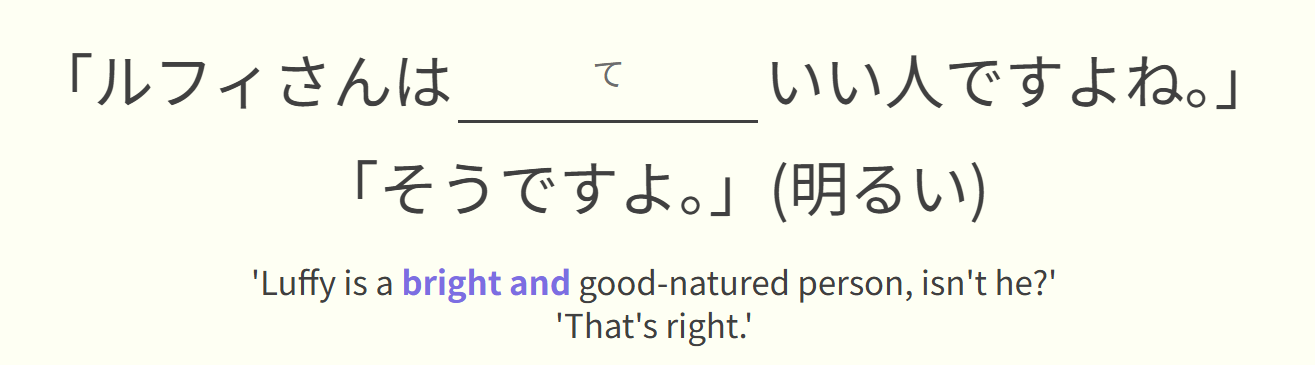
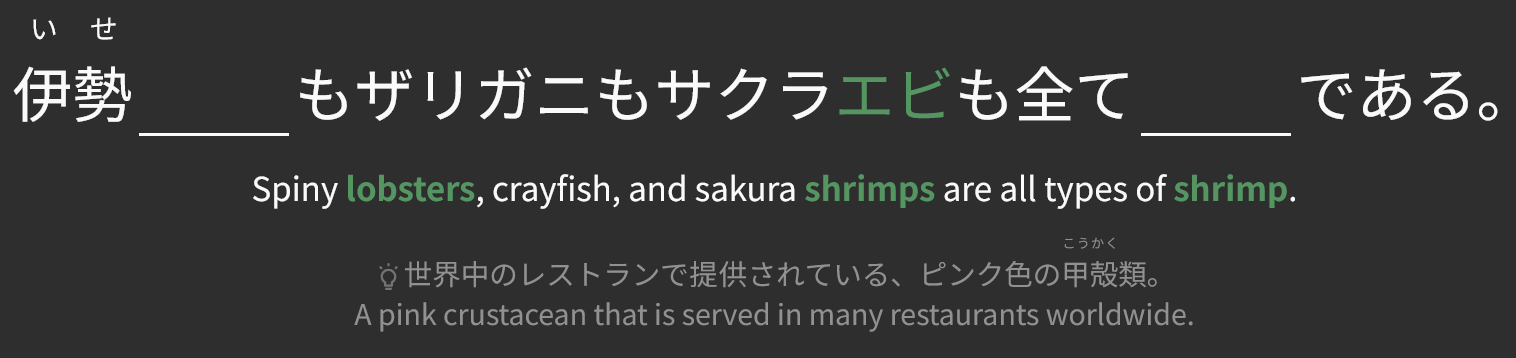
Fixed 
3 Likes
why would you fix a work of art
7 Likes
When you finally find the time to use a rarely used grammar point and it doesn’t go down well with the Japanese person…
「美味しくないことはないけど、もう少し塩コショウが必要だと思う。」 
3 Likes
Times that I’ve been revising grammar for JLPT tests, I’ve been able to widen my usage. Going into a practice with a few grammar points you want to try using could work. Grammar bingo.
1 Like
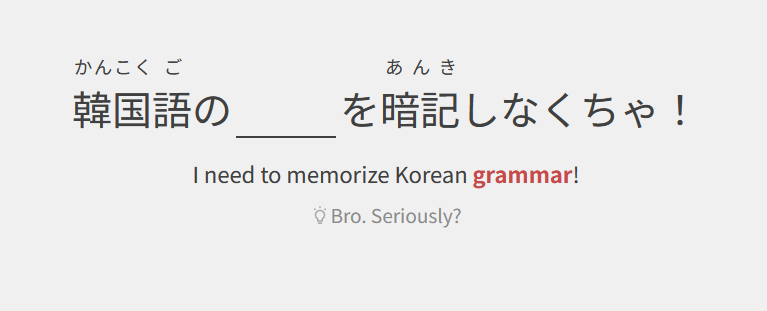
REAL
1 Like
1 Like