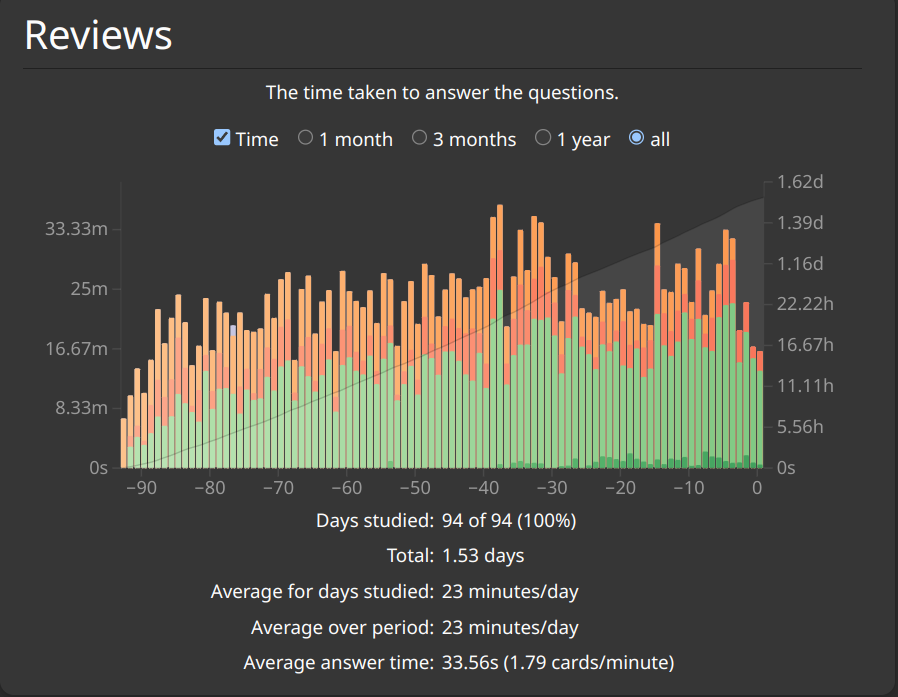
Hi everyone, and welcome to my new log! 
It’s been around 10 months since I stoped positing in my previous log. Of course, I wanted to write a full story, describe every single piece of what I’ve been doing, how it went, what seemed to work, and what didn’t. But it’s really a bunch of text, so I’ll just skip to the part where I talk about why I started this new log.
Current Skill Level
I don’t think it’s a good idea to assess the level, so I won’t be doing it.
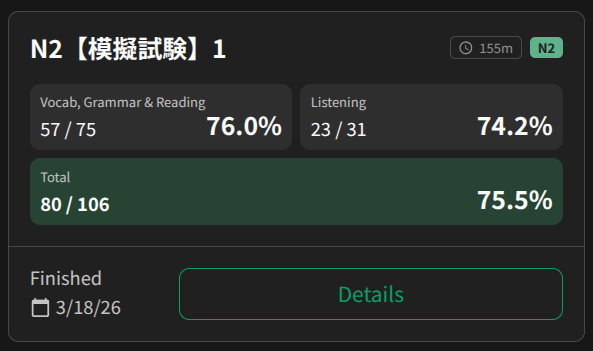
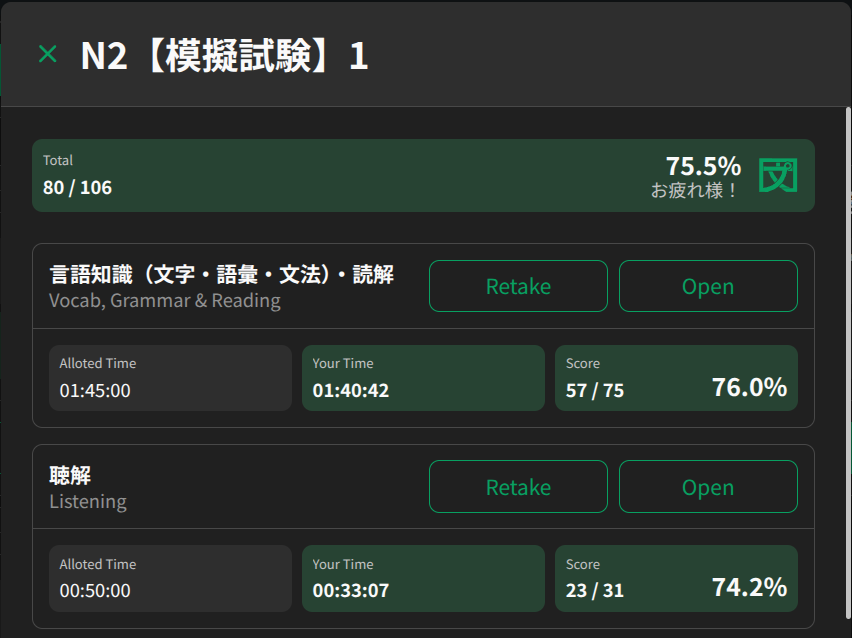
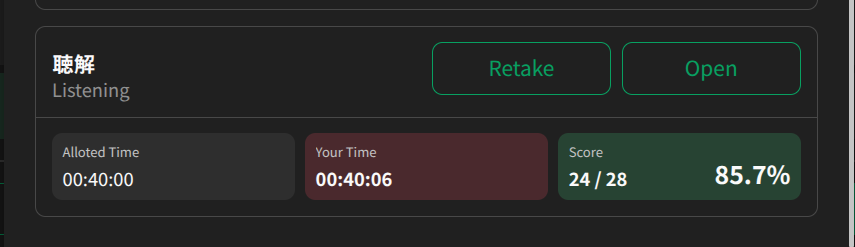
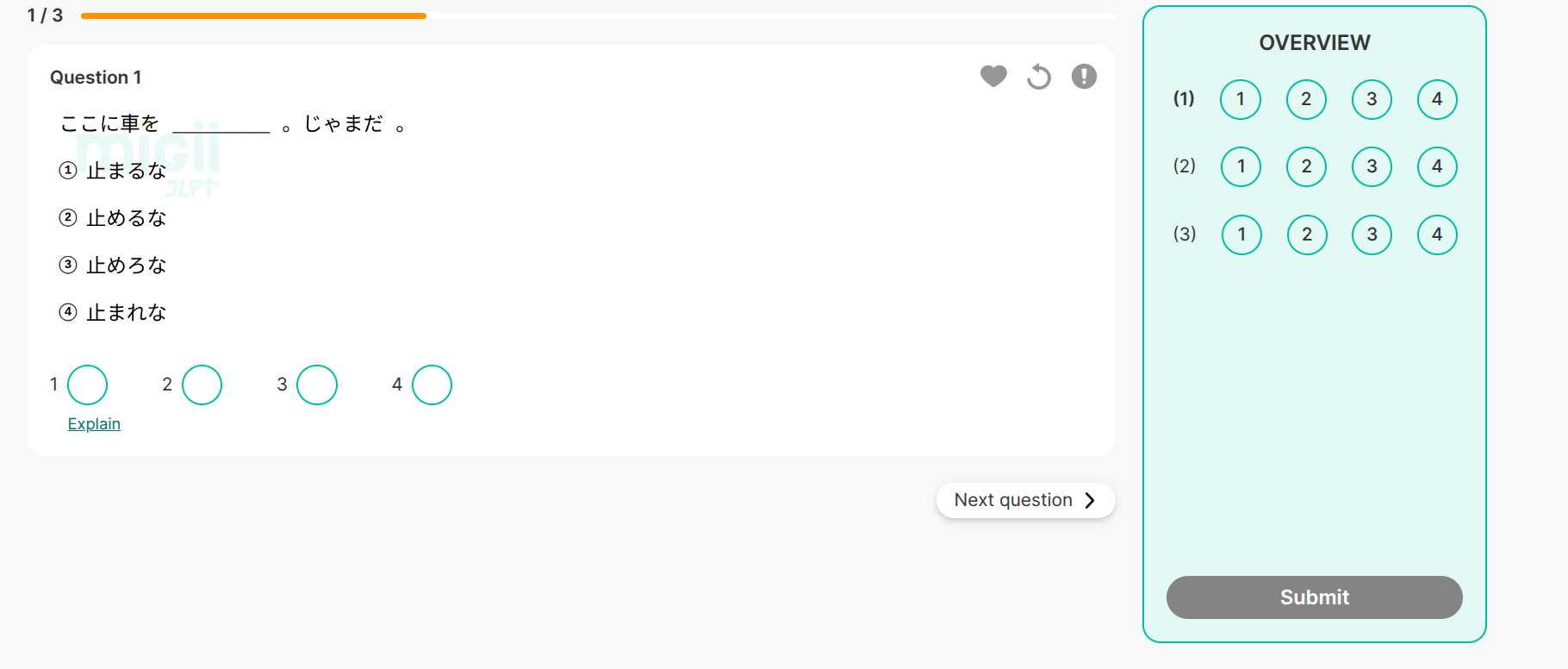
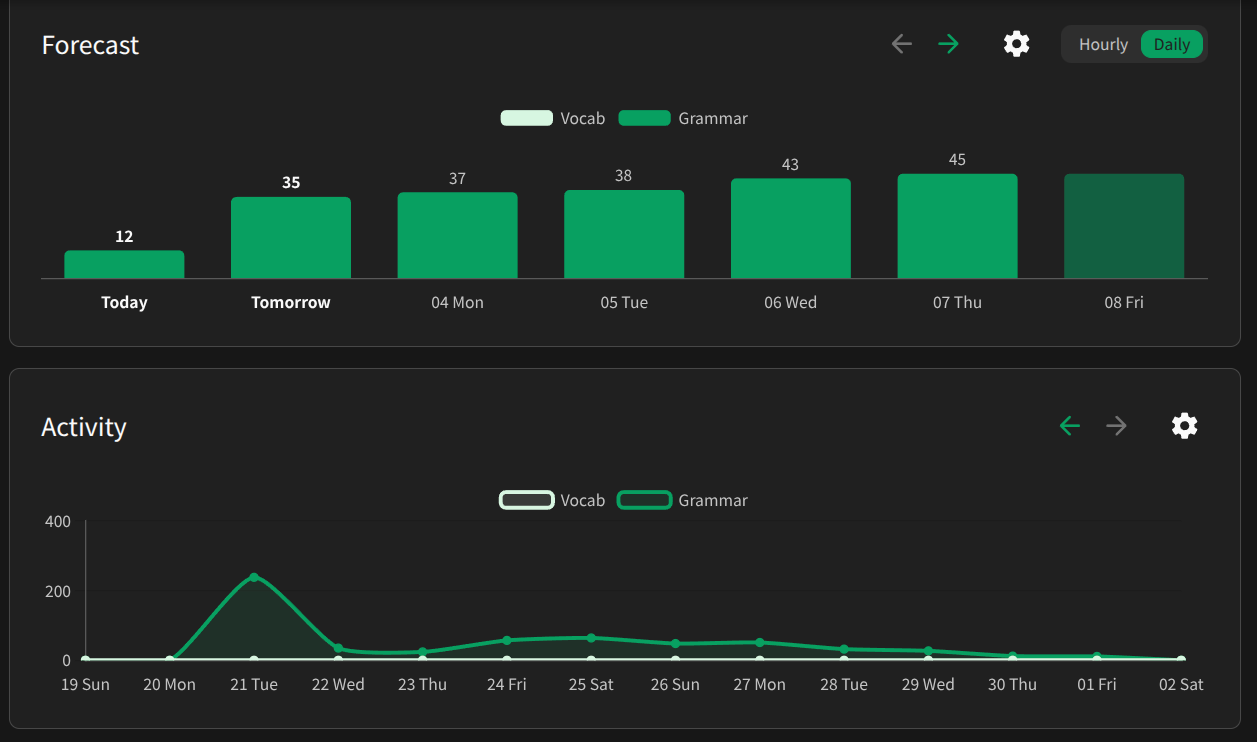
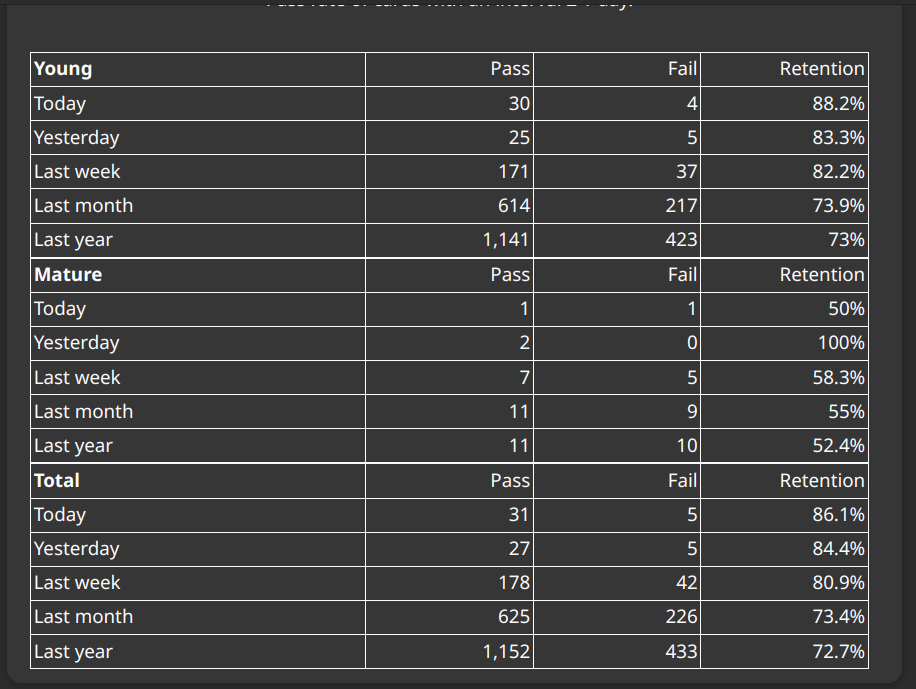
About a month after the Bunpro mock tests were released, I took the N3 test and got 86% on it (15th month of study, but after a break of 3 months).
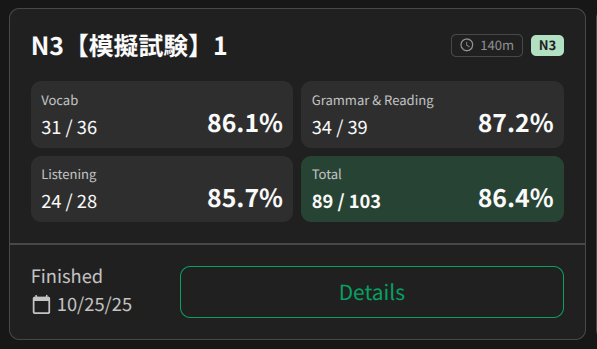
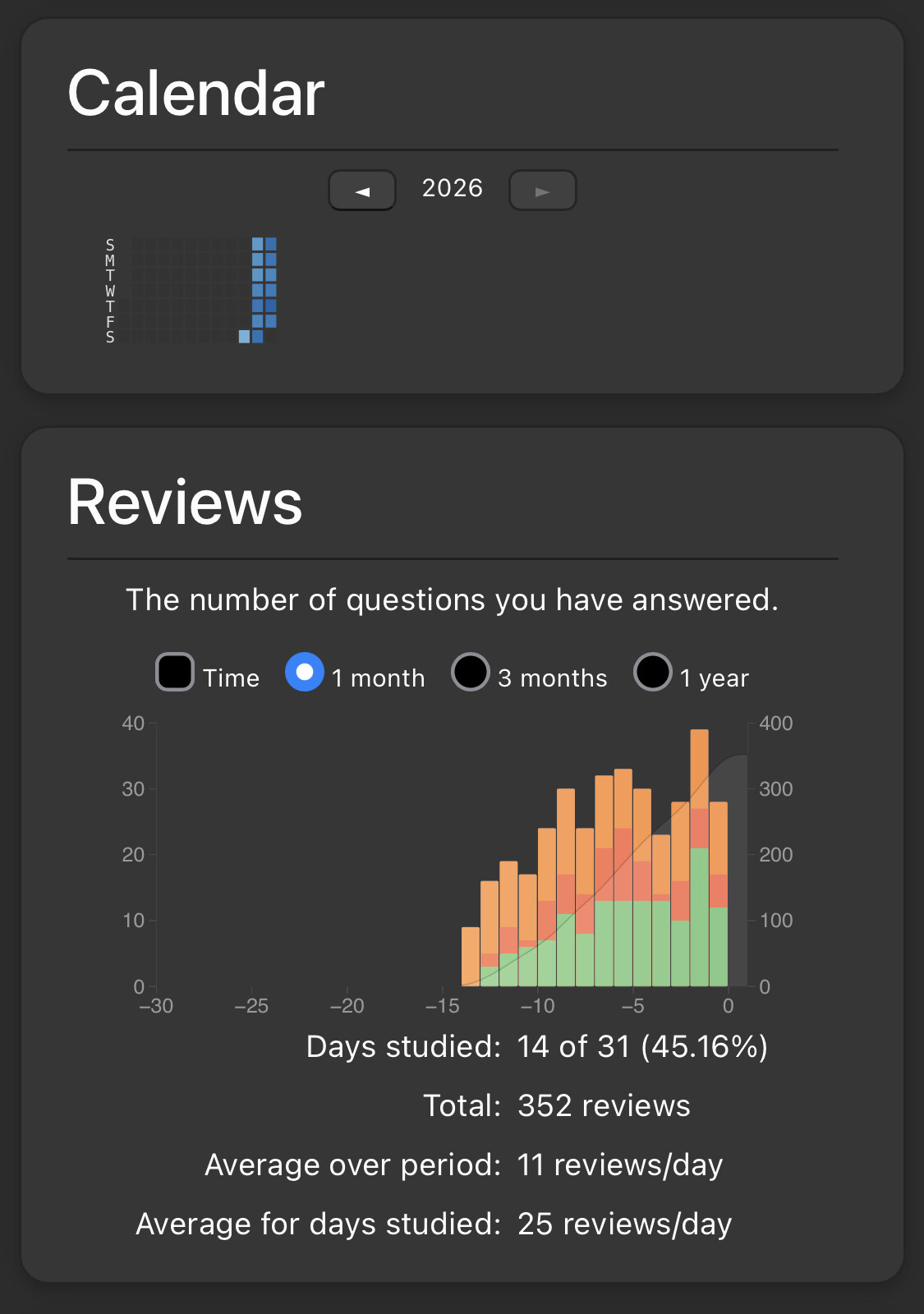
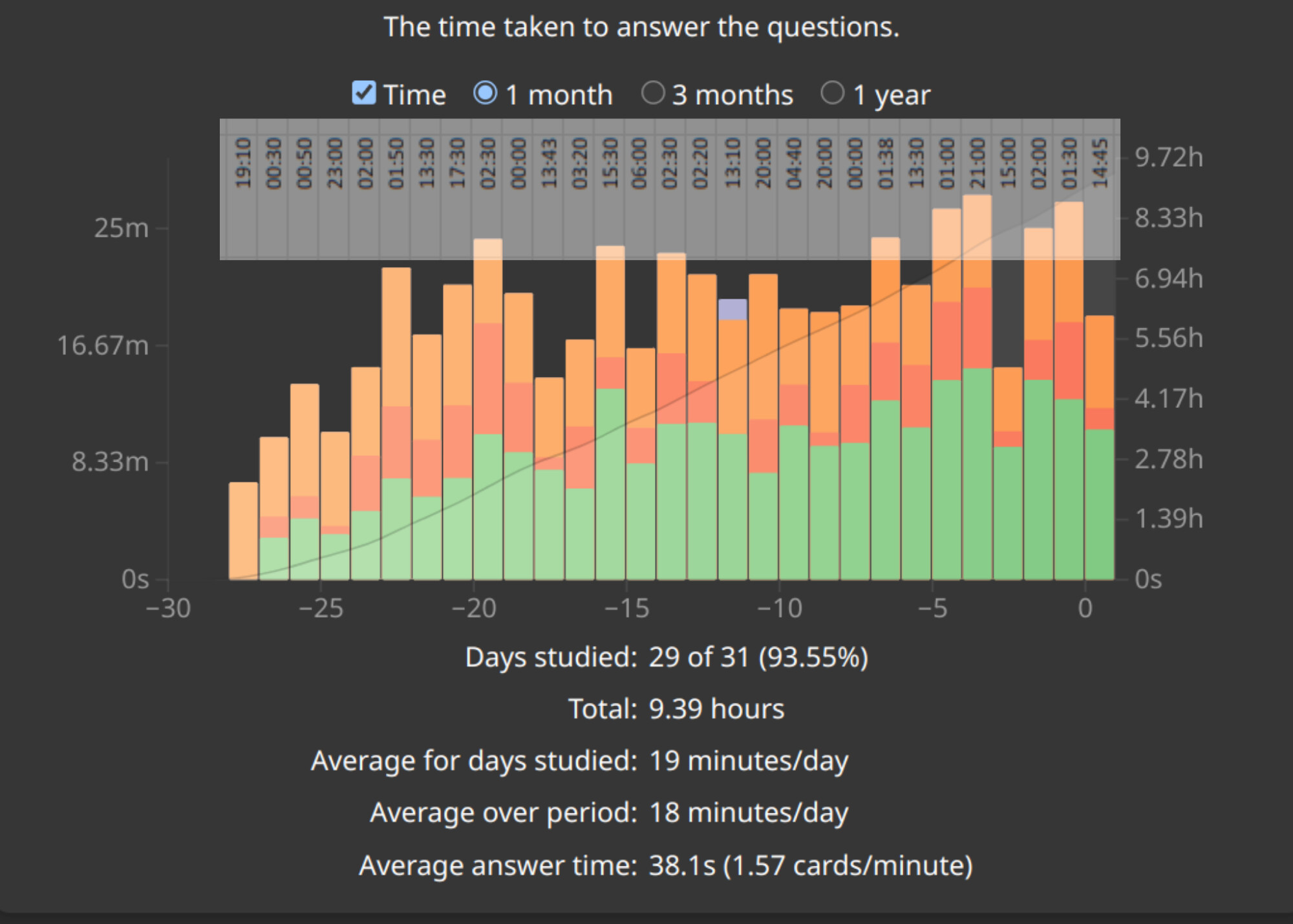
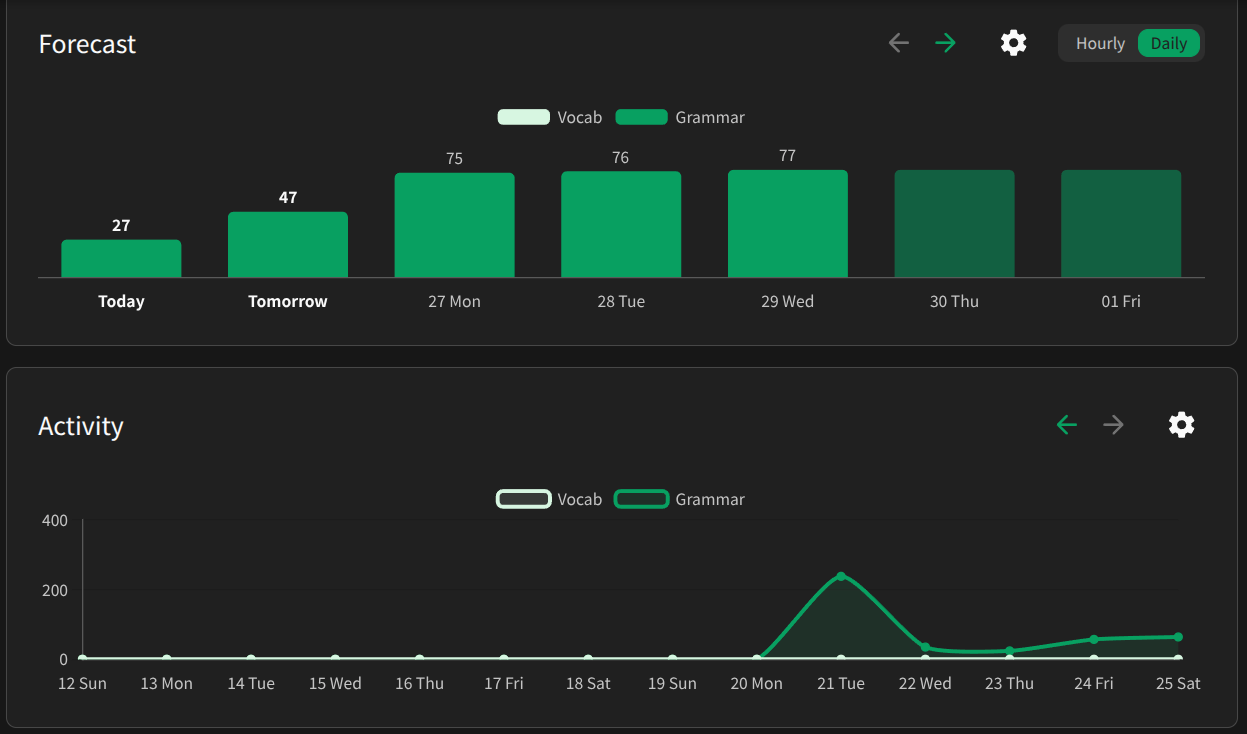
After that one, I became more active once again and felt those big moments of growth quite a few times. Something like “Now I can read so much more kanji”, or “it’s so much easier to remember words now, easier than in Italian”, or something like “now I can read Sakamoto Days without lookups and understand so much!” and so on. Usually, it’s something that opens new media or makes previous interactions more effortless.
I want to take both N2 and N1 before March 19th. If I do, I’ll make sure to post it in this thread.
Why start a log now?
I’m not sure why I decided to start it now. It’s been an idea for a decent amount of time, but I didn’t really feel that strongly about that till like today.
The purpose
The first thing is that I like coming up with new study strategies, but it’s hard to try them without documenting and creating something like a plan. The study log format has just happened to be quite 個人的に便利 for that purpose.
Another important aspect is that I have a lot of thoughts about learning Japanese, and lately I’ve been just thinking them to myself without sharing with anybody. I actually don’t know how I feel about it, but maybe it’s just a part of the whole experience, and I’ll come to my senses when actually talking with people.
And it just feels right to have a place where I can just write some thoughts, especially when those thoughts are related to the topic of the community.
Current 当て
(I really forgot the word “objective” for this one, but managed to get 当て)
- Trying a learning strategy I came up with a month or two ago
- Implementing one everyday activity and maintaining it for over 3 months
- Taking the N1 exam in December
Current learning strategy
Writing this one after the next section by the way.
This strategy is somewhat a sum of my ideas and things I’ve got to know for the past 6 months.
The idea is simple: Learn a number of new words (using kanji as an etymology helper) that have new roots really well, to the point of not forgetting them, so they become a pillar for understanding new words with the same etymology.
The method is built upon these rules:
Not that I used them as pillars, rather that they became pillars that my mind uses when I think about learning stuff
- Must have an end.
- Must have an activity switch before the brain gets tired of the current activity.
- Must create deep connections by connecting as much as possible (no shallow drilling connections, but understanding on a deep level and finding connections that will then be visible for a long time).
- Quality over quantity, but this one is still hard from the perspective of numbers, still cannot get over them, heh. Again, this one is almost the same as the previous one. I wrote it just to make sure, but they are almost identical.
So what do I actually do?
First stage:
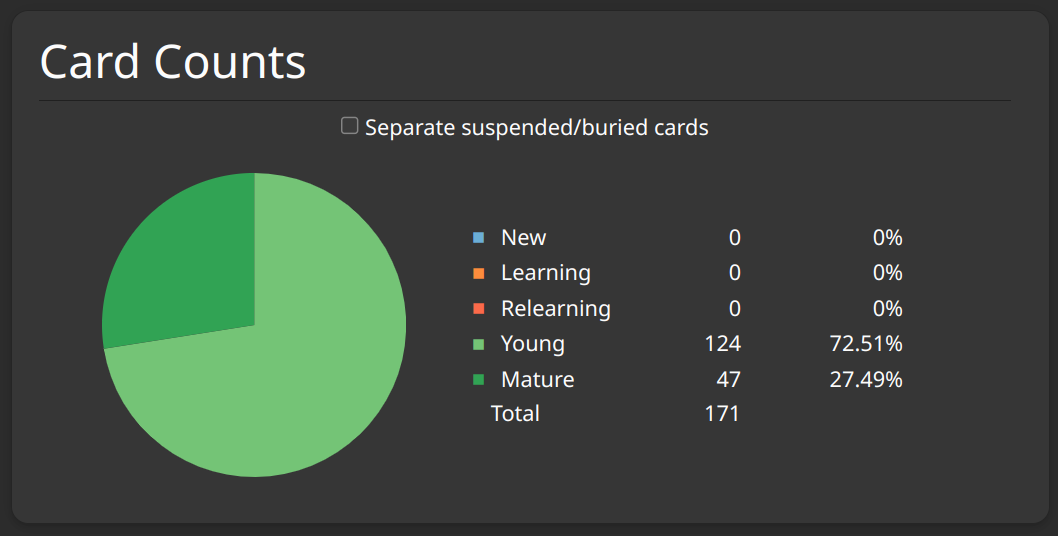
Adding 150 words with absolutely new kanji in Bunpro.
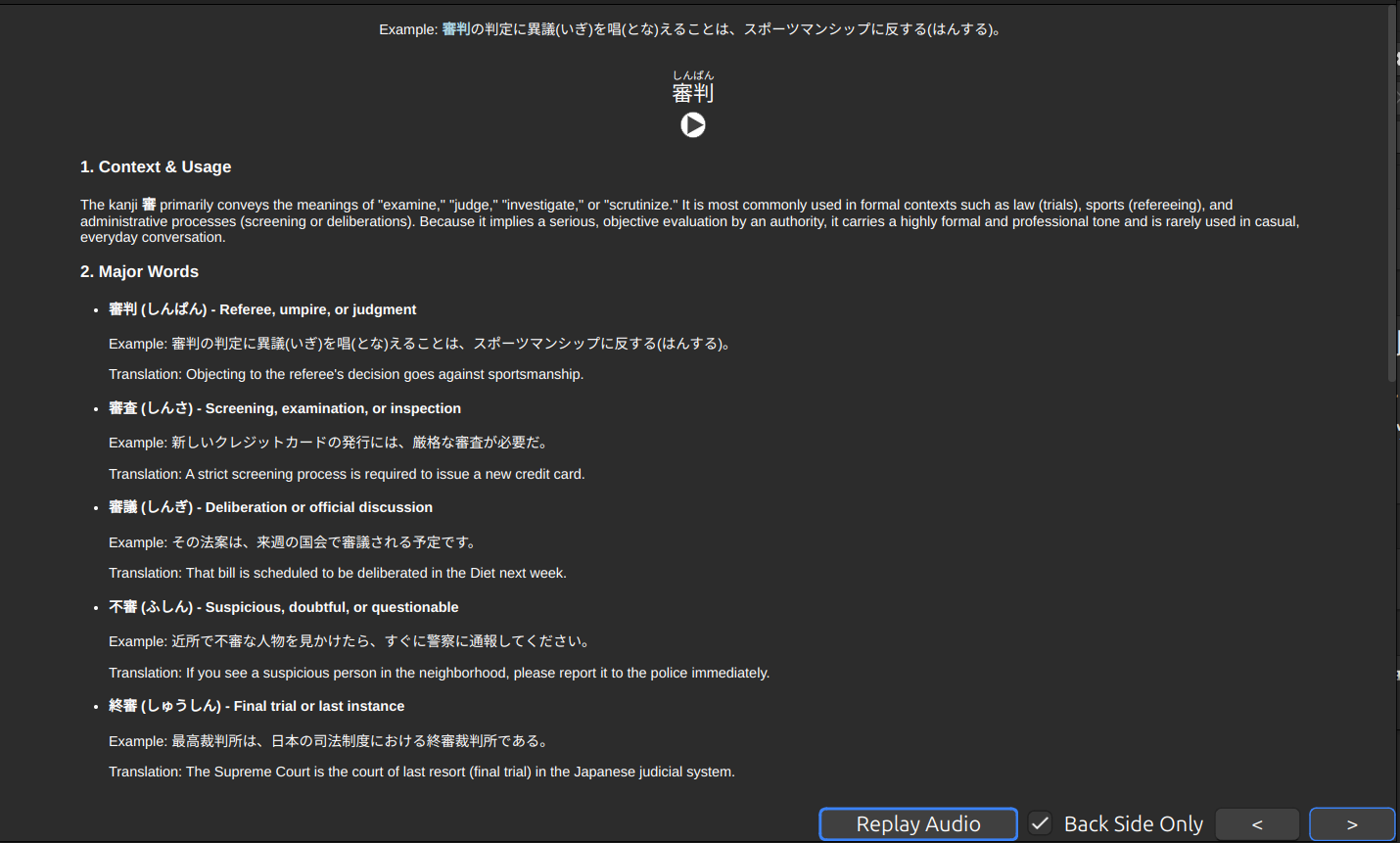
- Before adding the word to the reviews, read and understand every sentence for each word perfectly.
- Doing reviews (cloze card) every day (during the first and second stages).
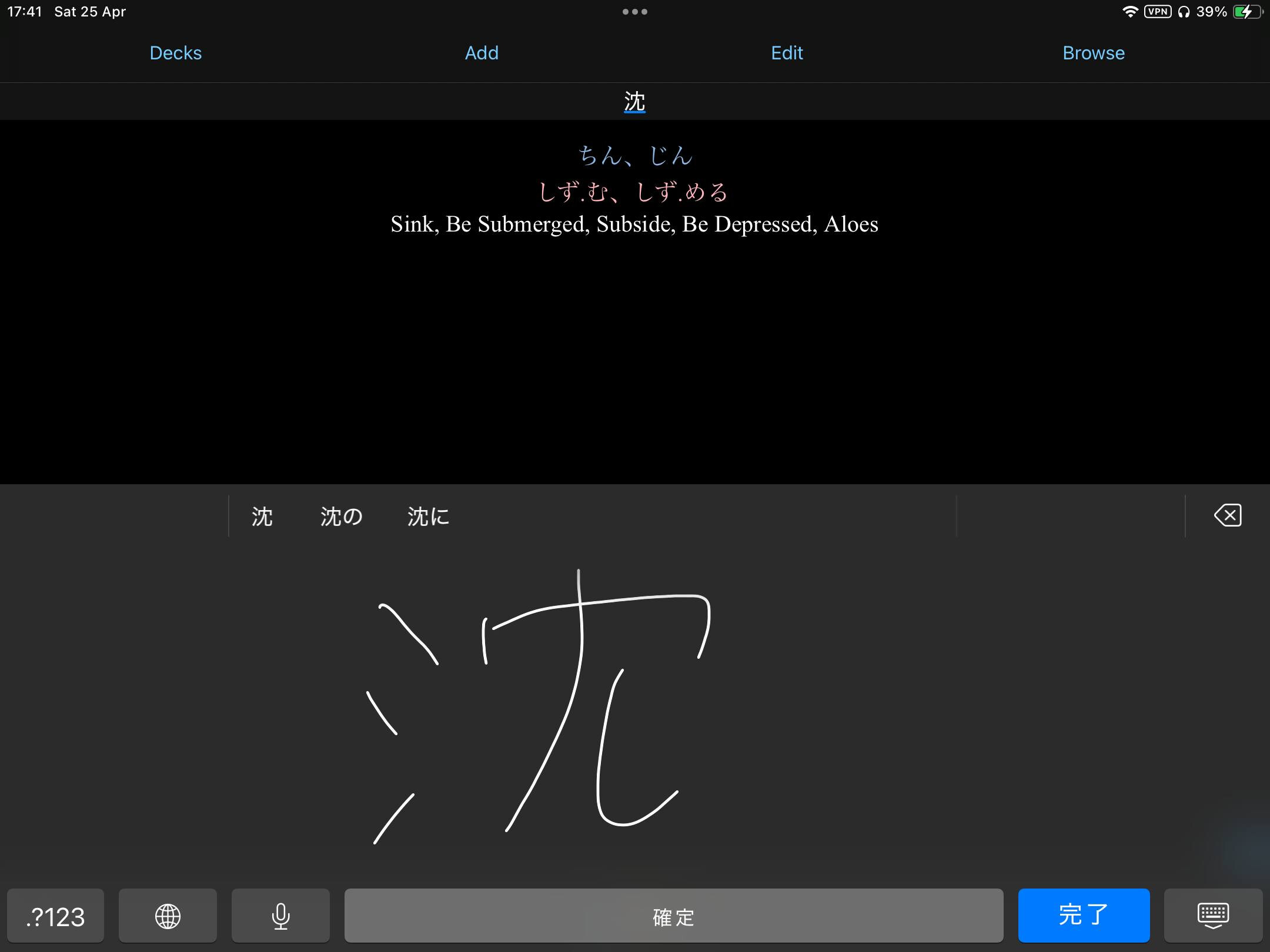
- Writing each new kanji on the A4 paper, and every day recalling the word for each kanji on that paper at least once.
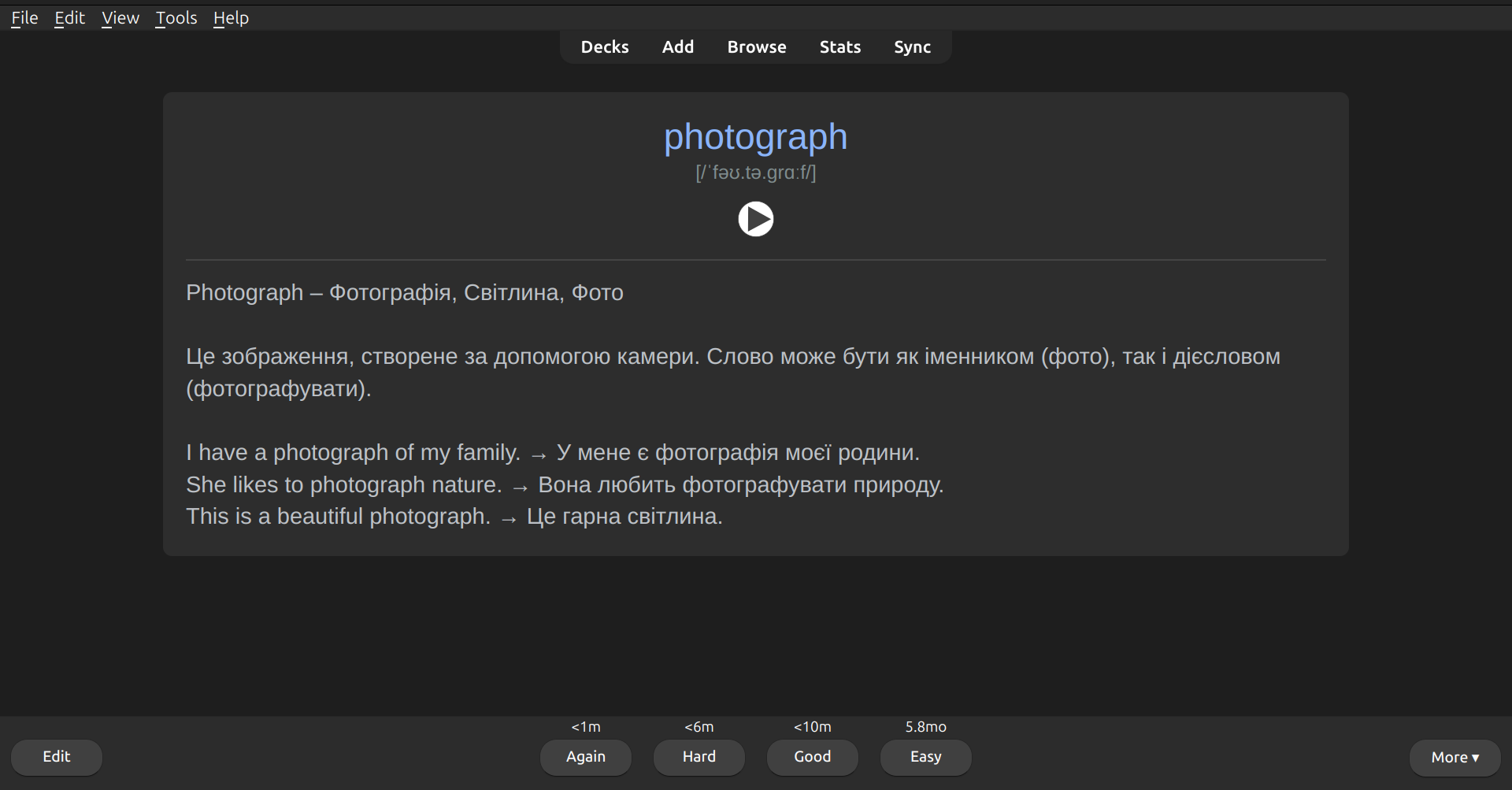
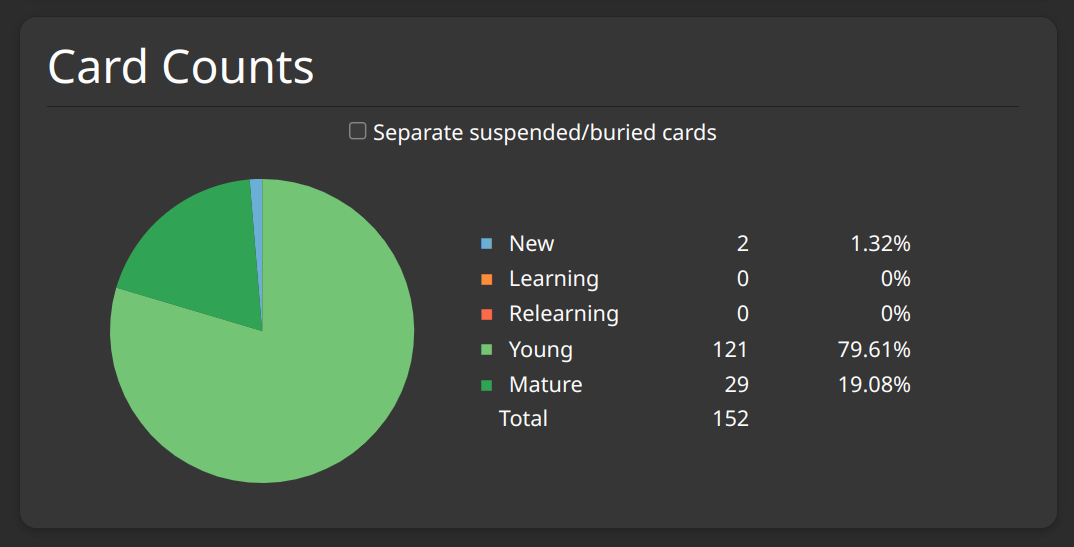
- Adding each word to Anki.
I want to start this tomorrow, and I want to add them in 4 days.
Second stage:
Learning to write every word.
- Continue Bunpro reviews for another 3-5 days.
- Continue recalling words from my A4 kanji list.
- Setting up Quizlet with all those words.
- Doing hiragana or sound → kanji writing till I know all the 150 writing really well, so I don’t have to think at all and just start writing as soon as I see the front of the card.
Doing it for 2-4 days. I’ll be using a timer, so I’ll just make sure to do this activity for the same number of hours I’ve spent adding those words in Bunpro.
Third stage:
Here, I’ll be adding 3 words for each root (kanji reading) I’ve learned so far to Anki.
I didn’t plan how I’ll be doing it yet, but it’s not a problem if I create it after I finish the second stage. It’s probably even better to think about the second stage after the first one is finished.
So yes, this way I break up my studying into small groups of activities where I can do with a good engagement and transfer all my progress from one activity to another so I can always do what I feel is the most profitable thing at the moment.
Everyday activity
For some reason, I cannot continue any new routine I come up with. I start something, do it for 2 or 3 weeks. During those 2 or 3 weeks, it becomes much harder to do that new routine/habit, it becomes weaker and weaker until it finally fades into non-existence.
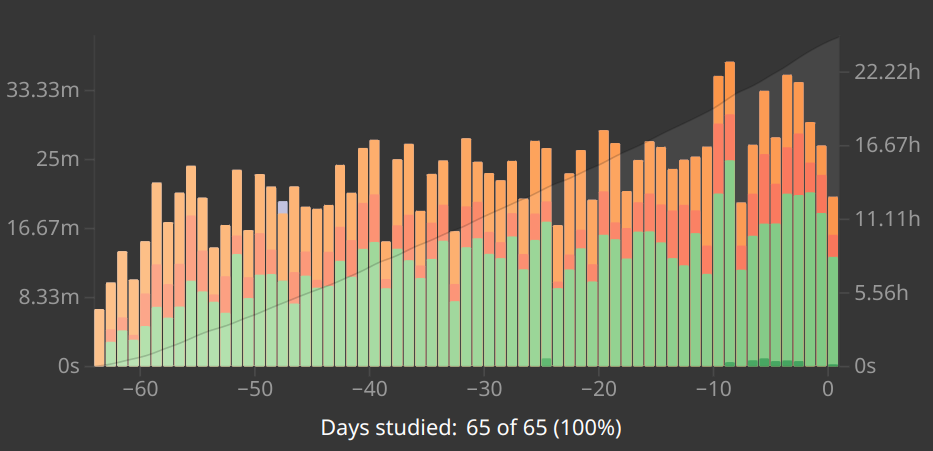
That didn’t bother me much in Japanese, because I feel like it’s just normal. If you do something similar every day, the brain will get bored, will start concentrating less, and won’t be able to use it’s 100%, which I want it to use. So I just switch activities when I feel like the one I’m doing right now is no longer the hardest, the most enjoyable, the most fresh, but already tiresome. By the way, that’s how I can study a substantial amount of hours every day without burning out. I would have died 18 times so far if I had just used Anki or any other way of studying without switching to another.
The problem is that I cannot sustain even a small habit, like doing 3 new French cards every day, or reading a passage in Italian, or again doing 3 kanji/day in Japanese. Same for music, sport, programming, etc.
I don’t know what causes me to give up everything I’m trying to do without being obsessed with it, but that’s exactly what I’ll be exploring here!
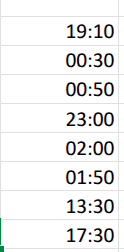
So what I’m going to do is take a piece of paper and draw a 3 months planer on it. Every day I’ll write the time of me doing this activity, so I can see when I start postponing this activity. Also, I’ll make a field to track how well I felt about/while doing it.
The activity itself is:
- Mining and adding 5 new Anki cards a day.
- The card must have 1 kanji that I’ve seen but don’t know, or one kanji that I regularly mistake for another kanji.
- Front is a sentence with a gap for the word, so I have to write the word on paper.
I’ll be posting how this experiment is going every Saturday, and hopefully, while struggling, I’ll start understanding why it’s so hard for me.
Also, it’s interesting that it’s not a problem with all habits. For example, within my domains at home, such as cooking, cleaning the kitchen, taking the rubbish out, and some other small stuff that really matters within the household, I’ve managed to develop really good habits that are really mine, and I do them without any stress or pain, because it’s just how things go. That is because if I don’t do those things properly, I make other people suffer, and I don’t really like other people to suffer. Probably my will to make people around me suffer less is bigger than the thing that holds me back from giving up on stuff.
Anyhow, I’ll see how it goes, and this time I’ll have a log to see how exactly it went wrong (if it goes wrong, of course)
The N1 test in December
As a new year resolution for this year, I decided that I’ll take the N1 test this December.
I don’t particularly feel like I have to study much Japanese, because I don’t feel like I have to pass it. I feel rather chill about it.
I’m writing about it because it will probably influence my behaviour somehow, and I might even start trying to get to that level. Let’s say it’s just one of the leitmotifs of this thread.
Fun stuff
Also, I finally turned back on Grammarly for writing this post, and I found out that my writing is much better than a year ago!
Grammarly corrects me, but clearly not as much as it used to.
Seeing that, I decided to pay attention to my English writing this time, not to obsess with it, but at least get some gains from writing these posts.
So what I’m doing is:
- Write the sentence till the end.
- Understand what the mistake is and correct it without looking it up.
- Notice and say what kind of mistake I’ve made, for example: “particle”, “preposition”, “punctuation” or “spelling”.
- Notice if I know the rule, and I just didn’t notice making the mistake, or if it’s something where I don’t know the rule.
So far, I’ve learned how to spell “purpose” 
Hopefully, this will help my English progress as well!
Closing part
That was quite a long post; I’ve been writing it for 3 hours so far, so thanks to everyone who has finished reading it!
I’ll be happy to host some interesting discussions here, so feel free to write anything!