
お〜する - Grammar Discussion

I think Brian’s reading is correct.

これを彼にお渡ししてください

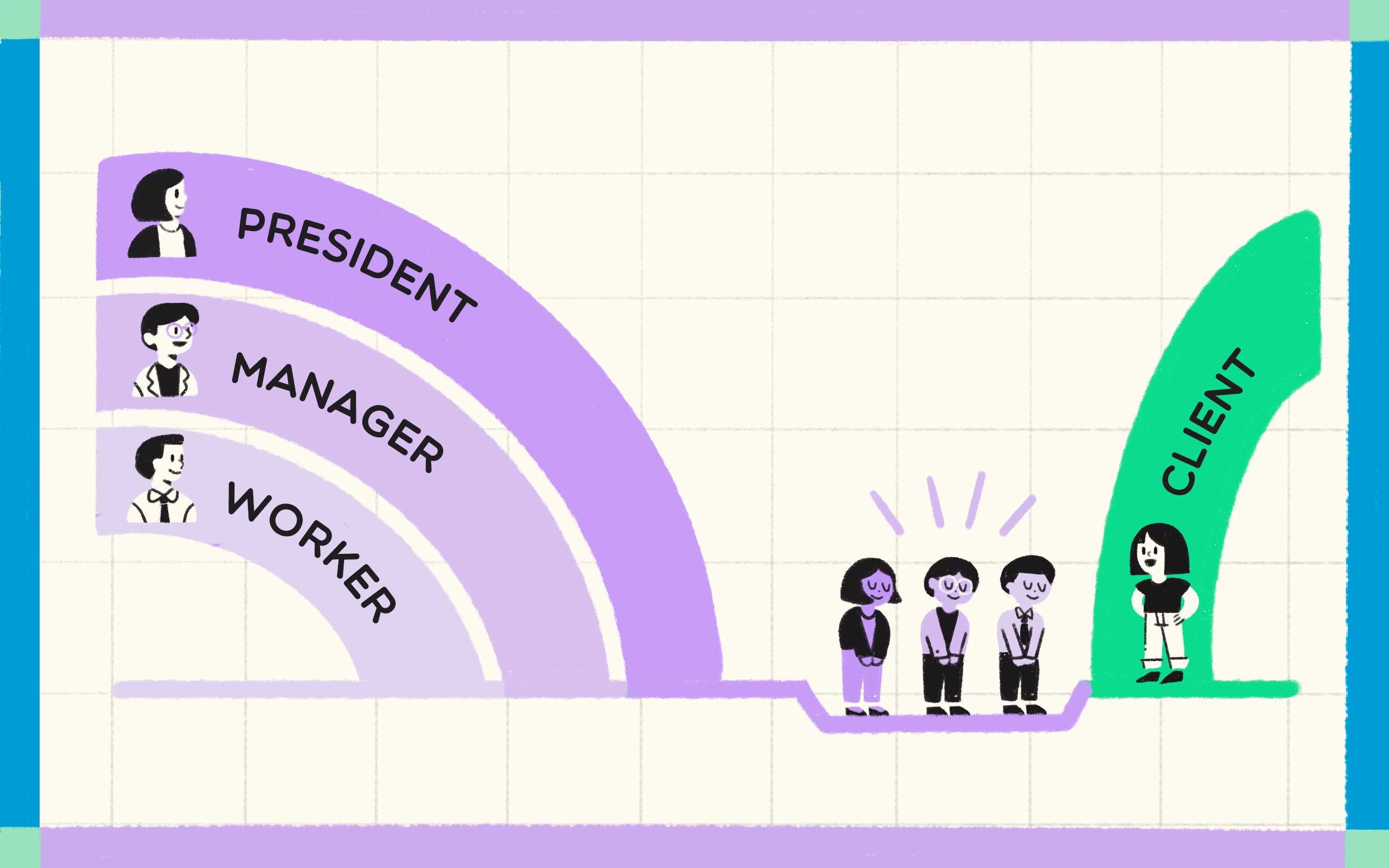
in this situation お~する indicates that 彼 is honored, and the listener is comparatively humbled. ください indicates speaker’s politeness to listener. For example, the speaker and the listener are colleagues in the same company, and 彼 is their customer.

彼 > listener >= speaker

With お~になる, in principle it would be the other way around, the listener is honored, and both speaker and 彼 are comparatively humbled.

listener > 彼 ≈ speaker
In other words…?

Also, I’d like to mention I have the same question as Brian and several others about using お〜する when referring to other people. Seems to contradict what the grammar page said: it’s to be used for the speaker’s actions.

Hopefully Bunpro is working on a more long-form explanation of keigo, uchi, soto and business-customer relationships to supplement these short stubs.
Perhaps using the report/feedback function on the sentence in question can bring more priority to it.

It’s not so much speaker’s actions vs listener’s actions, as speaker’s in-group vs the party being respected.
In a lot of cases the party being respected is the listener, so the simplified rule works.
In a context where a 3rd party is being respected, not the listener, and the listener is in the speaker’s circle, the simple rule “used for speaker’s/listener’s actions” no longer holds true.

A little illustration from Tofugu: