We are back after a long break!
We would like to invite you to the 2nd edition of the Race through Japanese history.
This race spans from 1051, when Minamoto clan started it’s rise to power, we go through the entire Kamakura, Muromachi and Edo periods (named after the city now known as Tokyo), to conclude on January 3, 1868.
On that date, Emperor Meiji stripped Shogun Tokugawa Yoshinobu of all his power and declared the restoration of imperial rule, an event that launched the Meiji Restoration and Japan’s rapid modernization.

Edo (now Tokyo)
Panorama of Edo (now Tokyo) showing daimyo residences, Japan’’, by Felice Beato, 1865 or 1866.
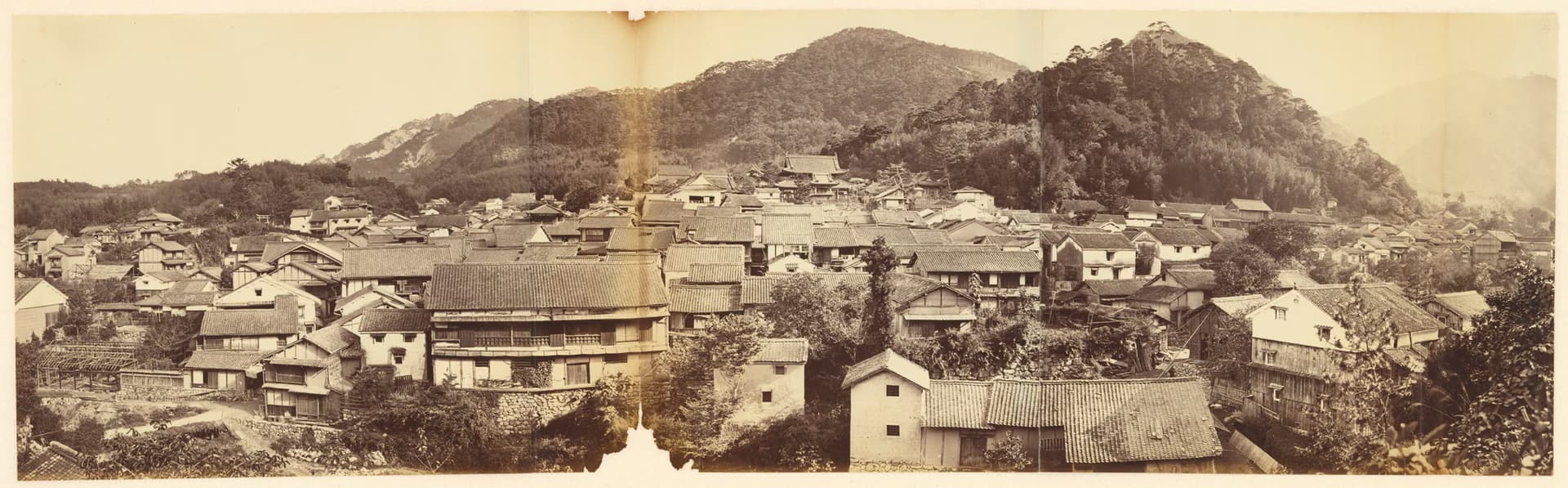
Osaka
Panorama of Osaka showing ordinary homes and architecture, by Antoon Bauduin, 1865.
 How it works:
- This is a Bunpro Community activity where any user can participate
- We “walk” towards a certain goal – in this case, we walk through Japanese History!
- Steps are taken by studying Japanese – activities like Reviewing on Bunpro, and a few other things (see below) – counts toward the collective pool
Every participant will receive an unique badge!
🗾 The Timeline:
HEIAN PERIOD (794–1185) – The Rise of the Samurai
-
1051–1062 The Former Nine Years’ War (前九年の役). Minamoto no Yoriyoshi and his son Yoshiie spend over a decade subduing the powerful Abe clan in the far northeast. The campaign makes the Minamoto the most respected warrior house in the east and plants the seed of samurai power. (Our race begins here.)
-
1086 Emperor Shirakawa abdicates but keeps ruling as a cloistered emperor, beginning the Insei - cloistered rule (院政) system and weakening the Fujiwara regents who had dominated the court for centuries.
-
1156 The Hōgen Rebellion (保元の乱). A succession quarrel is settled on the battlefield by samurai rather than courtiers – often marked as the true beginning of the age of the samurai class (and the weakening of Japanese court aristocracy - Kuge).
-
1159–1160 The Heiji Rebellion (平治の乱). Taira no Kiyomori crushes his Minamoto rivals and seizes control of the imperial court.
-
1167 Taira no Kiyomori becomes Chancellor (Daijō Daijin) – the first samurai to rule the country from the highest office of the court.
-
1180–1185 The Genpei War (源平合戦). The Taira and Minamoto clans (both related to the imperial family) wage all-out war for control of Japan, immortalized in The Tale of the Heike.
-
1185 The Battle of Dan-no-ura (壇ノ浦の戦い). The Minamoto destroy the Taira fleet and the child-emperor Antoku drowns and imperial regalia – The Kusanagi sword – is lost. Minamoto no Yoritomo wins the right to appoint military governors (shugo) and stewards (jitō) across Japan - the foundation of the first warrior government.
KAMAKURA PERIOD (1185–1333) – Japan’s First Shogunate
-
1192 Minamoto no Yoritomo is named Sei-i Taishōgun - Commander-in-Chief of the Expeditionary Force Against the Barbarians (征夷大将軍) – the first shōgun of the Kamakura shogunate. The first Shōgunate (yes, there were more than one!).
-
1203 The Hōjō clan takes the office of shikken (執権, regent) and becomes the real power behind the shogunate for the next 130 years.
-
1221 The Jōkyū War (承久の乱). Retired Emperor Go-Toba tries to overthrow the shogunate so that court and Japanese aristocracy (Kuge) could regain power and influence (and for samurai to lose their privileges) , but fails – samurai rule over the court is now beyond doubt.
-
27 August 1232 The Goseibai Shikimoku (御成敗式目) is issued – the first law code written by samurai, for samurai.
-
1274 & 1281 The Mongol Invasions of Japan (元寇). Kublai Khan’s enormous fleets attack twice and are repelled both times – the second largely scattered by a typhoon remembered as the kamikaze, the now famous “divine wind.”
-
1333 Nitta Yoshisada, the head of Nitta clan storms Kamakura and the Kamakura shogunate falls.
KENMU RESTORATION & THE NORTHERN-SOUTHERN COURTS (1333–1392)
-
1333–1336 Emperor Go-Daigo’s Kenmu Restoration (建武の新政) briefly returns real power to the throne.
-
1336 Ashikaga Takauji turns on Go-Daigo and installs a rival emperor, beginning the Nanboku-chō (南北朝) 56 years long era of two competing imperial courts (The Northern court eventually wins, and southern court renounces their claim, though hundreds of years later in 1911 emperor Meiji issues an edict that Southern Court were legitimate claimants during that time)
MUROMACHI PERIOD (1336–1573) – The Ashikaga Shogunate
-
1338 Ashikaga Takauji is named shōgun, founding the Muromachi shogunate.
-
1392 The Northern and Southern Courts are reunited under shōgun Ashikaga Yoshimitsu.
-
1397 Yoshimitsu builds Kinkaku-ji (金閣寺), the Golden Pavilion – the peak of elegant Kitayama culture.
-
1467–1477 The Ōnin War (応仁の乱). A dispute between high official and regional lord escalates to a civil war that wrecks Kyoto and shatters the shogunate’s authority, opening the Sengoku period (the Warring States period) (“Warring States”) - a century of civil war.
-
1543 Portuguese traders are shipwrecked at Tanegashima and introduce the matchlock musket to Japanese, which is then copied and mass produced - (火縄銃), and transforms Japanese warfare.
-
1549 The Jesuit missionary Francis Xavier lands at Kagoshima, bringing Christianity to Japan.
UNIFICATION & THE EDO PERIOD (1568–1868)
-
1568 Oda Nobunaga enters Kyoto, which started a long process of the unification of Japan and end of Sengoku
-
1582 Nobunaga is betrayed and murdered by Akechi Mitsuhide in the Honnō-ji Incident and is succeeded by Toyotomi Hideyoshi. The reasons of the rebellion are still not well understood.
-
1588 Hideyoshi confiscates the weapons of farmers and religious institutions in the “Sword Hunt”.
-
1590 Toyotomi Hideyoshi has prevailed over the Late Hōjō clan in the siege of Odawara in the Kantō region, completing the re-unification of Japan.
-
1592-98 The (failed) Invasion of Korea.
-
1598 Death of Hideyoshi.
-
1600 The Battle of Sekigahara is won by forces of Tokugawa Ieyasu.
-
1603 The Edo period starts after Tokugawa Ieyasu receives the title of shōgun from Emperor Go-Yōzei.
-
1615 The siege of Osaka is complete with the Battle of Tennōji: Tokugawa Ieyasu ended Toyotomi clan opposition.
-
1635 The Sakoku Edict of 1635 was issued by the Tokugawa Shogunate. This started 200 years-long periods of isolation and barred the Japanese from leaving Japan and also barred Europeans from entering, on pain of death. The trade was strictly regulated, allowing Europeans, Chinese, and Koreans to trade only in specially designated places like Dejima
-
1688-1703 Genroku era: popular culture flourishes.
-
1703 Forty-seven ronin were ordered to commit seppuku by the shōgun.
-
1712 The Wakan Sansai Zue, the first Japanese encyclopaedia, was published.
-
1720 The foreign books restrictions are reduced, starting a Rangaku - “Dutch learning” practice.
-
1853 Matthew C. Perry arrives off the coast of Japan in four ships. Perry orders harbor buildings to be shelled to force negotiations for a letter President Millard Fillmore sent to the ruler of Japan. This incident was coined as the “Arrival of the Black Ships” in Japanese history.
-
1854 Matthew C. Perry signs the Convention of Kanagawa. Within five years, Japan signs similar treaties with other western countries, thus ending an isolation period of more than 200 years known as sakoku (鎖国), whereby the Dutch and Chinese ships had limited trade exclusivity.
-
1860 The Japanese ship Kanrin Maru arrives in San Francisco with the delegation, marking the first official visit to a foreign state following the end of its 214-year isolationist policy, demonstrating the degree to which Japan had mastered Western navigation techniques and ship technologies in the 6 years since opening its borders.
-
1867 Emperor Kōmei died at the age of 35. It’s generally believed due to the smallpox epidemic. This marked the end of the Edo period and the beginning of Meiji Period as Emperor Meiji ascended the Chrysanthemum throne.
-
1868-1869 The Boshin War was fought between forces of the ruling Tokugawa shogunate and those seeking to return political power to the Imperial Court.
-
1868 The Meiji Restoration restored practical abilities and the political system under Emperor Meiji. This ended the Tokugawa Shogunate and started the rapid modernization of Japan.
 Measurements & Calculations
- In total, 817 years, 2 days, or simply 298,405 days.
- Each Bunpro Review is worth 1 day this time, so we need a total of 298,405 Reviews.
- Other sources are worth the following:
- One page of a Manga = 1 day
- One page of a light novel/book and similar = 5 days
- Any short article like Reading Practice on Bunpro or NHK News Easy = 2 days
- Watching Japanese shows in Japanese (can be with Japanese subs) = 1 day per minute
- Watching Japanese shows in Japanese but with English subs, while doing ones best to listen = 1 day per 3 minutes
 Submitting your Steps
Reply to the last post in this thread with the following:
Current Count + Your Reviews = The New Current Count
Optional, if posting reviews from more than once a day
Current Count + Your Reviews (Day 1) + Your Reviews (Day 1, second group) = The New Current Count
This is a community effort!
So your number should always be added on to the person’s who posted before you. For example -
12,020 (community total) + 26 (your Reviews today) + 15 (3 light novel pages) = 12,031
If someone made a mistake, you can fix it, let’s assume someone wrote: 10,000 but should have been 12,005:
12005 (fixed) + 20 (4 light novel pages) = 12025
We are starting today, so do not add steps done yesterday!

Also, feel free to share your favorite events in Japanese history when posting 
Ready?



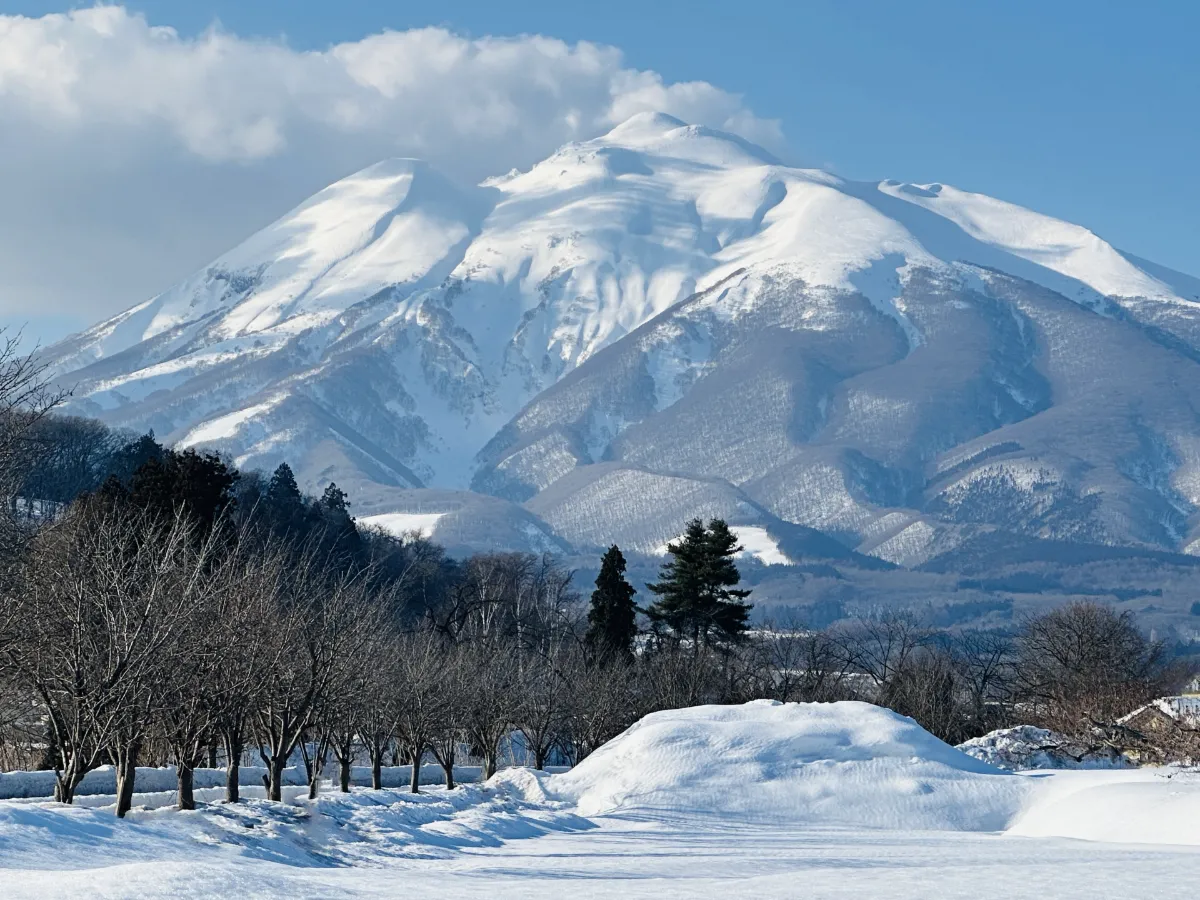

 16,000 years ago – Japan’s oldest pottery (大平山元I遺跡 | おおだいやまもと いち いせき)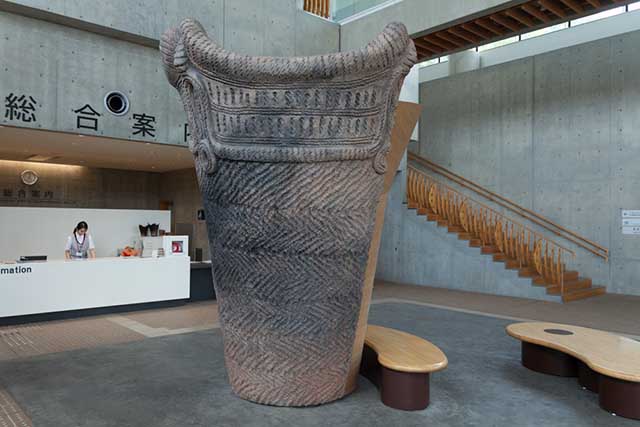
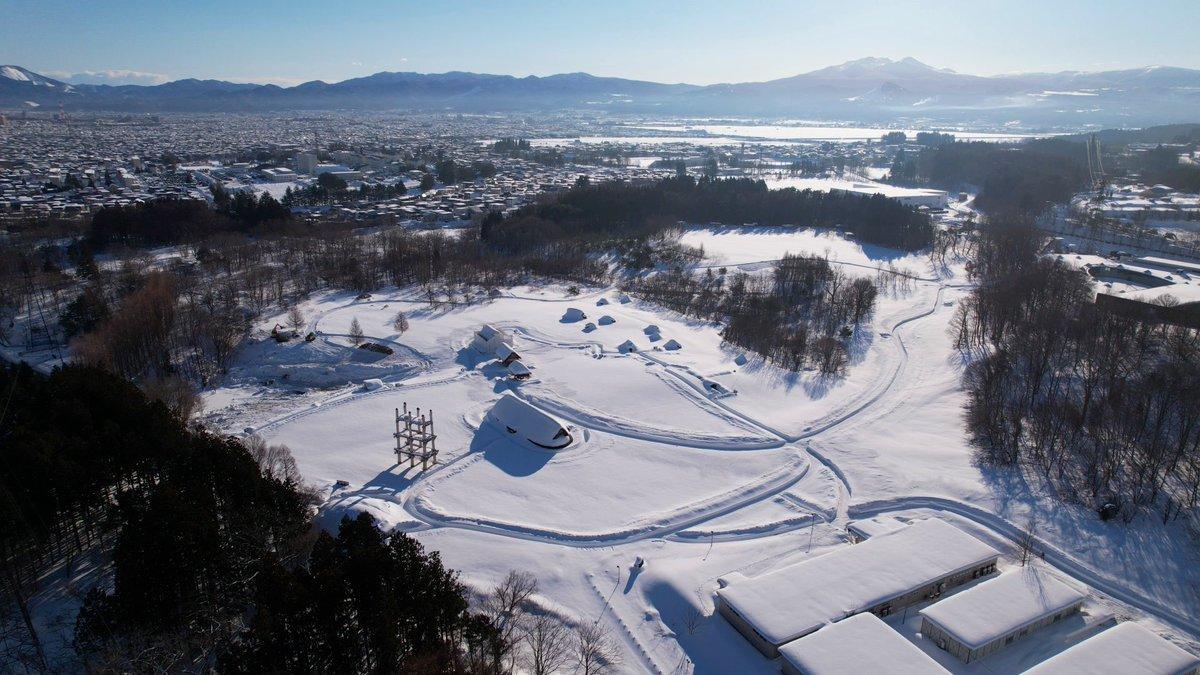
 Sannai-Maruyama (Jōmon settlement) (三内丸山遺跡 | さんないまるやま いせき)
 Tsugaru vs. Nanbu (津軽氏 vs. 南部氏)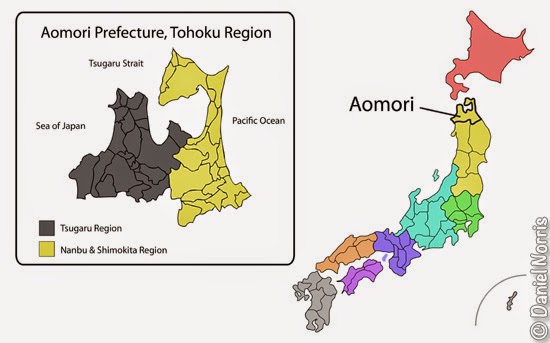
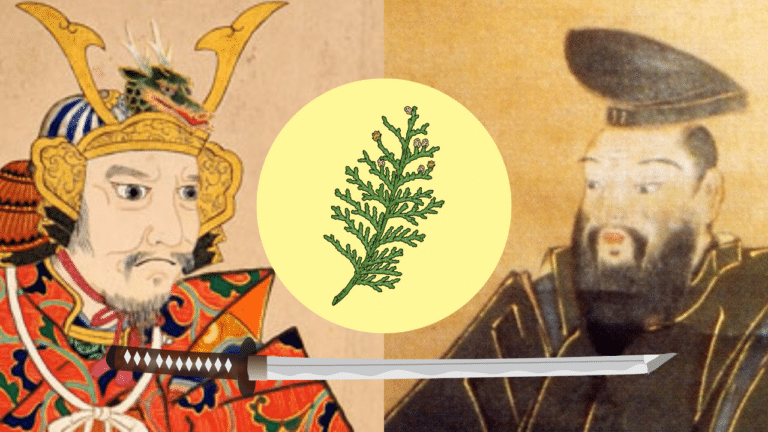
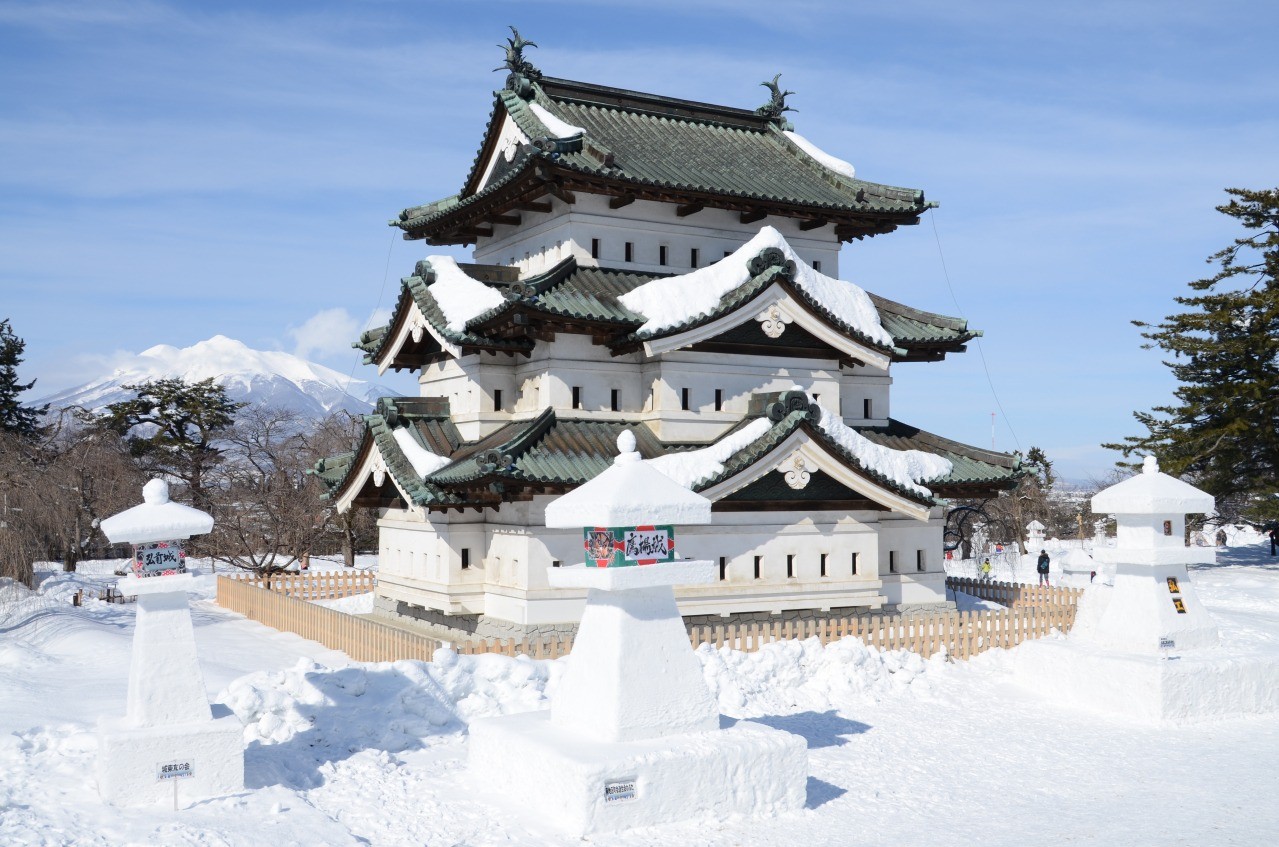
 Hirosaki Castle (弘前城 | ひろさきじょう)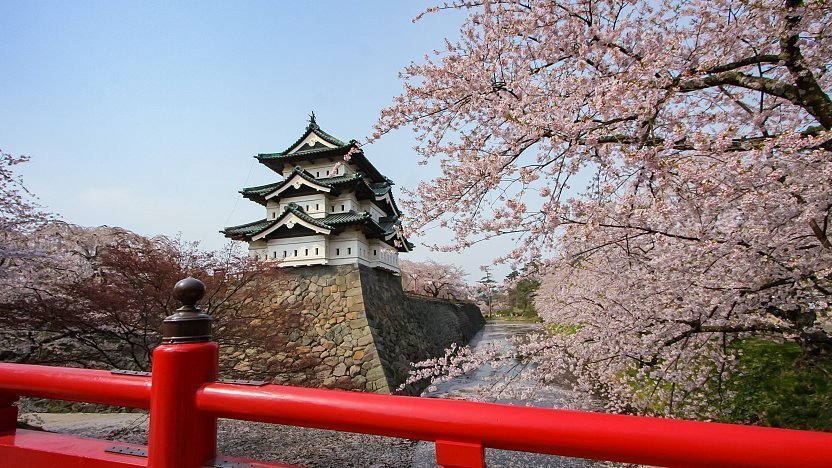
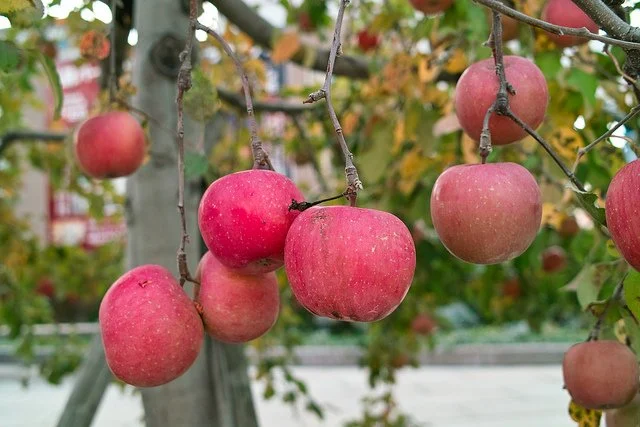
 Apples arrive in Aomori (青森りんご | あおもりりんご)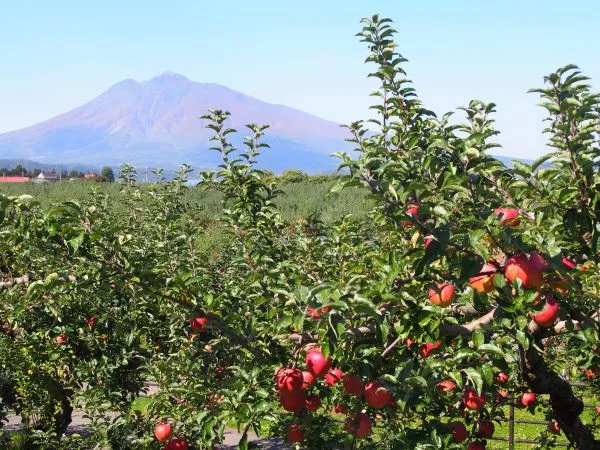
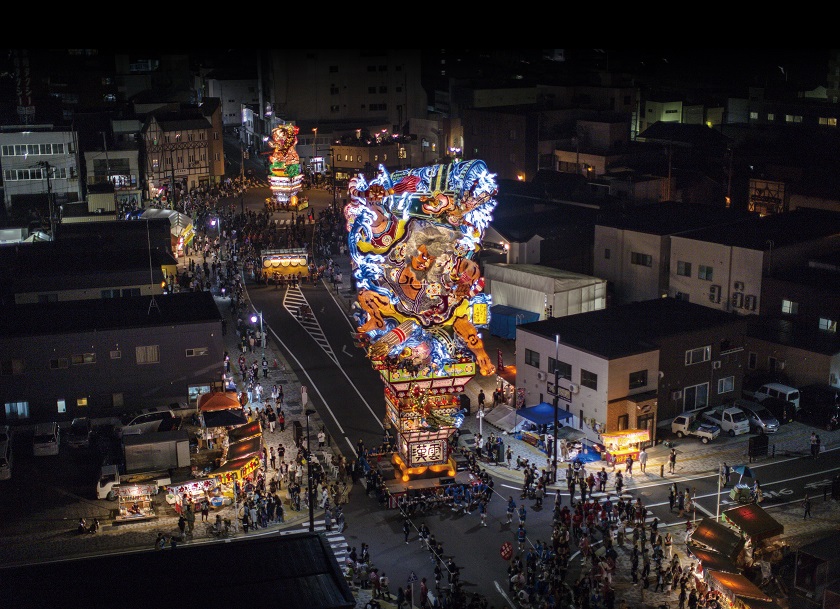
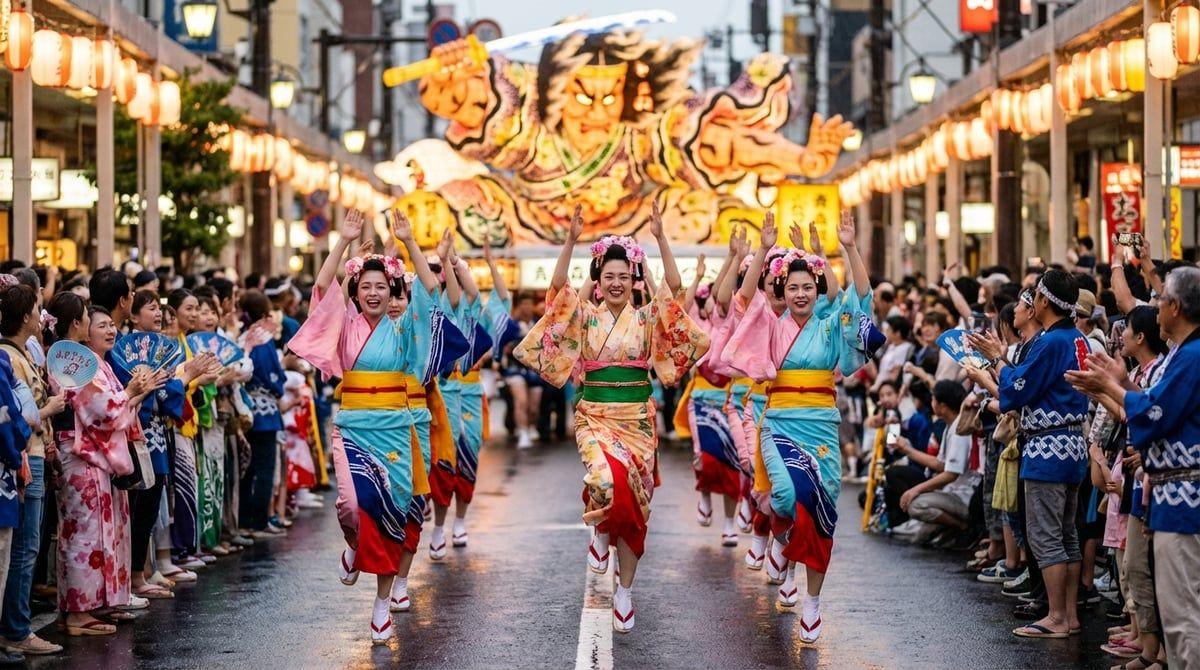
 Nebuta (Neputa) World Famous Festival (Edo-period origins) (青森ねぶた祭 | あおもりねぶたまつり)