やめるんだバイキンマン!
(sorry)

やめるんだバイキンマン!
(sorry)
And here’s another bunch of grammar points from me.
Yeah, no matter how much you add there’s still plenty left 
PS - first post is also updated.
TIL I’m no one 
I take it we’re not talking about the sentence final ぞ. Where do you see this?
Likewise, never seen this before.
That’s not ぞう though
強 and 弱 can be used to say just over or just under a given number, so 100弱 is “just under 100”. It can be used for times as well like “just under an hour” - “1時間弱”
行くぞ~!
A grammar point I ran into the other day which I couldn’t find here is using the continuative form of a verb followed by a 、.
Edit: Here’s a page on imabi that explains it. https://www.imabi.net/renyouchuushikei.htm
I found a sentence-ending ぞう but I don’t think it’s useful enough for bunpro:
ぞう・ざう
〘連語〙 (「…に候」の意の「にそう」の変化したもの。一説に、助動詞とも) …でございます。…です。
*謡曲・自然居士(1423頃)
「その舟漕ぐ櫂のことざうよ」
*浄瑠璃・源頼家源実朝鎌倉三代記(1781)六
「御成りぞふと呼はって、襖披かせ立ち出る御大将時政公」
Interesting! Definitely not what the OP of this point meant though surely. This piece of grammar doesn’t even appear on eow.alc.co.jp which firmly makes me think it is obsolete.
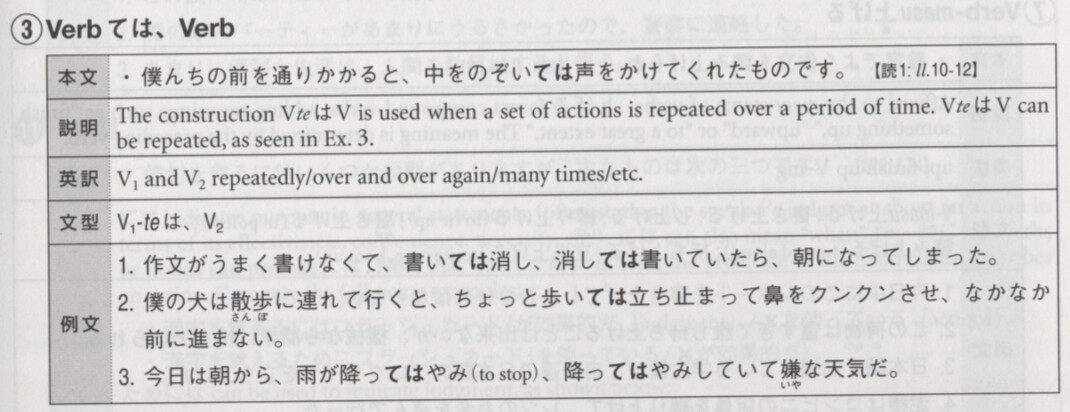
I am missing the ては from Tobira:
The ては that is currently listed in the Tobira grammar path is a completely different grammar point.
@Melanthe
Hey 
This grammar point is already on bunpro:
We will replace the wrong lesson in the tobira path 
Cheers!
@mrnoone hey, sorry to ping you, but I just wanted to ask if what I’m posting here is useful to you guys
I spend quite some time specifically compiling that list of grammar points, so I just want to know if it makes any sense for me to continue with it or not.
I.e. is this useful to you in any way, or are you not planning to use points from this list anyway and will only limit yourself to the grammar points present in formal textbooks?
Thanks! Perhaps related to the search bug that I couldn’t find it, hehe
Two entries from Tobira ch. 13 that are not on Bunpro. Not sure I’d class them as grammar in the first place, but I thought I’d mention them anyway:
And here are some missing grammar points from ch. 14:
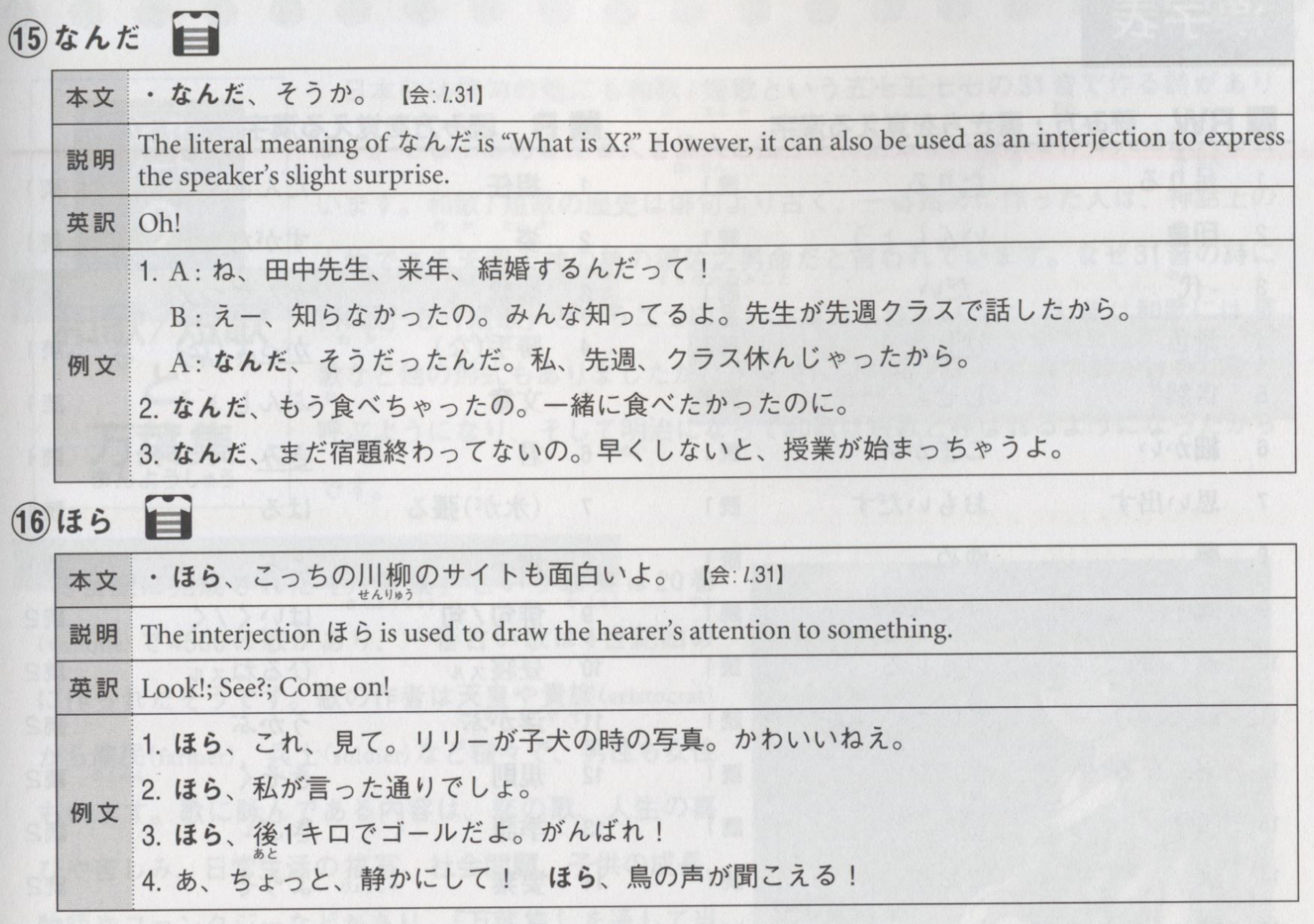
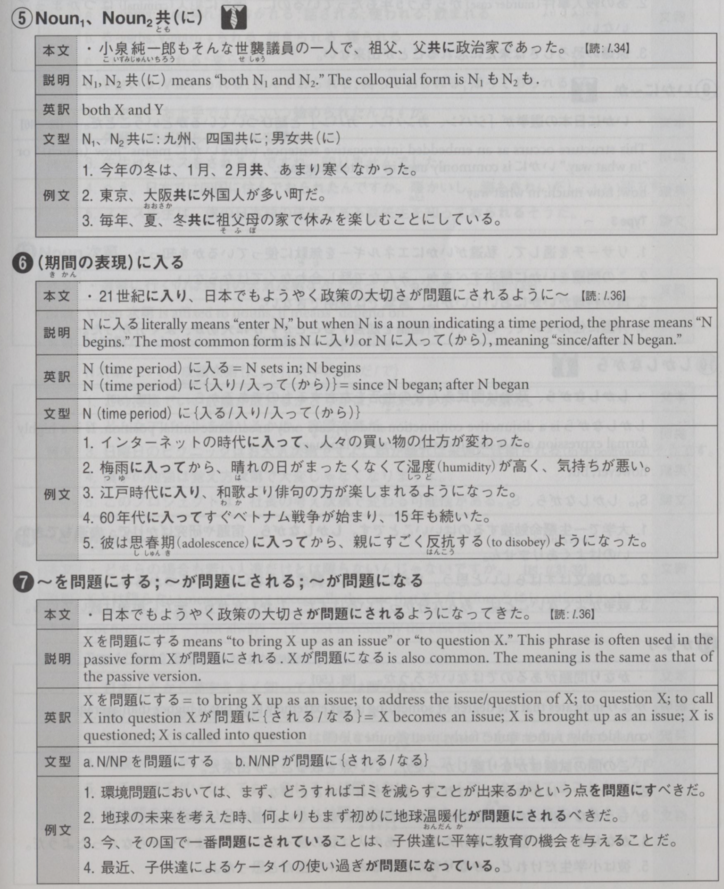
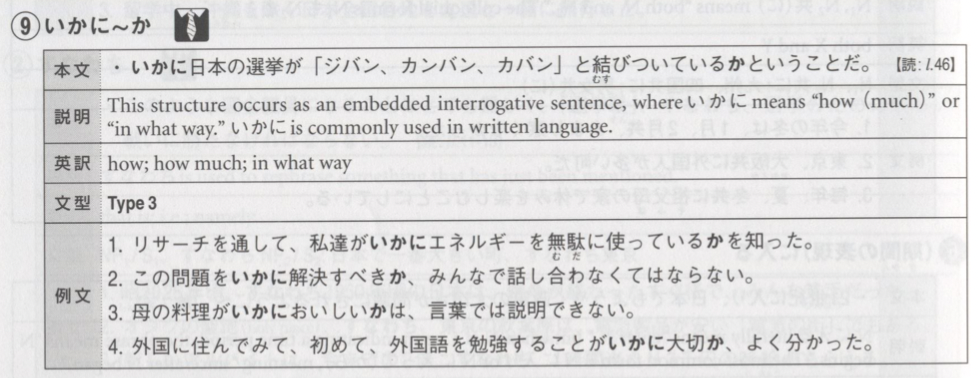
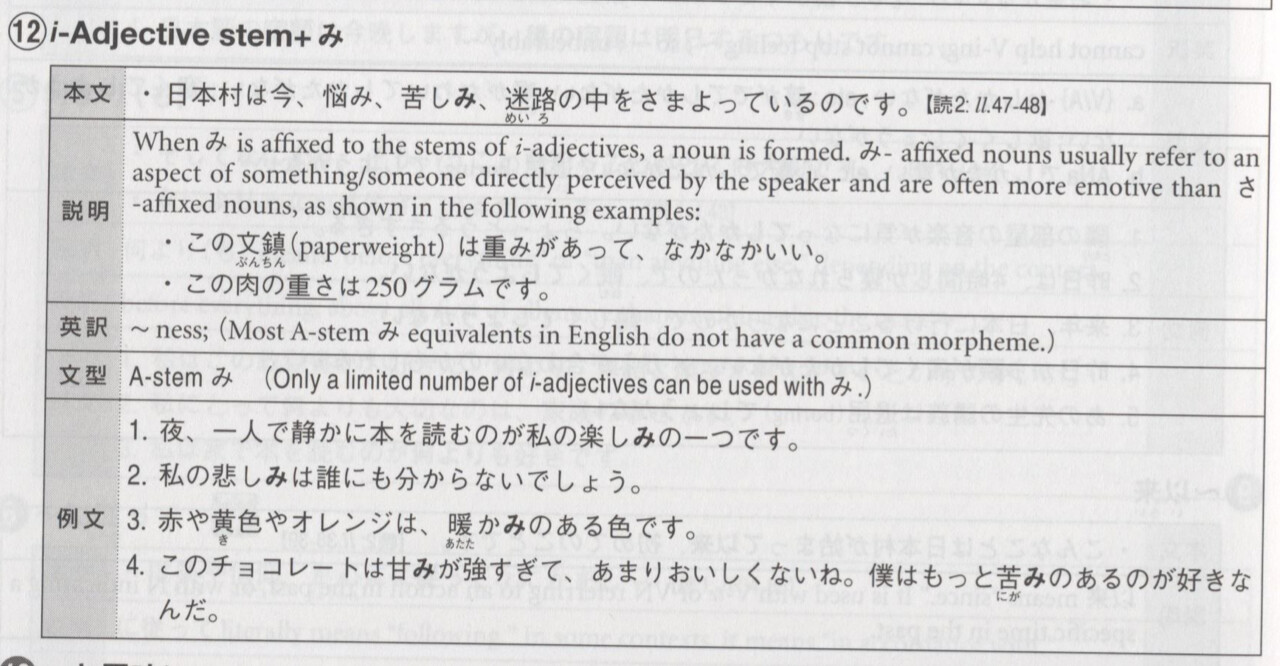
And here is chapter 15.
This one corresponds somewhat, but is not listed in the Tobira path.
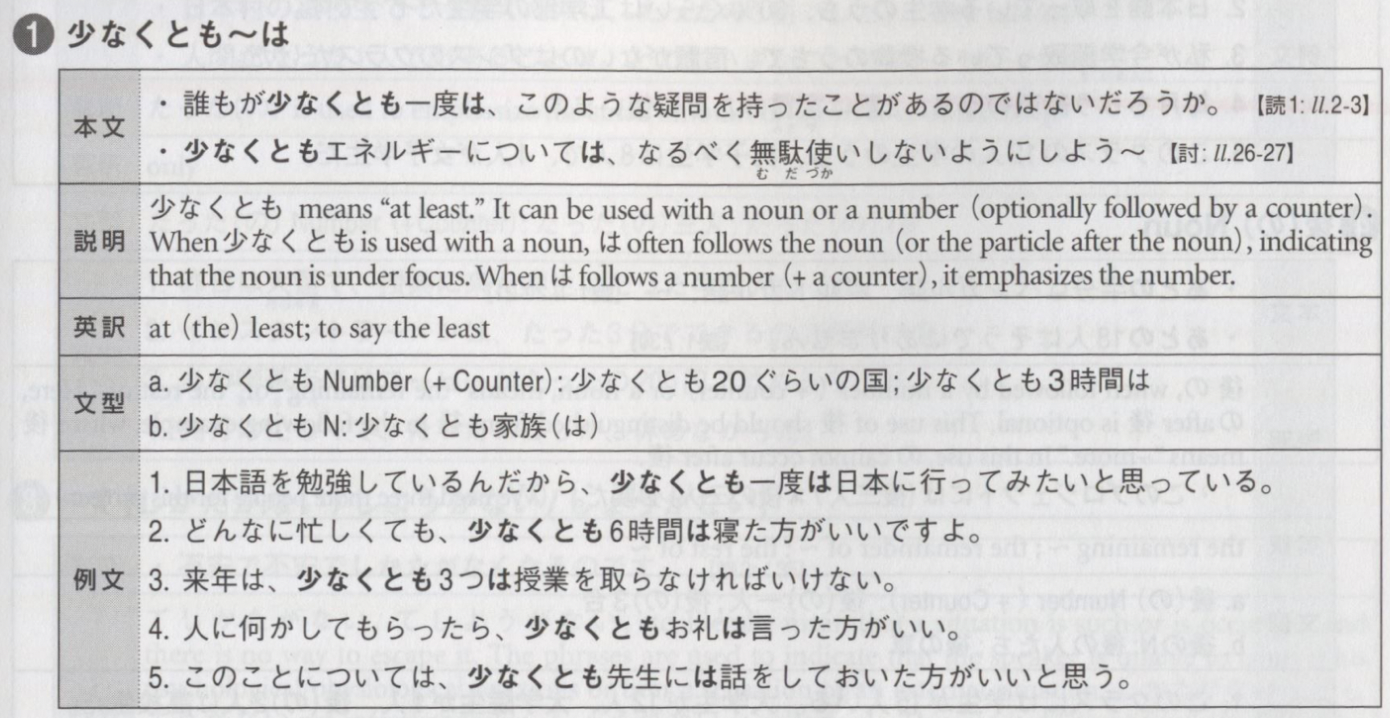
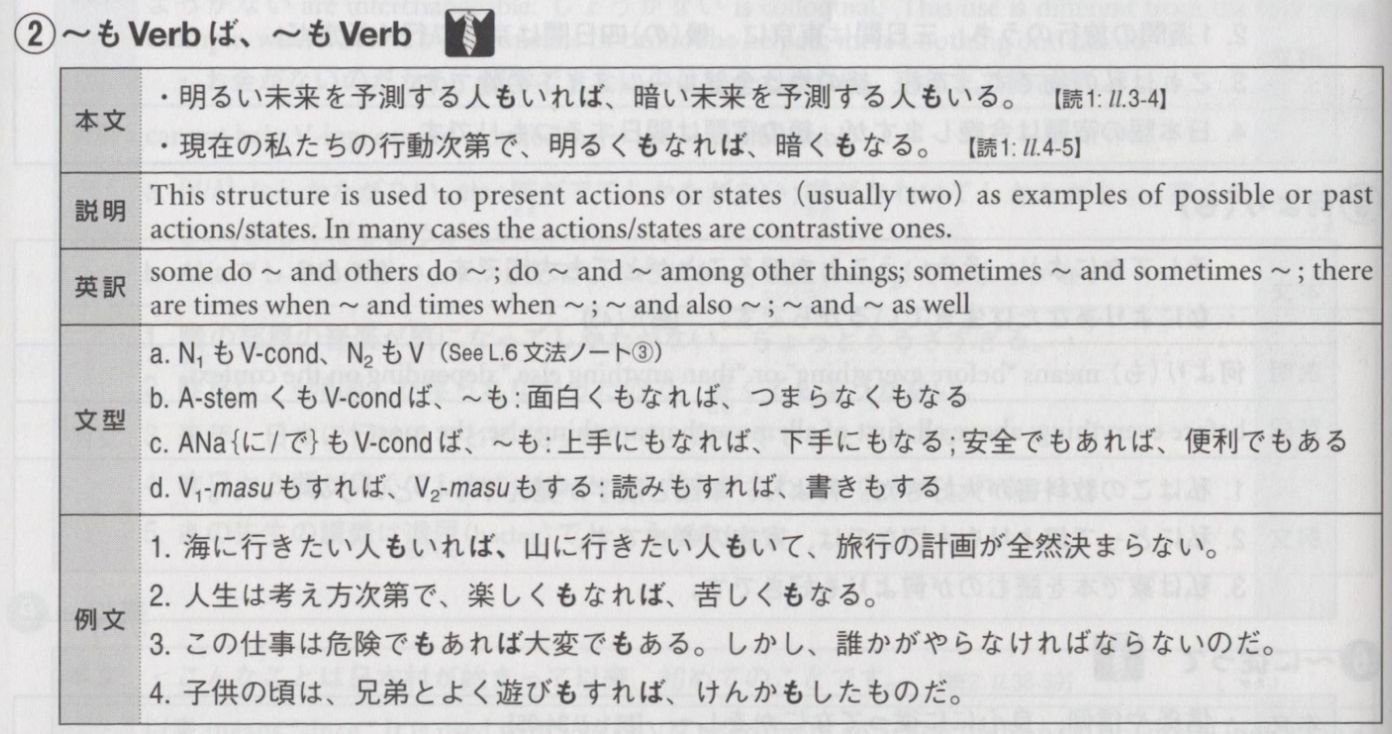
This one has a grammar point associated with it, but it’s not in ch. 15 of the Tobira path (though it is in 6, for some reason it’s in Tobira twice). It’s also slightly lacking, as it only mentions the ‘both… and…’ meaning, not the ‘some… others…’ meaning.
I noticed the てしかたがない and て以来 grammar points are the wrong way round in the Tobira path. てしかたがない comes first in the book.
I also believe this grammar point is missing:
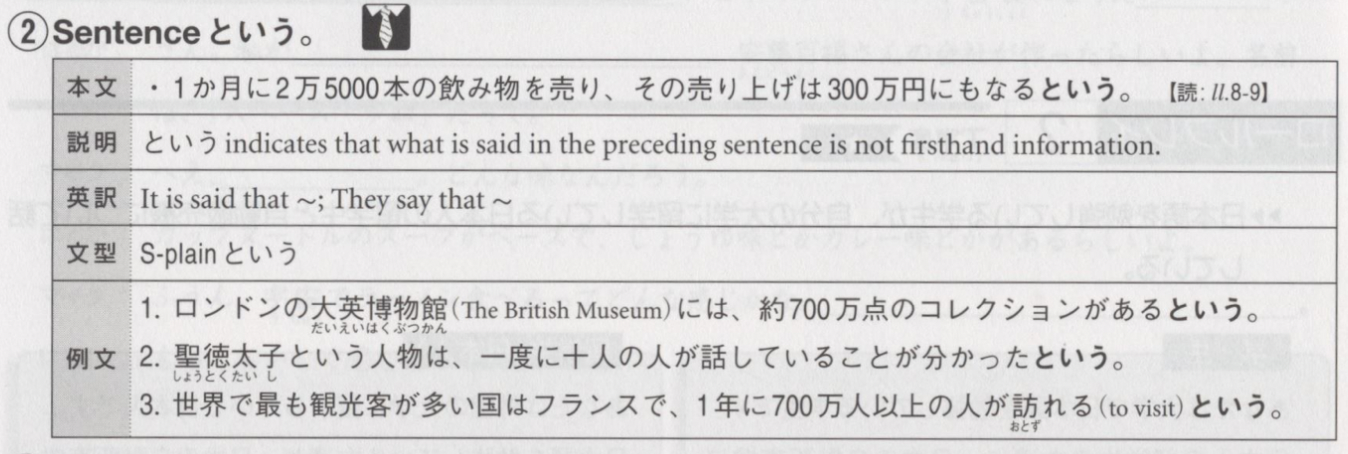
In chapter 10, there is this usage of という:
But in the Tobira path, there is just the normal ‘quoting something’ という. None of the example sentences show this particular ‘hearsay’ usage of it where it is at the very end of the sentence.
We have 〜てほしい, but not 〜てもらいたい and 〜ていただきたい. There is a note about 〜てもらいたい on the 〜てほしい page, but I’d love separate grammar points for those, so that we can practise with those sentences (otherwise I’ll just end up forgetting  ).
).
Shin Kanzen Master N3 Bunpou also lists 〜(さ)せてもらいたい, 〜(さ)せていただきたい and 〜(さ)せてほしい (p. 44). One could argue that they are superfluous and easy to figure out if one already knows 〜てほしい, 〜てもらいたい and 〜ていただきたい. Here too, though, I would argue that the more practice the better!
I came across an expression ending with “かよ.” The sentence was お前かよ。(It was translated as “Seriously, you too?”.) I couldn’t find this grammar point in bunpro, but the search bar doesn’t always work properly for me. I found an explanation here and here, but it would be nice to have it in bunpro. 
Any news on this?